Unlocking Africa’s Climate Action: A Strategic Framework for Investment and Economic Transformation
Africa’s climate ambition risks becoming a fiscal liability without green strategies that unlock private capital, as policymakers prioritize wish lists over investable projects, according to modern Project Syndicate analysis warning that fragmented planning undermines economic transformation and deters institutional funding across the continent’s emerging markets.
Climate Finance Meets Capital Allocation
The disconnect between Africa’s nationally determined contributions (NDCs) and bankable project pipelines is widening, with the African Development Bank estimating a $2.8 trillion financing gap through 2030 for climate adaptation and mitigation alone. Yet only 14% of pledged international climate finance reached sub-Saharan Africa in 2023, per OECD data, as projects lack standardized metrics, clear revenue streams, or sovereign guarantees that institutional investors require. This isn’t merely an environmental shortfall—it’s a structural failure in capital markets where green bonds, blended finance vehicles, and results-based funding remain underutilized due to weak project preparation capacity.
Take Kenya’s geothermal expansion: even as the Olkaria complex now supplies 40% of national electricity, scaling similar projects stalls given that environmental impact assessments take 18–24 months on average, deterring developers facing 8–10% hurdle rates. Similarly, Nigeria’s solar mini-grid potential—projected at 10 GW by 2030—remains hampered by fragmented permitting across 36 states, creating regulatory arbitrage that increases soft costs by 25–35%, according to Wood Mackenzie. These bottlenecks directly compress EBITDA margins for infrastructure developers, turning theoretically attractive 12–15% IRR projects into sub-8% ventures once delays and cost overruns are modeled.

“African climate finance isn’t about more aid—it’s about designing projects that clear the investment committee hurdle at BlackRock or TPG. That means standardizing PPAs, de-risking currency exposure, and building pipelines that speak the language of IRR and DSCR.”
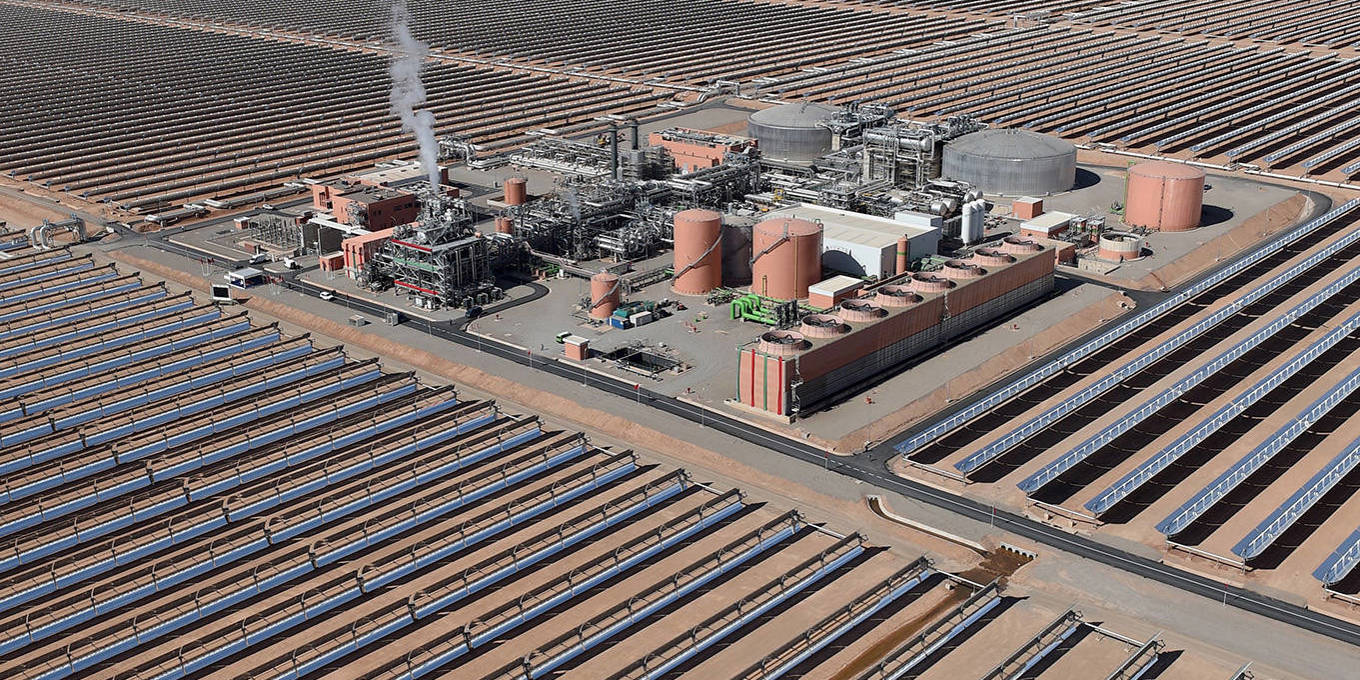
The solution lies in treating climate targets as industrial policy. Morocco’s Noor Ouarzazate solar complex offers a template: by bundling land rights, grid upgrades, and offtake agreements under a single SPV backed by a sovereign guarantee, it attracted $3.2 billion in financing at 4.5% all-in costs. Scaling this model requires specialized intermediaries—project development firms that bundle EPC contracts with hedging facilities, and legal advisors who structure cross-border power purchase agreements under ISDA frameworks. Without such platforms, even well-intentioned NDCs remain unactionable spreadsheets.
The B2B Infrastructure Gap
Here’s where directory-vetted providers become critical: transaction advisors who can convert INDCs into bankable project pipelines, ESG verification agents who certify additionality under Article 6 of the Paris Agreement, and fintech platforms that tokenize carbon credits to unlock retail capital. For instance, a single utility-scale solar project in Zambia might require coordination between a South African law firm specializing in bilateral investment treaties, a German engineering consortium providing turnkey EPC with performance bonds, and a Kenyan fintech startup offering pay-as-you-go metering—all coordinated through a development finance institution’s pipeline facility.
Consider the metrics: projects using standardized preparation frameworks like the World Bank’s Scaling Solar achieve financial close 40% faster with 15–20% lower financing costs than bespoke initiatives. Yet only 12 African nations have adopted such tools continent-wide, per AfDB tracking. This creates a clear arbitrage: B2B firms offering modular project preparation—think legal due diligence packs, financial modeling templates, or stakeholder engagement protocols—can capture first-mover advantages in markets like the DRC or Sudan where climate finance is nascent but demand is urgent.
“The real bottleneck isn’t capital availability—it’s project readiness. We’ve seen $500 million in committed green funds sit idle in Nairobi because no projects met basic investment committee criteria on leverage ratios or cash flow waterfalls.”
Looking ahead to Q3 2026, watch for two triggers: the rollout of the African Continental Free Trade Area’s green corridor initiative, which could harmonize standards across 54 nations, and the potential reform of the Clean Development Mechanism under Article 6.4, which may finally create a fungible carbon credit market. Until then, the firms that thrive will be those speaking both the language of climate science and hard financial metrics—turning NDCs from aspirational documents into balance sheet assets.
For corporations navigating this transition, the World Today News Directory connects you with vetted B2B partners who specialize in climate-resilient infrastructure financing, regulatory arbitrage mitigation, and green project preparation—ensuring your climate strategy doesn’t just meet targets, but generates alpha.