Universal Epic Universe: Bodycam Footage Released in Roller Coaster Death
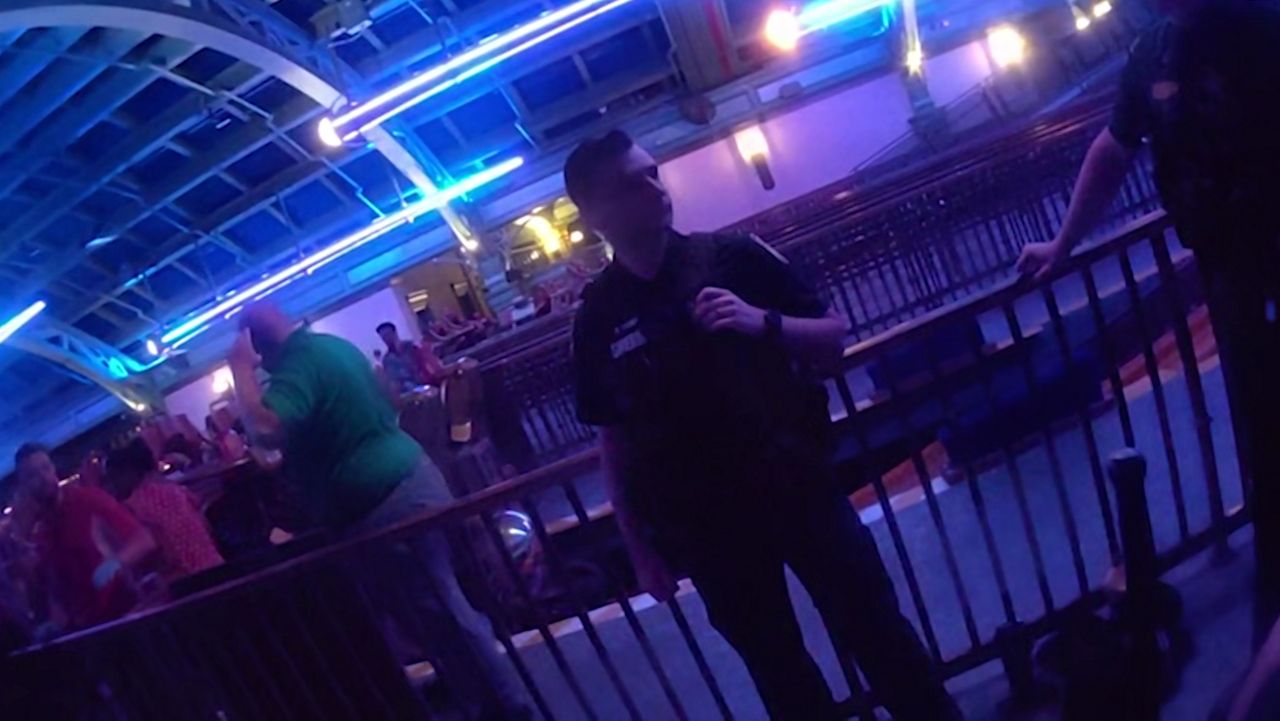
The Orange County Sheriff’s Office unveiled body camera footage detailing the fatal Stardust Racers incident at Universal’s Epic Universe. Kevin Zavala died from blunt impact injuries in September 2025. A confidential settlement now closes the legal chapter, shifting focus to brand resilience and crisis management protocols within the theme park sector.
When a flagship attraction becomes the center of a wrongful death investigation, the stakes extend far beyond the courtroom. Universal Orlando Resort is navigating the aftermath of a tragedy that struck during the critical launch window of Epic Universe, a project representing billions in capital expenditure. The release of deputy body camera footage in March 2026 offers a grim glimpse into the operational chaos that ensued, revealing a disconnect between initial emergency assessments and the physical reality of the injuries sustained. This dissonance creates a complex liability landscape where public perception often outpaces forensic evidence.
The Discrepancy Between Protocol and Reality
The footage captures the immediate confusion on the ride platform. Deputies arrived expecting a medical episode, only to confront a trauma scene. An employee noted the call escalated from a request for a bandage to a massive cardiac event, yet the autopsy later confirmed multiple blunt impact injuries. This gap between initial reporting and final medical determination is where reputational damage festers. In the high-stakes environment of theme park operations, immediate crisis communication is paramount. When internal narratives clash with external evidence, the brand equity takes a direct hit.
Universal’s response followed a standard playbook for high-profile liability cases: secure the scene, cooperate with law enforcement, and move toward a confidential resolution. The family’s attorney, Ben Crump, confirmed an amicable resolution, shielding specific financial terms from public scrutiny. While this stops the legal bleeding, it does not erase the cultural imprint of the incident. Industry observers note that such settlements are less about admitting fault and more about controlling the narrative lifecycle.
“In the theme park industry, a confidential settlement is often the only way to prevent a single incident from defining a multi-year launch cycle. It allows the operator to focus on safety audits without the distraction of ongoing litigation.”
This sentiment echoes across the hospitality sector, where operational continuity often depends on swift legal closure. The presence of high-profile legal representation on both sides indicates the severity of the potential exposure. For Universal, the priority remains stabilizing visitor confidence ahead of peak travel seasons. The entertainment trade press closely monitors how such incidents affect attendance metrics, particularly for new IP-driven lands.
Operational Risk and the Directory Solution
The Stardust Racers incident highlights the intricate web of risk management required for modern experiential entertainment. It is not merely about mechanical safety; it involves human factors, emergency response coordination, and real-time communication chains. When these systems fracture, the fallout requires specialized intervention. Companies facing similar exposure often require immediate access to crisis communication firms and reputation managers who understand the nuances of leisure liability.
the legal complexities surrounding guest injuries on proprietary rides demand specialized counsel. General practice firms often lack the specific expertise needed to navigate amusement park regulations and waiver enforceability. Engaging specialized entertainment liability attorneys ensures that settlements are structured to protect long-term operational interests while providing fair compensation to affected parties. The confidential nature of the Zavala settlement suggests both parties recognized the value of keeping precedent-setting details out of the public domain.
Safety Audits and Future Protocols
Following the incident, industry standards typically dictate a rigorous review of ride maintenance logs and emergency response times. The Orange County Sheriff’s Office footage serves as an unofficial audit of the immediate response capability. Deputies noted the difficulty in accessing the ride platform, a logistical hurdle that can compromise medical outcomes. This highlights the need for robust regional event security and A/V production vendors who specialize in emergency access planning for large-scale attractions.
The broader implication for the entertainment sector involves the integration of medical response into ride design. As attractions become more intense, the margin for error shrinks. The International Association of Amusement Parks and Attractions frequently updates safety guidelines, but implementation varies by operator. The Zavala case will likely serve as a case study for risk management teams evaluating their own emergency evacuation procedures.
Financially, the impact of such events can ripple through stock performance and insurance premiums. While Universal’s parent company, Comcast, has the capital to absorb the settlement costs, the intangible cost to brand trust is harder to quantify. Investors watch for patterns rather than isolated incidents. A single tragedy managed poorly can become a franchise killer, whereas a swift, empathetic resolution can contain the damage. The industry analysis suggests that the confidential settlement was the most viable path to preserving the Epic Universe launch momentum.
The Path Forward for Experiential Entertainment
As the dust settles on the legal proceedings, the focus shifts to prevention. The entertainment industry relies on the suspension of disbelief, but safety must remain grounded in reality. The convergence of high-speed mechanics and human physiology creates inherent risks that no waiver can fully mitigate. Operators must balance thrill with security, ensuring that emergency protocols are as engineered as the rides themselves.
For stakeholders in the media and hospitality sectors, the lesson is clear: transparency in crisis management is a currency more valuable than secrecy. While confidentiality clauses protect balance sheets, public trust requires visible accountability. The World Today News Directory connects industry leaders with the vetted professionals capable of navigating these turbulent waters. Whether securing luxury hospitality sectors against liability or managing the PR fallout of a high-profile incident, the right partnerships define resilience.
The Stardust Racers tragedy is a somber reminder of the physical realities behind digital fantasies. As Universal moves forward, the industry watches to see how safety protocols evolve in response. The integration of real-time medical monitoring and improved access points may become the new standard, driven by the hard lessons learned in Orange County. For now, the confidential resolution allows all parties to step back from the precipice, but the operational changes required to prevent recurrence remain the true measure of success.
Disclaimer: The views and cultural analyses presented in this article are for informational and entertainment purposes only. Information regarding legal disputes or financial data is based on available public records.