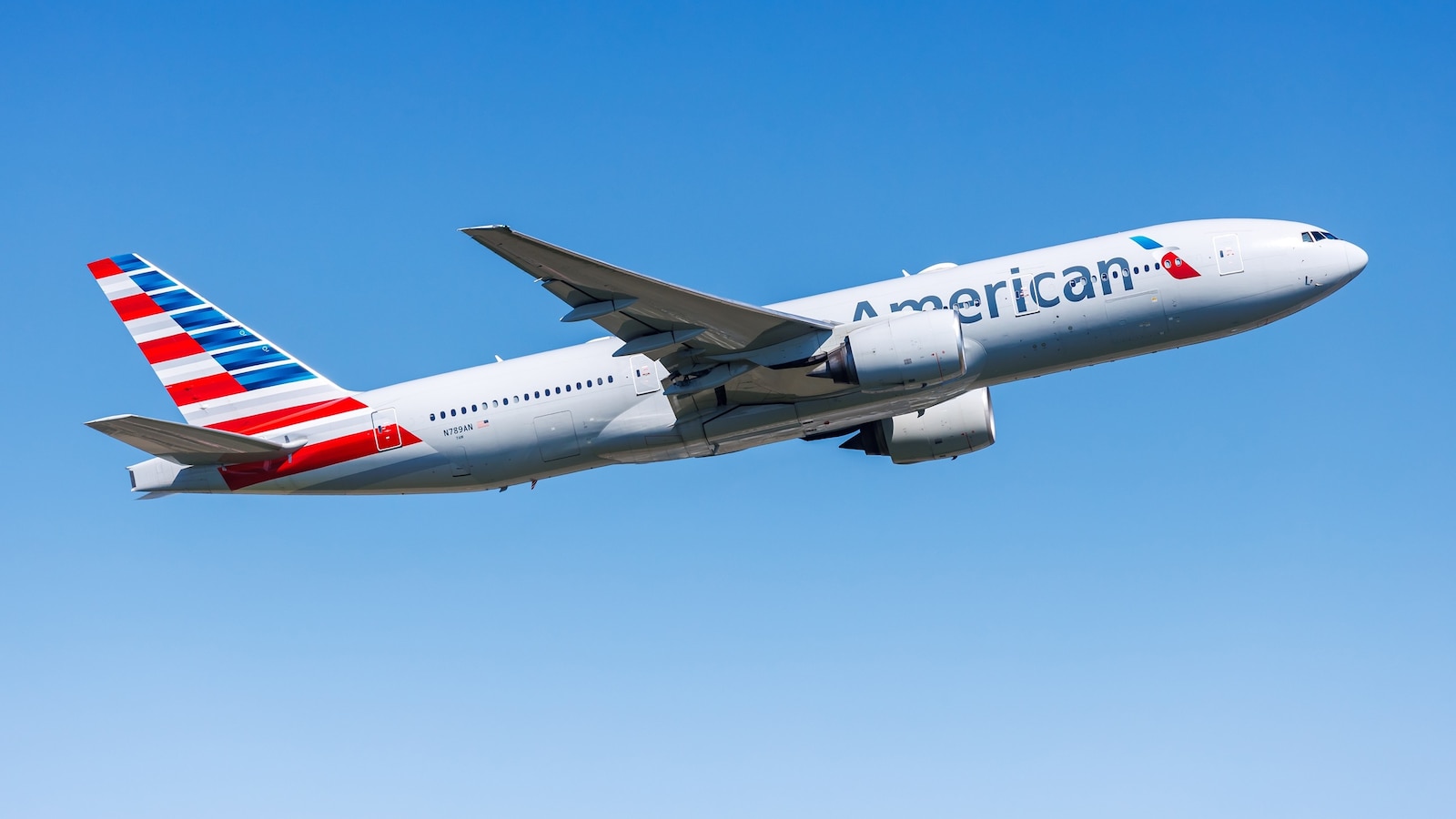
United Flight Narrowly Avoids Collision with Military Helicopter in California
A United Airlines flight narrowly avoided a collision with a military Sikorsky Black Hawk helicopter during final approach to John Wayne Airport in Santa Ana, California, on Tuesday evening. The incident, occurring with just 1,422 feet of separation, is prompting renewed scrutiny of air traffic control protocols and the increasing frequency of near-misses, particularly in congested airspace. The FAA is investigating, adding to a growing list of aviation safety concerns.
The Ripple Effect: Beyond Near-Misses and Into Risk Management
The immediate aftermath focuses on the technical investigation – radar data, pilot reports, and air traffic controller logs. But the real story here isn’t just about a close call; it’s about the escalating cost of risk in the entertainment and travel industries. Every incident like this, even without physical damage, chips away at brand equity and triggers a cascade of potential liabilities. Airlines, already navigating fluctuating fuel costs and post-pandemic travel patterns, face increased insurance premiums and potential legal challenges. The incident comes on the heels of a similar near-collision at LaGuardia Airport, and a fatal mid-air collision in Washington D.C. Last year, highlighting a systemic pattern.
Aviation Safety & The Insurance Landscape
The financial implications are substantial. According to a report by Allianz Global Corporate & Specialty, aviation insurance premiums have risen by an average of 20% in the last year, largely due to increased claims and a more volatile risk environment. Allianz’s latest market update details the growing concerns around airspace congestion and the potential for catastrophic events. This isn’t simply a matter for the airlines; it impacts the entire travel ecosystem, including hotels, tourism operators, and, crucially, the film and television industry which relies heavily on efficient air travel for location scouting, production, and talent transport.
The Legal Quagmire: FAA Oversight and Potential Litigation
The FAA’s investigation will center on whether a recent suspension of visual separation procedures between aircraft and helicopters played a role. This is where the legal complexities begin. Should negligence be established, potential lawsuits could arise from passengers, crew members, and even third parties affected by potential delays or cancellations. “The key here is establishing a duty of care and demonstrating a breach of that duty,” explains entertainment attorney, David Mandelbaum, partner at Mandelbaum & Associates. “Airlines and the FAA have a extremely high standard of care, and any deviation from established protocols can open them up to significant liability.”
“We’re seeing a trend of increased scrutiny on the FAA’s oversight capabilities. These incidents aren’t isolated; they point to systemic issues that require to be addressed.”
Mandelbaum adds that the NTSB’s previous determination of systemic failures in the D.C. Collision will undoubtedly be a focal point in this investigation.
Brand Perception and Crisis Communication
Beyond the legal ramifications, the incident poses a significant threat to United Airlines’ brand reputation. In today’s hyper-connected world, news of near-misses spreads rapidly on social media, fueling anxiety and eroding consumer trust. A swift and transparent response is critical. This is where specialized crisis communication firms reach into play. They can help United craft a narrative that acknowledges the seriousness of the incident while reassuring passengers, and stakeholders. The airline’s initial statement, while factual, lacked the empathetic tone needed to address public concerns. A proactive PR strategy, focusing on safety enhancements and a commitment to passenger well-being, is essential.
The Hollywood Connection: Production Schedules and Talent Logistics
The impact extends beyond commercial aviation. The entertainment industry is acutely sensitive to disruptions in air travel. Delays and cancellations can derail film and television productions, leading to costly reshoots and missed deadlines. Talent agencies are already factoring increased travel risks into their contracts, negotiating clauses that protect their clients from financial losses due to unforeseen circumstances. Leading talent agencies are actively advising their clients to consider alternative transportation options, such as private jets, for critical travel. The incident also highlights the need for robust contingency planning for film and television productions, including alternative locations and flexible shooting schedules.
The Rise of Air Traffic Control Technology
The FAA is under increasing pressure to modernize its air traffic control system. The NextGen initiative, aimed at transitioning to a satellite-based system, has been plagued by delays and cost overruns. Still, advancements in technology, such as automated collision avoidance systems and real-time data analytics, offer promising solutions. The FAA’s NextGen website details the ongoing efforts to improve air traffic control infrastructure. The implementation of these technologies is crucial to mitigating the risk of future incidents.
The Event Management Angle: Airport Security and Emergency Protocols
Incidents like this also underscore the importance of robust emergency protocols at airports. Event security and logistics firms specializing in airport operations play a vital role in ensuring the safety and security of passengers and staff. They can provide comprehensive risk assessments, develop emergency response plans, and coordinate with local law enforcement and emergency services. The John Wayne Airport Authority will likely review its emergency procedures in light of this incident, focusing on improving communication and coordination between air traffic control, airport security, and local emergency responders.
Looking Ahead: A Call for Systemic Change
The near-miss at John Wayne Airport is a stark reminder of the inherent risks associated with air travel. It’s not enough to simply investigate individual incidents; a systemic overhaul of air traffic control procedures and infrastructure is needed. The entertainment industry, with its reliance on efficient and safe air travel, has a vested interest in advocating for these changes. The incident serves as a wake-up call, demanding a proactive approach to aviation safety and a renewed commitment to protecting passengers and crew. The World Today News Directory provides access to vetted professionals in crisis PR, legal counsel, and event management, ready to navigate these complex challenges.
*Disclaimer: The views and cultural analyses presented in this article are for informational and entertainment purposes only. Information regarding legal disputes or financial data is based on available public records.*