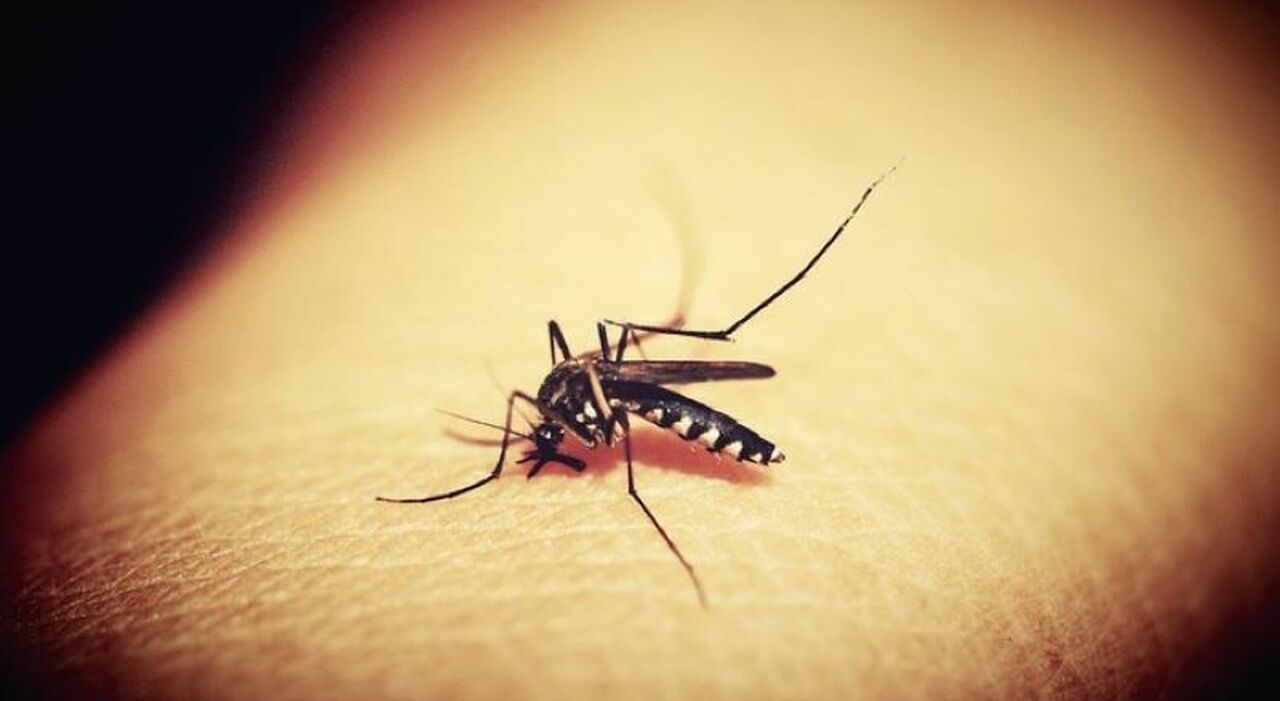
Understanding Zanzare: Who’s at Risk and How to Protect Yourself
Mosquito host-seeking behavior is driven by complex olfactory and physiological cues rather than blood glucose levels, according to clinical experts addressing recent public interest in vector-borne disease transmission. While popular media often characterizes certain individuals as having “sweet blood,” biological research confirms that host attractiveness is determined by a combination of carbon dioxide emission, skin microbiota composition, and volatile organic compound (VOC) profiles.
Key Clinical Takeaways:
- Mosquito attraction is mediated by metabolic byproducts and skin microbiome diversity, not blood glucose concentration.
- Primary attractants include lactic acid, ammonia, and carboxylic acids emitted through the skin surface.
- Evidence-based prevention remains the gold standard, utilizing EPA-registered repellents like DEET or Picaridin to disrupt host-seeking sensors.
Deconstructing the “Sweet Blood” Myth
The persistent belief that high blood sugar levels increase susceptibility to mosquito bites lacks empirical support in the field of entomology and infectious disease. Professor Matteo Bassetti, head of the Infectious Diseases Clinic at San Martino Hospital in Genoa, recently clarified that blood glucose concentration does not influence mosquito feeding patterns. The World Health Organization (WHO) emphasizes that mosquitoes rely on highly sensitive chemoreceptors to detect long-range cues, such as the CO2 exhaled during respiration, and short-range cues, including body heat and moisture.

Clinical research published in the journal Nature indicates that the human skin microbiome plays a significant role in determining attractiveness. Specific bacterial species, such as Staphylococcus epidermidis, metabolize sweat components into volatile acids that serve as potent attractants. These biological markers are unique to the individual, explaining why some people experience higher bite frequencies within the same environmental setting. For patients with concerns regarding skin sensitivity or chronic dermatological reactions to insect bites, consulting with a board-certified dermatologist can provide guidance on managing localized inflammatory responses and preventing secondary infections.
Epidemiological Factors and Host Selection
Mosquitoes exhibit selective behavior based on the chemical signature of the host’s sweat. According to a study funded by the National Institutes of Health (NIH), individuals who produce higher concentrations of lactic acid are statistically more attractive to the Aedes aegypti species. This is a matter of physiological homeostasis rather than dietary intake. The pathogenesis of vector-borne illnesses, such as West Nile Virus or Dengue, remains a significant public health concern, particularly in regions experiencing climate-driven shifts in mosquito population density.
Dr. Elena Rossi, an infectious disease specialist, notes that “the variability in human odor profiles is vast, and we are only beginning to quantify how genetics influence these chemical signatures.” Understanding these variables is critical for public health infrastructure, especially for healthcare providers managing patients in high-risk zones. Those requiring diagnostic screening for suspected vector-borne infections should seek evaluation at a specialized infectious disease diagnostic center to ensure accurate identification and rapid intervention.
Evidence-Based Prevention Strategies
The most effective strategy for mitigating bite risk is the consistent application of CDC-recommended repellents. Products containing DEET (N,N-diethyl-meta-toluamide), Picaridin, or IR3535 are considered the clinical standard for interrupting the mosquito’s ability to locate a host. These compounds function by masking the chemical cues that trigger the mosquito’s landing and probing response.

Healthcare providers often advise that individuals with high occupational exposure—such as agricultural workers or field researchers—maintain updated vaccination records if traveling to endemic areas. For organizations managing employees in high-risk environments, ensuring compliance with occupational health safety standards is paramount. Engaging with a healthcare compliance consultant can assist in developing robust protocols for staff protection and emergency medical response, effectively closing the gap between environmental risk and clinical preparedness.
As research into synthetic odor-masking technology continues, the focus remains on non-pharmacological, topical interventions. Future developments in spatial repellents may eventually provide broader protection, but until such technologies reach phase-III clinical validation, reliance on established, peer-reviewed preventative measures is strongly advised.
Disclaimer: The information provided in this article is for educational and scientific communication purposes only and does not constitute medical advice. Always consult with a qualified healthcare provider regarding any medical condition, diagnosis, or treatment plan.