
Fragile Climate Deal Reached at Cop30 as UN Sounds Alarm on Global Progress
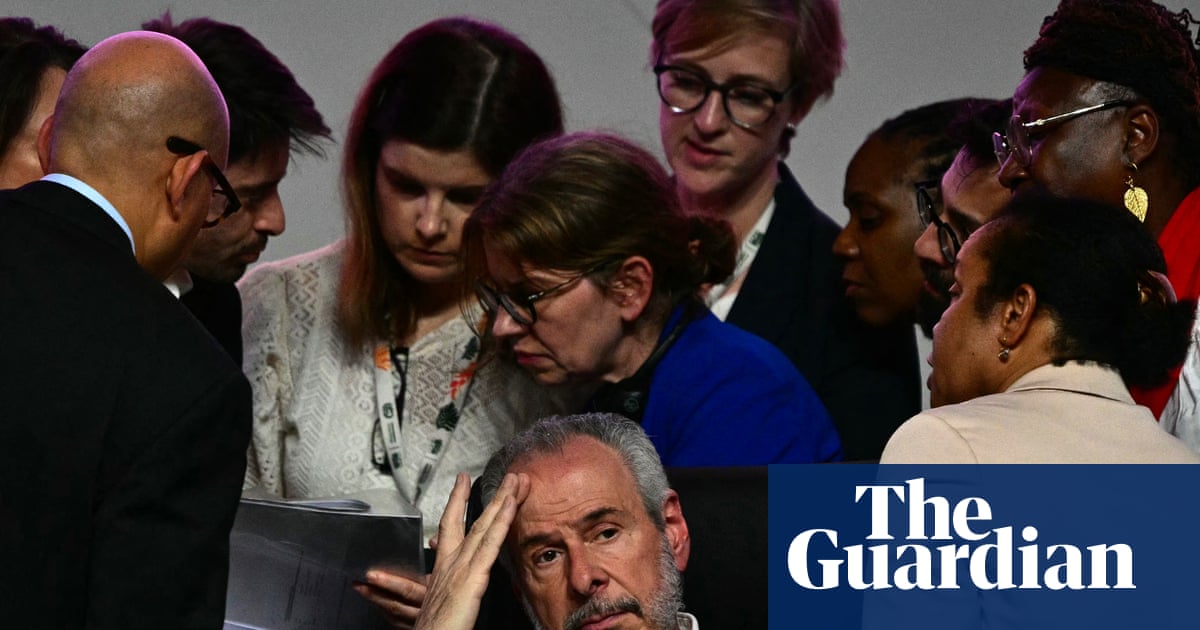
Belém, Brazil – A climate agreement was reached at the conclusion of Cop30 in Belém, Brazil, but the UN has warned the world is losing the battle against climate change, and many observers expressed disappointment with the level of ambition in the final deal. While hailed as a step forward for international climate cooperation and multilateralism, the outcome fell short of expectations for several key areas.
The agreement, the first to be hosted in Brazil as 2009, notably recognized Indigenous peoples’ land rights and knowledge as a basic climate solution, a theme Brazil styled the summit around as the “Indigenous Cop.” However, participants like Emil Gualinga, of the Kichwa Peoples of Sarayaku, Ecuador, voiced concerns over limited participation, stating, “Despite being referred to as an Indigenous Cop … it became clear that Indigenous peoples continue to be excluded from the negotiations.”
A critically important point of contention was the postponement of a promised commitment to adaptation finance for vulnerable nations to 2035. Mamadou Ndong Toure, thematic lead for climate and resilience at Practical Action in Senegal, emphasized the urgency, saying, ”Adaptation cannot be built on shrinking commitments; people on the frontline need predictable, accountable support and a clear path to act.”
Further frustration arose from the absence of direct language regarding a phase-out of fossil fuels in the final text. Climate scientist James Dyke,of the University of Exeter,called the omission “shameful,” attributing it to “narrow self-interest and cynical politicking.”
Despite the shortcomings, Cop30 saw a resurgence of civil society engagement, with tens of thousands participating in protests and demonstrations. jamie henn,director of Fossil Free Media,noted a “palpable sense of momentum” unseen in recent years,citing both Indigenous-led demonstrations and a march of over 70,000 people.
Looking ahead to Cop31, experts suggest a shift in focus. Prof Michael Grubb, of University College London, argued for balancing efforts to phase out fossil fuels with increased attention to “the huge economic potential of accelerating the energy transition, and ways to help countries around the world benefit from renewables and electrification.”
