
Global Plastic Treaty Talks Stall, Nations Pledge Continued Engagement
Geneva, Switzerland – After ten days of intense negotiations, international discussions aimed at forging a legally binding treaty to combat plastic pollution concluded without a finalized agreement. Despite geopolitical hurdles and economic concerns, representatives from 183 nations reaffirmed their commitment to continuing the process, signaling a shared resolve to tackle the escalating global crisis of plastic waste. This outcome underscores the complexity of reaching consensus on a comprehensive solution, but also highlights the widespread recognition of the urgent need for action.
A Decade in the Making: The Road to a Plastic Treaty
Inger Andersen, Executive Director of the UN Environment Program (UNEP), acknowledged the difficulties encountered during the Intergovernmental Negotiating Committee (INC) talks. “This has been a hard-fought 10 days against the backdrop of geopolitical complexities, economic challenges and multilateral strains,” Andersen stated. “However, one thing remains clear: despite these complexities, all countries clearly want to remain at the table.”
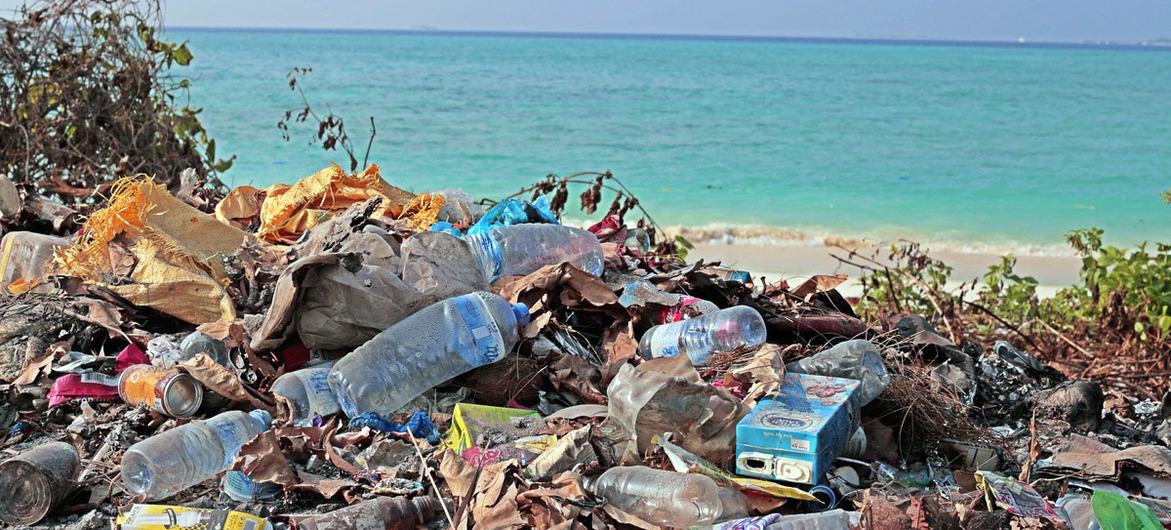
The negotiations, officially known as INC-5.2, built upon previous sessions, including INC-5.1 held in Busan. The goal was to finalize a treaty text addressing the full lifecycle of plastics, from production to disposal. while a complete agreement proved elusive, UNEP will continue its work to mitigate plastic pollution, which now permeates groundwater, soil, rivers, oceans, and even the human body, according to Andersen. While we did not land the treaty text we hoped for, we at UNEP will continue the work against plastic pollution
, she affirmed.
Diverse Voices Converge in Geneva
The Palais des Nations in Geneva hosted over 2,600 participants, including approximately 1,400 country delegates and nearly 1,000 observers representing over 400 organizations. The session saw robust participation from civil society groups, including Indigenous Peoples, waste pickers, artists, young activists, and scientists, who voiced their concerns through protests, art installations, and briefings.
Delegates grappled with key issues such as plastic design, the regulation of chemicals of concern, potential production caps, financial mechanisms, and compliance measures. Despite intensive engagement
, consensus on the proposed texts remained out of reach, UNEP reported.
did You Know? Approximately 8 million tons of plastic enter the ocean every year, harming marine life and ecosystems. (Source: National Geographic)
Call for Renewed Commitment
Luis Vayas Valdivieso, Chair of the INC, urged delegates not to be discouraged by the lack of immediate success. Failing to reach the goal we set for ourselves may bring sadness, even frustration. Yet it should not lead to discouragement. In contrast, it should spur us to regain our energy, renew our commitments, and unite our aspirations,
he said. He expressed confidence that the international community would eventually unite to protect the environment and public health.
Jyoti Mathur-Filipp, Executive Secretary of the INC Secretariat, echoed this sentiment, emphasizing the need for continued progress. As this session concludes, we leave with an understanding of the challenges ahead and a renewed and shared commitment to address them. Progress must now be our obligation.
timeline of the Plastic Treaty Negotiations
| Date | Event |
|---|---|
| March 2022 | UN Environment Assembly passes Resolution 5.2, initiating the process to develop a legally binding instrument on plastic pollution. |
| Various Dates (2023-2024) | INC-1 through INC-5.1 sessions held to draft and negotiate treaty elements. |
| May 2024 | INC-5.2 session concludes in Geneva without a finalized treaty text. |
Pro tip: Understanding the different types of plastics and their recyclability can definitely help you make more informed consumer choices and reduce your plastic footprint.
what role do you think individual consumers can play in reducing plastic pollution while international negotiations continue? How can governments incentivize businesses to adopt more enduring plastic practices?
The Growing Plastic Pollution Crisis: A Long-Term Outlook
The issue of plastic pollution has escalated dramatically in recent decades,driven by increased production and inadequate waste management systems. The durability of plastics, while beneficial for many applications, also contributes to their persistence in the environment for centuries. Microplastics, resulting from the breakdown of larger plastic items, pose a especially insidious threat, entering the food chain and potentially impacting human health. Addressing this crisis requires a multifaceted approach, encompassing reduced production, improved recycling infrastructure, and the development of biodegradable alternatives. The current negotiations represent a crucial step towards a global framework for tackling this complex challenge.
Frequently Asked questions About the Plastic Treaty
- What is the goal of the plastic treaty? The treaty aims to end plastic pollution across the entire lifecycle of plastics, from production to waste management.
- Why is a global treaty necessary? Plastic pollution is a transboundary issue requiring international cooperation to effectively address.
- What are the key sticking points in the negotiations? Disagreements exist regarding production caps, financial contributions, and the regulation of chemicals used in plastic production.
- What happens now that the INC-5.2 session has concluded? UNEP will continue working towards a treaty, with future sessions and diplomatic conferences planned.
- How can I reduce my plastic consumption? Consider reusable alternatives, support businesses committed to sustainability, and advocate for stronger policies.
We hope this report provides valuable insight into the ongoing efforts to address the global plastic pollution crisis. Share this article with your network to raise awareness and encourage further discussion. Subscribe to our newsletter for the latest updates on this and other critical environmental issues.
