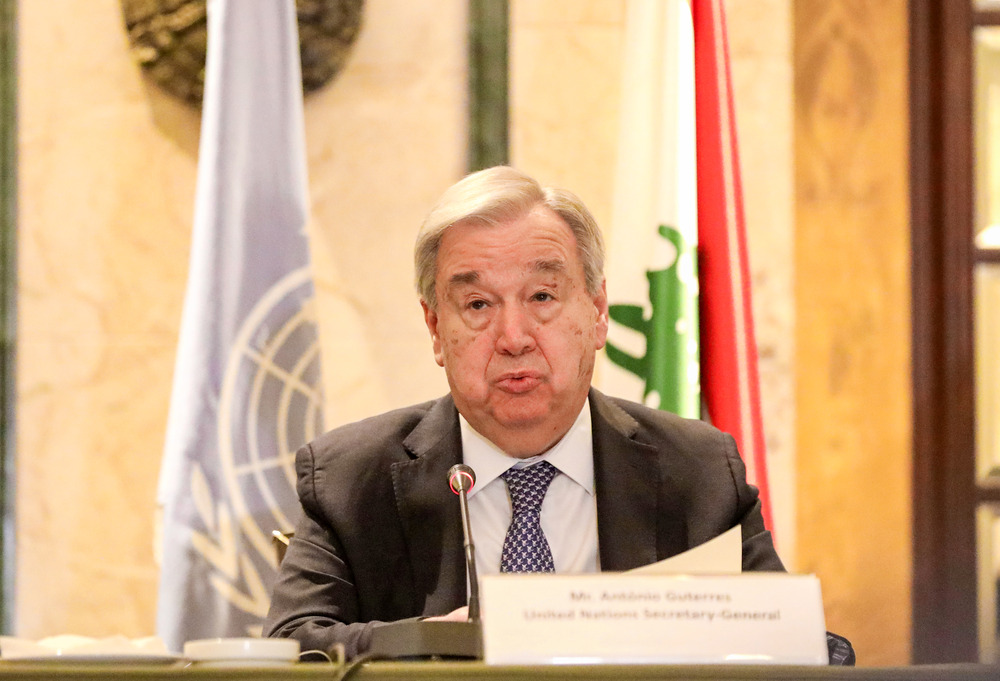
UN Chief Urges Faster Political Action to End HIV by 2030: Key Updates from Global High-Level Meeting
United Nations officials are calling for immediate political mobilization to address the stagnation in global HIV prevention and treatment efforts, warning that the goal of ending AIDS as a public health threat by 2030 remains at risk. During the recent UN High-Level Meeting on HIV, delegates highlighted that while clinical tools for viral suppression are widely available, systemic barriers and lagging policy implementation continue to impede the decline of new infections and AIDS-related mortality.
Key Clinical Takeaways:
- Global leaders emphasize that current HIV intervention rates are insufficient to reach the 2030 target, citing a lack of sustained political commitment.
- Clinical efficacy of antiretroviral therapy (ART) remains high, but patient access, stigma, and infrastructure gaps represent the primary hurdles to achieving viral load suppression.
- Public health strategies must prioritize equitable distribution and early diagnostic screening to reduce the incidence of opportunistic infections and morbidity.
The Epidemiological Gap in Global HIV Control
The urgency expressed by UN leadership follows data indicating that progress is not uniform across all regions. According to reports from UNAIDS, the current trajectory of new infections fails to align with the milestones required for total eradication. While the biological mechanism of action for modern antiretroviral therapy—specifically integrase strand transfer inhibitors (INSTIs)—has revolutionized the standard of care, the transition from clinical efficacy to population-level impact is hampered by socioeconomic determinants of health.
Dr. Diene Keita, Executive Director of the United Nations Population Fund (UNFPA), underscored that the current decline in infection rates is being outpaced by population growth and systemic health inequality. For clinicians working in high-prevalence zones, this necessitates a shift in focus toward robust testing frameworks. Patients or health systems requiring improved diagnostic pathways or specialized infectious disease consultation should connect with vetted board-certified infectious disease specialists to ensure compliance with the latest WHO treatment guidelines.
Infrastructure and the Path to 2030
India’s Permanent Representative to the UN, Parvathaneni Harish, stated that India remains committed to the 2030 target, emphasizing that domestic health infrastructure is the backbone of the response. This commitment relies on the integration of HIV services into broader primary healthcare systems. When screening protocols are integrated, the likelihood of identifying patients in the early stages of the disease increases, significantly improving prognosis and reducing long-term morbidity.
The challenge remains the volatility of international funding. As noted in assessments by Health Policy Watch, the recent UN meeting suffered from low attendance, suggesting a potential waning of international prioritization. For organizations managing the supply chain of essential medications, maintaining operational continuity requires rigorous adherence to regulatory standards. Pharmaceutical stakeholders and procurement entities are increasingly seeking specialized healthcare compliance attorneys to navigate the complex landscape of international drug distribution and patent compliance, preventing potential bottlenecks that could leave vulnerable populations without consistent access to ART.
Clinical Considerations for Future Programming
The medical community continues to observe that HIV management is no longer a matter of therapeutic innovation but one of consistent delivery. The Centers for Disease Control and Prevention (CDC) maintain that consistent viral suppression—achieved when a patient maintains an undetectable viral load—effectively eliminates the risk of sexual transmission. This clinical reality, known as U=U (Undetectable = Untransmittable), provides the foundation for current public health messaging.
However, the transition from clinical research to community implementation involves significant logistical hurdles. As we move toward the 2030 deadline, the focus must shift toward scaling pre-exposure prophylaxis (PrEP) and ensuring that diagnostic centers are equipped to handle large-scale screening programs. For those involved in the administration of clinical research or public health initiatives, collaborating with accredited diagnostic laboratories and research centers is essential for maintaining the data integrity required to track the efficacy of regional HIV programs. The future of the HIV fight depends on bridging the gap between existing pharmacological success and the political will to fund the infrastructure necessary to reach every patient in need.
Disclaimer: The information provided in this article is for educational and scientific communication purposes only and does not constitute medical advice. Always consult with a qualified healthcare provider regarding any medical condition, diagnosis, or treatment plan.