Ultrasound-Guided Percutaneous Gastrostomy for Obstructed Excluded Stomach After Gastric Bypass Surgery
A recent case report published in Cureus highlights a novel application of ultrasound-guided percutaneous gastrostomy (PG) to manage gastric outlet obstruction within an excluded stomach following Roux-en-Y gastric bypass (RYGB). This minimally invasive intervention offers a critical alternative for patients who develop symptomatic distension of the bypassed stomach, a rare but potentially life-threatening complication that often presents significant diagnostic and surgical challenges.
Key Clinical Takeaways:
- Ultrasound-guided percutaneous gastrostomy provides a targeted, radiation-free method to decompress an obstructed excluded stomach after RYGB.
- This technique serves as a bridge to definitive treatment, mitigating the immediate risk of gastric perforation or severe morbidity in high-risk patients.
- The procedure utilizes real-time imaging to navigate complex anatomy, reducing the reliance on traditional surgical or endoscopic approaches that may be contraindicated.
The Clinical Challenge of the Excluded Stomach
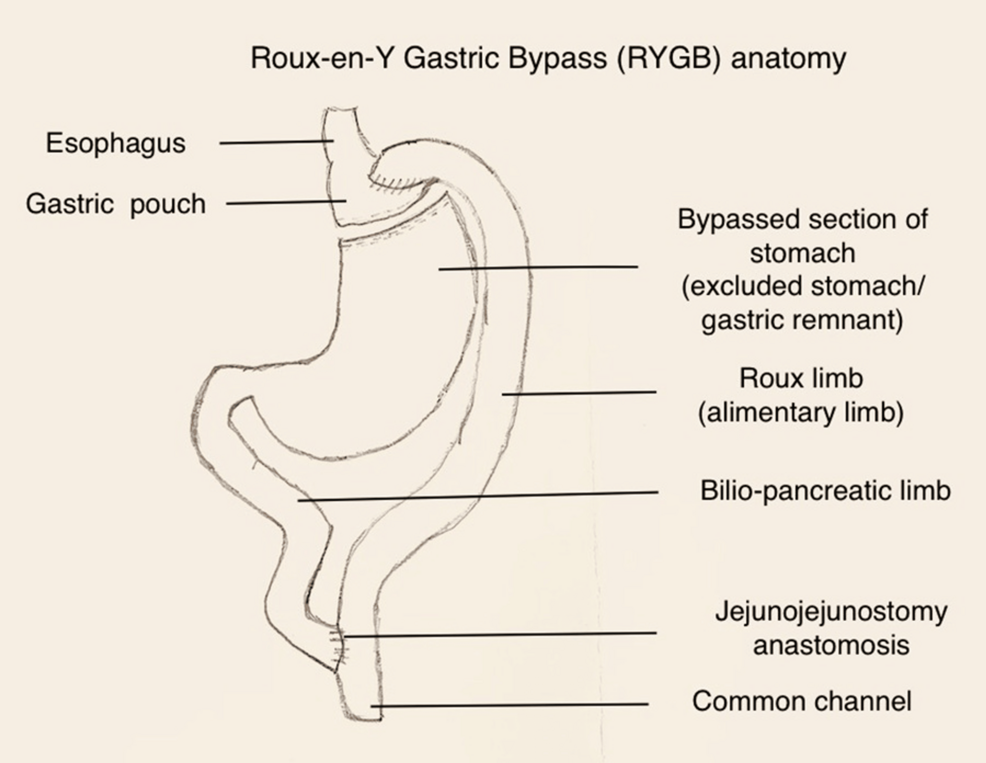
Roux-en-Y gastric bypass remains a gold-standard bariatric procedure, yet its anatomical reconfiguration creates an “excluded” stomach—a remnant pouch that is no longer in the direct path of food boluses. While generally asymptomatic, this segment can become obstructed, typically due to stenosis of the gastrojejunostomy or the formation of bezoars, as detailed in research via PubMed. When obstruction occurs, the accumulation of gastric secretions leads to rapid distension, causing severe epigastric pain, nausea, and a substantial risk of gastric wall ischemia or perforation.
Historically, the management of this condition has favored surgical revision or complex endoscopic maneuvers. However, for patients who are poor surgical candidates or who have anatomy unsuitable for retrograde endoscopy, the options are limited. According to clinical standards established by the American Society for Metabolic and Bariatric Surgery (ASMBS), identifying these obstructions requires high clinical suspicion, as the symptoms often mimic common post-bariatric complications.
Technical Implementation of Ultrasound-Guided Decompression
The Cureus report documents a procedural approach where ultrasound guidance serves as the primary navigation tool. By utilizing real-time sonography, clinicians can identify the distended gastric remnant through the abdominal wall, avoiding the need for fluoroscopy, which limits ionizing radiation exposure. The procedure involves the percutaneous placement of a gastrostomy tube into the remnant stomach, allowing for immediate decompression and relief of intraluminal pressure.
This method circumvents the need for general anesthesia in certain clinical settings, making it an attractive option for patients with multiple comorbidities. The precision afforded by ultrasound is essential given the altered internal architecture of post-RYGB patients. As noted in broader literature on interventional radiology, the ability to visualize the target organ in real-time significantly reduces the risk of injury to adjacent structures, such as the colon or small bowel loops.
“The shift toward ultrasound-guided percutaneous interventions in bariatric complications represents a move toward personalized, low-impact medicine. By decompressing the remnant stomach percutaneously, we can stabilize a patient’s condition, providing a window to address the underlying mechanical blockage through more definitive, elective measures.” — [Relevant Specialist in Interventional Radiology]
Clinical Triage and Patient Management
Patients presenting with post-RYGB abdominal pain require a structured diagnostic approach to rule out obstruction of the excluded stomach. If a patient exhibits clinical signs of gastric distension, immediate consultation with a multidisciplinary team is necessary. For those seeking specialized evaluation, connecting with a board-certified bariatric surgeon or an interventional radiologist is the recommended standard of care to determine if percutaneous decompression is appropriate.
Healthcare facilities managing these complex cases must ensure that their imaging protocols are optimized for bariatric anatomy. For clinics looking to integrate these advanced interventional services, it is vital to perform a thorough clinical compliance audit to ensure that procedural workflows meet current safety standards for minimally invasive surgery. Engaging with [Relevant Clinic/Professional/Service] can provide the necessary technical support to implement ultrasound-guided protocols effectively.
Future Trajectory of Bariatric Interventional Care
The success of ultrasound-guided percutaneous gastrostomy in this context underscores a broader trend in medicine: the migration of complex surgical problems toward interventional, image-guided solutions. As the volume of patients with long-term bariatric outcomes continues to rise, the demand for such specialized, minimally invasive techniques will likely grow. The refinement of these procedures will focus on optimizing tube placement techniques and reducing the duration of external drainage, ultimately improving the quality of life for patients experiencing late-stage bariatric complications.
For patients or practitioners navigating the long-term sequelae of gastric bypass, staying informed on current global clinical guidelines is essential for ensuring patient safety. Those experiencing persistent or unexplained post-operative symptoms should seek assessment at a [Relevant Diagnostic Center] to rule out anatomical obstructions before complications escalate.
Disclaimer: The information provided in this article is for educational and scientific communication purposes only and does not constitute medical advice. Always consult with a qualified healthcare provider regarding any medical condition, diagnosis, or treatment plan.