
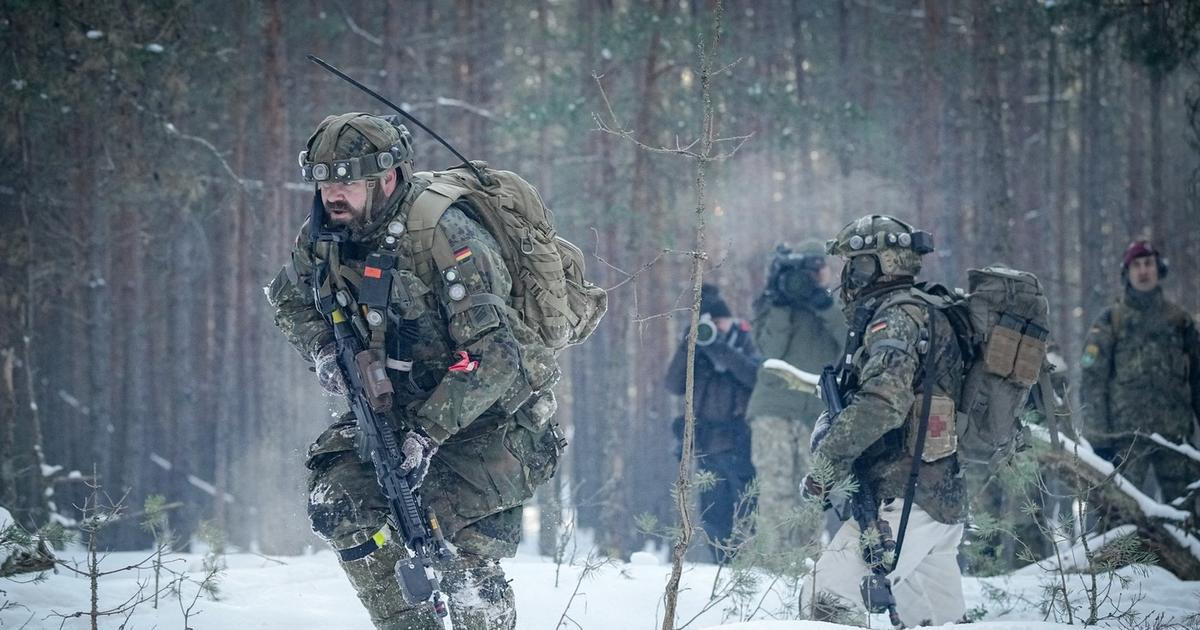
Germany and Ukraine are poised to finalize an agreement that will see Ukrainian combat veterans instructing German soldiers in modern warfare tactics, a move spurred by lessons learned during recent NATO exercises. The agreement, expected to be signed this week by German Defence Minister Boris Pistorius and Ukrainian President Volodymyr Zelenskyy, reflects a growing recognition within NATO of the unique battlefield experience Ukraine’s armed forces have accumulated since the start of the full-scale Russian invasion in February 2022.
German military officials have stated that Ukraine currently possesses more practical combat experience than any other nation within NATO, an asset the alliance is keen to leverage. While details of the training program remain confidential for security reasons, discussions regarding how the Bundeswehr could benefit from Ukrainian expertise have been ongoing since 2025, according to German sources. The initial phase of the program will likely involve short-term deployments of Ukrainian instructors to Germany, given the ongoing challenges Ukraine faces with military recruitment.
Germany has been actively involved in training Ukrainian soldiers since 2022, focusing on the operation and maintenance of Western-supplied weaponry, including Leopard tanks, Gepard anti-aircraft systems, and Panzerhaubitze 2000 self-propelled howitzers. This recent initiative represents a shift towards a reciprocal learning arrangement, acknowledging Ukraine’s evolving capabilities on the battlefield.
The impetus for this collaboration was highlighted during a recent NATO exercise in Estonia, where Ukrainian forces, acting as opposing forces, decisively defeated allied troops in a simulated combat scenario. According to a report in the Wall Street Journal, a small team of approximately ten Ukrainian soldiers “destroyed” 17 armored vehicles and executed 30 simulated strikes against other targets within half a day, utilizing drone warfare tactics. An exercise participant described the allied forces as operating without adequate camouflage, leaving equipment and personnel vulnerable.
This demonstration of Ukrainian tactical proficiency has prompted other European nations to express interest in similar training opportunities. European military leaders recognize a gap in real-world combat experience within their own forces, despite possessing advanced technology. The NATO Security Assistance and Training for Ukraine (NSATU) framework, established in July 2024, is intended to coordinate such assistance and streamline the delivery of support to Ukraine. NSATU operates under the command of Supreme Allied Commander Europe (SACEUR) and is headquartered in Wiesbaden, Germany.
Germany’s commitment to this effort is coupled with a pledge to provide Ukraine with additional military aid valued at up to $500 million, to be delivered through a newly established NATO supply line. This aid package is part of the broader Comprehensive Assistance Package (CAP) for Ukraine, which encompasses both non-lethal military assistance and long-term capacity-building projects designed to support Ukraine’s defense and security sector reforms.
As of February 2026, the specifics of the training curriculum and the long-term implications of this collaboration remain undisclosed. No official statement has been released regarding the potential for Ukrainian instructors to provide feedback on NATO’s existing training doctrines or operational procedures.
