Ukraine Strikes Russian Oil Terminal as Russia Profits From Iran Conflict
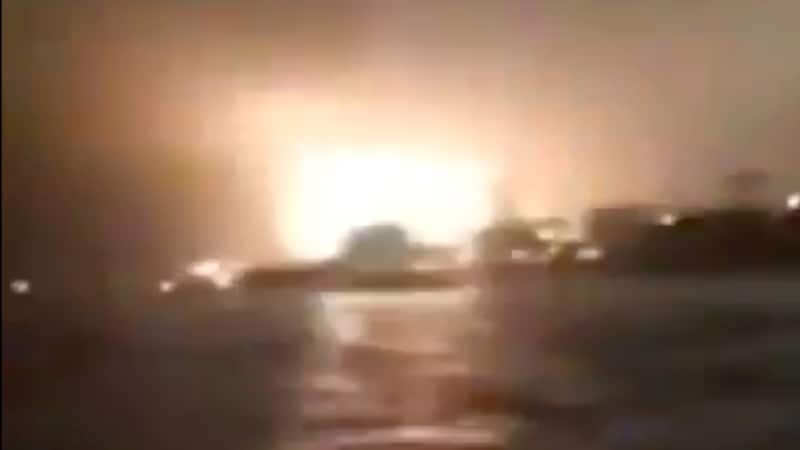
A Ukrainian drone strike targeting a key Russian oil terminal in Primorsk, near the Finnish border, overnight Monday disrupted exports from one of Russia’s most important Baltic Sea oil ports, capable of shipping over one million barrels of oil daily. The attack, confirmed by Russian authorities who claimed to have downed 70 drones, is part of a sustained Ukrainian strategy to degrade Russia’s war economy by targeting its energy infrastructure.
According to Ukraine’s General Staff, parts of the Primorsk facility were ablaze following the assault. Whereas Russia asserts no injuries occurred, the temporary halt in exports represents a significant blow to Moscow’s revenue stream. “They began with this in January 2024, and it’s been happening in waves,” explained Palle Ydstebø, lieutenant colonel at the Norwegian Military Academy, referring to Ukraine’s campaign. “They’ve acquired better weapons with improved range and precision. Last autumn, they also began attacking vessels in the Black Sea, with a couple of attacks even occurring in the Mediterranean.”
Ydstebø emphasized the core objective: “The goal is to weaken the Russian war economy by weakening oil exports.” He added that Russian refining capacity has also been reduced, with several refineries temporarily taken offline. Reports in mid-March 2026 indicated multiple Ukrainian drone attacks targeting Russian oil refineries, particularly in the Krasnodar region near the Black Sea.
Ironically, while Ukraine attempts to cripple Russia’s financial capabilities, Moscow is simultaneously benefiting from the escalating conflict in the Middle East. Russia has earned €7.7 billion from fossil fuel exports in the first two weeks of the Iran crisis, according to data from the Centre for Research on Energy and Clean Air (CREA). The conflict, triggered by joint US-Israeli strikes against Iran on February 28th, has sent global oil prices soaring, with Brent crude exceeding $119 a barrel on Thursday.
These higher prices are translating into increased revenue for major oil exporters like Russia, which earned approximately €372 million daily from oil exports in the first half of March – a 14% increase compared to the February average, as reported by Euronews. India and China account for roughly three-quarters of Russia’s oil income.
Adding a layer of complexity, the United States has temporarily eased sanctions on Russia to stabilize energy markets. US authorities granted India permission to purchase Russian oil already en route. “This represents a narrowly tailored, short-term measure that applies only to oil already in transit,” stated US Treasury Secretary Scott Bessent.
The move has drawn criticism from European leaders. French President Emmanuel Macron and German Chancellor Friedrich Merz have called for the maintenance of stringent sanctions against Russia. The situation highlights the delicate balance between maintaining pressure on Russia and ensuring global energy security, a balance that remains unresolved as of Monday, March 23, 2026.