Ukraine Launches Largest Drone Attack on Moscow in Over a Year
Ukrainian forces launched a massive drone strike against Moscow and surrounding Russian regions on Sunday, May 17, 2026, killing at least three people and injuring dozens more. President Volodymyr Zelenskyy characterized the large-scale operation as an “entirely justified” response to Russian strikes on Ukrainian cities, marking a significant escalation in the reach of Kyiv’s asymmetric capabilities.
The scale of this incursion signals a profound shift in the theater of operations, moving the kinetic reality of the conflict from the front lines in the Donbas and border regions directly into the Russian heartland. For global markets and multinational entities, this is more than a tactical maneuver. it is a demonstration of how easily critical infrastructure can be targeted, necessitating a total reassessment of regional security protocols and supply chain resilience.
The Anatomy of a Multi-Vector Incursion
The strike, which began in the early hours of Sunday, utilized a massive swarm of Unmanned Aerial Vehicles (UAVs) to overwhelm regional air defenses. According to reports from local officials, the attack was not localized to a single point but was a coordinated, multi-vector assault targeting several key areas.

In the Moscow region, the human cost was immediate. Regional governor Andrei Vorobiev reported that a woman was killed in Khimki, north of the capital, while another person was trapped under rubble following a strike on a multi-storey residential building. In the village of Pogorelki, a man and a woman were also confirmed dead. The carnage extended to the Belgorod region bordering Ukraine, where another death was reported.
The tactical diversity of the attack was evident in the damage reported across various sectors. In the village of Subbotino, located southwest of Moscow, a private residence was consumed by fire. Meanwhile, Moscow Mayor Sergei Sobyanin confirmed that 12 people were injured when drones struck the entrance to a city oil refinery, causing damage to three nearby houses. This targeting of energy-related infrastructure highlights a growing trend in the conflict: the systematic degradation of the adversary’s logistical and economic backbone.
As these strikes continue to test the limits of national defense, multinational corporations operating in transit corridors are increasingly turning to geopolitical risk consultants to model potential disruptions to regional movement and asset safety.
The Politics of Reciprocity and Sovereignty
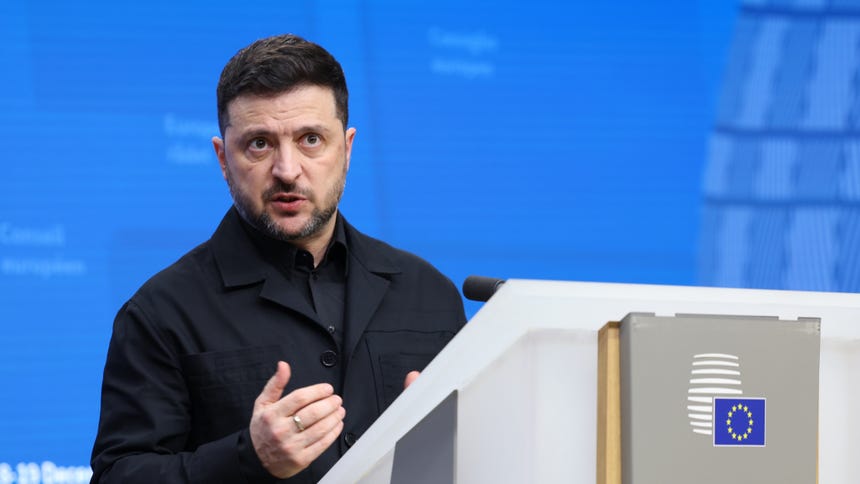
The diplomatic fallout of the strike is as significant as the physical damage. President Volodymyr Zelenskyy has been unequivocal in his stance, framing the strike not as an act of unprovoked aggression, but as a necessary defensive measure. He stated that the operation was an “entirely justified” response to the deadly Russian missile and drone attacks that have consistently targeted Ukrainian civilian centers, including a recent massive strike on Kyiv that killed 24 people.

Conversely, the Kremlin’s narrative remains focused on the violation of Russian sovereignty. The Russian state news agency Tass described the operation as the largest attack on Moscow in more than a year. This rhetorical tug-of-war underscores the deepening chasm in the international community’s perception of the war’s legality and the boundaries of “justified” retaliation.
“The evolution of drone saturation tactics represents a fundamental challenge to traditional sovereignty. When the distinction between the front line and the capital becomes blurred, the entire framework of regional stability must be re-evaluated by international observers.”
This blurring of lines is causing a ripple effect through international diplomatic circles. For organizations involved in cross-border operations, the unpredictability of these “justified” escalations requires close coordination with international trade lawyers to navigate the shifting legal landscapes of sanctions, maritime law, and combatant status in contested zones.
Energy Vulnerability and Global Market Volatility
The strike on the Moscow oil refinery is perhaps the most critical data point for the global economy. While the immediate impact was measured in injuries and local property damage, the strategic implications for energy security are vast. Targeting refineries and fuel depots is a proven method of inducing economic friction and impacting the liquidity of energy markets.
As reported by Bloomberg, volatility in energy-producing regions often leads to immediate fluctuations in global crude benchmarks. For firms heavily invested in the Eastern European energy sector, the vulnerability of these facilities is no longer a theoretical risk but a daily operational reality. This has accelerated the demand for energy security advisors who specialize in hardening critical infrastructure against asymmetric threats.
The humanitarian dimension also carries a transnational weight. The Indian embassy in Moscow reported that a male Indian citizen was killed and three others were injured in the strikes. This incident serves as a stark reminder that the conflict’s reach is no longer confined to the combatants, potentially involving third-party nationals and complicating the diplomatic landscape for non-aligned nations.
The Doctrine of Drone Saturation
The sheer volume of the attack—with some reports from DW.com suggesting the launch of over 500 drones—indicates a shift toward a doctrine of saturation. By overwhelming air defense systems with sheer numbers, the attacking force can ensure that even a high percentage of intercept successes will still allow a significant number of assets to reach their targets.

This shift toward mass-produced, low-cost, high-impact technology is redefining modern warfare. It bypasses the traditional, expensive interceptor missile defense models and favors the rapid, scalable deployment of autonomous or semi-autonomous systems. As discussed in recent analysis by Foreign Affairs, this asymmetry favors the side capable of maintaining a continuous, high-volume production cycle of attrition-based weaponry.
For the global logistics and manufacturing sectors, Which means that the “security of passage” is increasingly dependent on the ability to defend against low-cost, high-volume aerial threats. Companies are now integrating advanced sensor technology and automated defense protocols into their logistical hubs to mitigate the risks of such incursions.
The events of May 17, 2026, confirm that the war has entered a phase where distance provides no sanctuary. As the Russian heartland becomes a theater of kinetic engagement, the global community must prepare for a prolonged period of volatility. For businesses and governments alike, navigating this new reality requires more than just observation; it requires the proactive engagement of specialized partners. Whether it is through securing energy supply lines, hardening digital and physical infrastructure, or navigating the complex legalities of a shifting conflict, the ability to adapt to this asymmetric landscape will define the winners of the next decade. To find the specialized expertise required to manage these emerging global risks, consult the World Today News Directory.