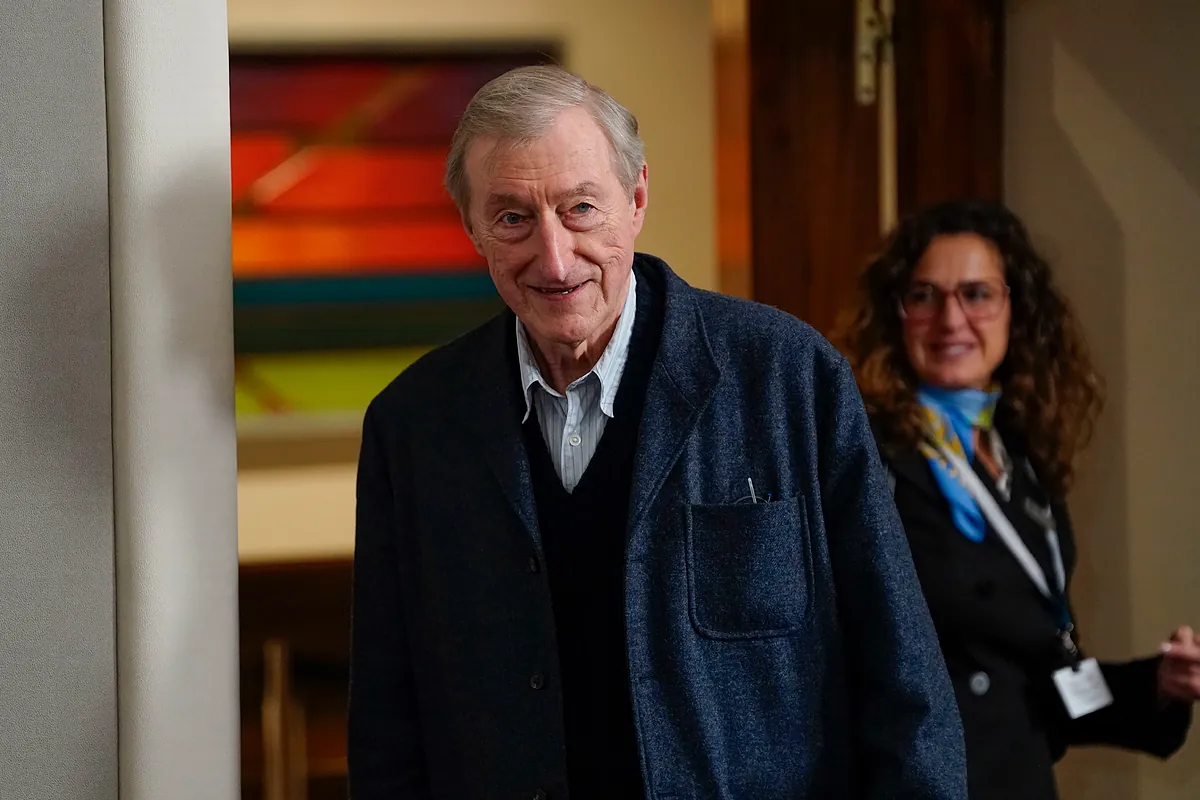
Julian Barnes doubts UK will return to EU during his lifetime
Award-winning British author Julian Barnes has stated that he does not expect to see the United Kingdom return to the European Union during his lifetime, blaming political fear surrounding Nigel Farage and his party. Elmundo.es reported the remarks on October 21, 2026, as the writer appeared at the Hotel Reconquista in Oviedo to accept the Princess of Asturias Award for Literature.
Literary Retirement Marked by Novel Despedida
Barnes addressed questions regarding his final novel, Despedida, published earlier this year by Anagrama. The work deals with episodes prompted by a blood cancer affecting the author.
Brexit Described as an Economic, Political, and Moral Disaster
The conversation shifted from literature to politics following recent remarks by Andy Burnham suggesting a potential path back to the European Union. Barnes opposed the original exit alongside generational peers like Ian McEwan, though he anticipated the outcome. He described the last decade as depressing and characterized the Brexit process as a complete failure. British prime ministers over the past ten years have avoided pursuing a return due to anxiety over Nigel Farage and his political movement. Barnes expressed personal optimism compared to a decade ago, but noted that any future reintegration depends on the terms European nations would demand for a renewed relationship.
From London Metro Readers to International Literary Legacy
Reflecting on his upbringing, Barnes recalled his early life as an introverted teenager reading Crime and Punishment on the London Metro while dressed in military attire for school training exercises. He contrasted that youthful illusion of patriotism with the deeper human truths found in literature. That perspective shaped a career spanning fifteen novels under his own name, several essay collections, short story volumes, and detective fiction written under the pseudonym Dan Kavanagh. His works include Flaubert’s Parrot, The Noise of Time, and England, England, establishing him as a prominent figure of the Granta generation alongside authors such as Martin Amis, Kazuo Ishiguro, and William Boyd.