
Ukraine Faces a Deadly Winter as Russian Strikes Cripple Energy Infrastructure
as winter tightens it’s grip on ukraine, a new adn terrifying threat is emerging: the cold. Relentless Russian attacks on the nation’s energy infrastructure are leaving millions without heat, electricity, and water, pushing families too the brink and creating a “national-scale emergency on top of the war,” according to UNICEF. The situation is particularly dire for children, whose lives are increasingly consumed by survival rather than the joys of childhood.
A Nation Battling the Cold
The current crisis follows a pattern of deliberate targeting of Ukraine’s power grid, with recent attacks focused on the Zaporizhzhia and Kharkiv oblasts. These strikes have plunged residential areas into darkness and cold,forcing residents to find desperate measures to stay warm.Munir Mammadzade, UNICEF Country Representative in Ukraine, revealed the heartbreaking reality of families “stuffing even soft toys into their windows to block some of the freezing cold.”
Temperatures in Kyiv have already plummeted to -15°C (5°F), and forecasts predict even colder weather next week. This poses an immediate and life-threatening risk to millions of Ukrainians, especially the most vulnerable.
The Human Cost: Stories from the Ground
The impact of these attacks extends far beyond statistics. Stories like that of Svitlana, a Kyiv resident, illustrate the daily struggles faced by ordinary Ukrainians. Living on the 10th floor of her building with her three-year-old daughter,Adina,Svitlana has endured days without heating or electricity.She is forced to navigate dark stairwells to reach a warming tent set up by Ukraine’s State Emergency services, where she can access basic necessities like warmth, food, and psychological support.
Jaime Wah, from the International federation of Red Cross and Red Crescent Societies (IFRC), echoed these concerns, noting that while power has been restored relatively quickly in some areas like Kharkiv and Odesa, Kyiv is facing a more sustained and widespread outage, impacting a larger population.
A Shift in Humanitarian Focus
Traditionally,humanitarian aid in Ukraine has been concentrated on frontline areas.Though, the deliberate targeting of civilian infrastructure is forcing a shift in focus. The needs of those living in urban centers, particularly in apartment buildings, are becoming increasingly urgent. Providing access to warmth, shelter, and essential supplies is now paramount.
UNICEF is responding by supporting communal tents where vulnerable people can find respite from the cold, access food and supplies, and receive psychological support. these tents offer a vital lifeline for families struggling to cope with the harsh conditions.
The Vulnerability of Children
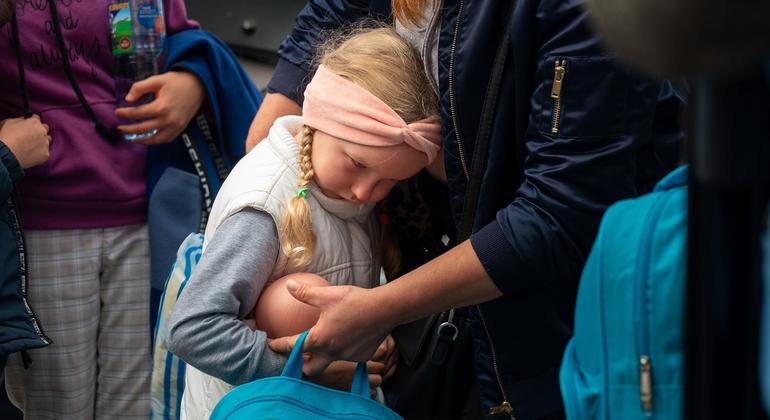
Children are disproportionately affected by the crisis. Beyond the immediate physical dangers of hypothermia and respiratory illness, the constant threat of cold and darkness is taking a significant toll on their mental health. UNICEF warns that the ongoing conflict and now the energy crisis are robbing children of their childhoods, replacing them with a constant state of survival. The agency has reported an 11% increase in verified child casualties in 2025 compared to the previous year, highlighting the escalating dangers they face.
Newborns and infants are particularly vulnerable, as they lose body heat rapidly and are at a higher risk of life-threatening conditions without adequate warmth and medical care.
Looking Ahead: A Winter of Uncertainty
The situation in Ukraine remains precarious. Continued attacks on energy infrastructure, coupled with the harsh winter conditions, threaten to exacerbate the humanitarian crisis. International aid and support are crucial to helping Ukrainians survive this challenging period. The focus must remain on protecting the most vulnerable, especially children, and ensuring they have access to the basic necessities of life.As the conflict continues, the resilience of the Ukrainian people will be tested like never before, and the world must stand with them in their hour of need.
Published: 2026/01/23 18:39:20
