
Ukraine Under Siege: Newly Surfaced Visuals Detail WWII Brutality & Complexities
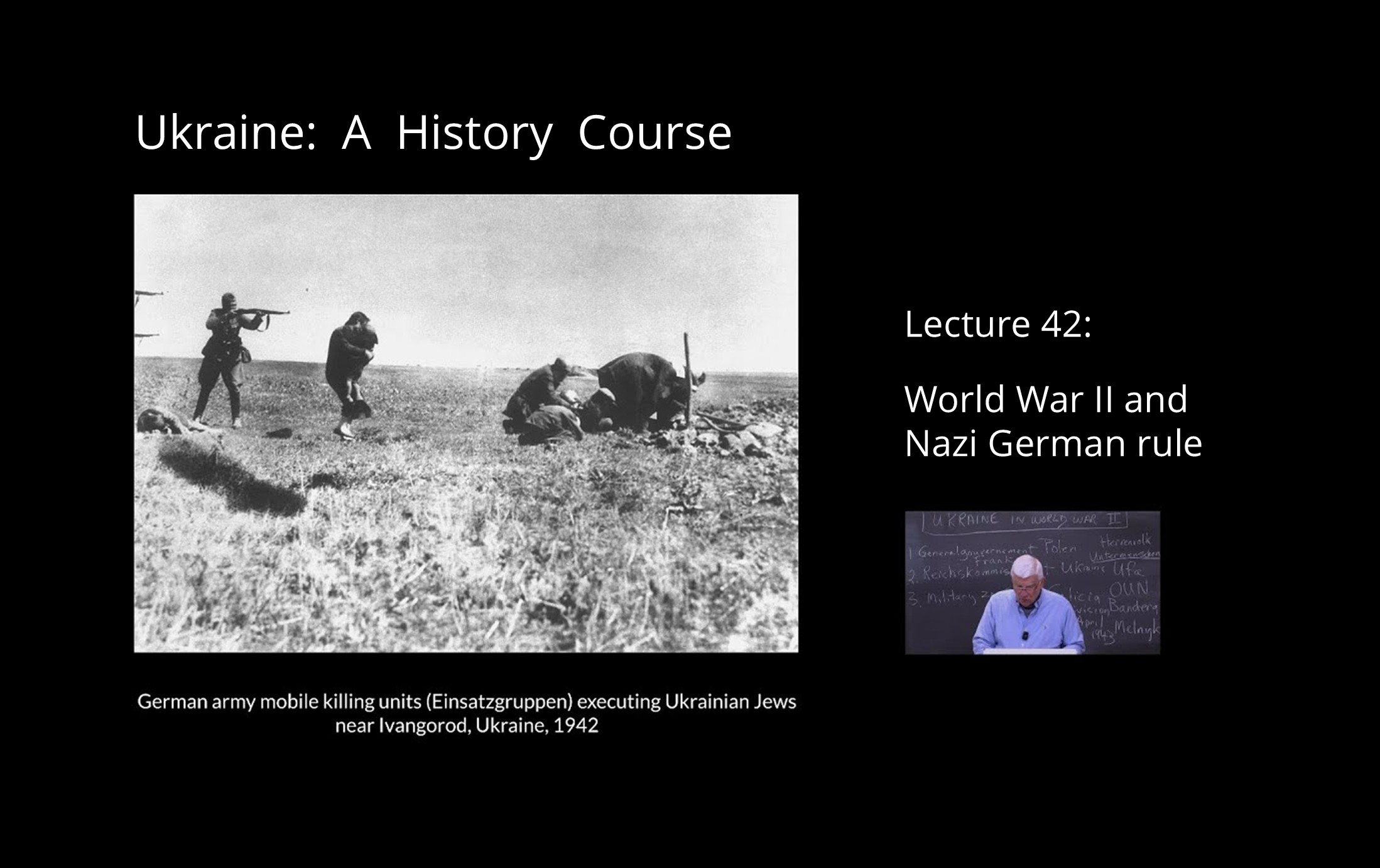
Newly digitized photographs and maps reveal harrowing details of Nazi Germany’s occupation of Ukraine during World War II, alongside the complex and often brutal dynamics between Ukrainian nationalist groups, Soviet partisans, and the civilian population. A recent lecture by Robert Paul Magocsi,Chair of Ukrainian Studies at the University of Toronto,presented these visuals,offering a stark reminder of the region’s suffering and the enduring legacy of the conflict as Ukraine again faces external aggression.
The period between 1941 and 1944 witnessed systematic atrocities committed by Nazi Einsatzgruppen – special extermination task forces – against Ukrainian Jews. Images depict German officers executing jewish civilians near Vinnytsia and Ivangorod, underscoring the scale of the Holocaust on Ukrainian soil. These killings occurred alongside the exploitation of Ukrainian resources and people, including the forced deportation of Ukrainians to germany as Ostarbeiter – forced laborers – in 1942. The lecture highlights the deliberate attempts to erase evidence of these massacres, with Soviet POWs compelled to destroy remains at Babyn Yar in October 1943.
Amidst this devastation, acts of resistance and rescue emerged. Metropolitan Andrey Sheptytskyi, a Ukrainian Greek Catholic leader, orchestrated the saving of Jewish children, including Levko Chaminski (later Dr. Leon Chameides), who was sheltered with others at the Monastery of the Assumption of the Virgin Mary at Univ in 1943. This stands as a testament to individual courage in the face of widespread inhumanity.
The Nazi occupation also exacerbated existing tensions between Ukrainian and Polish populations in volhynia, leading to retaliatory violence. Villages were burned by both the Ukrainian Insurgent Army and Polish guerilla forces during 1941 and 1943, illustrating the descent into ethnic conflict. Simultaneously, Ukrainian partisan units, such as those led by Sydir Kovpak, engaged in daring raids against German forces in the Carpathian Mountains in June 1943.
The lecture, delivered in September 2023, draws upon historical research detailed in Magocsi’s A History of Ukraine: The Land and It’s Peoples (University of Toronto Press, 2010).The presentation of these images and historical context serves as a crucial reminder of Ukraine’s turbulent past, informing a deeper understanding of the present challenges facing the nation. The presence of Erich Koch, chief Nazi official near Vinnytsia, during a meeting with Adolf Hitler in the summer of 1942, exemplifies the high-level coordination of the occupation and its brutal policies.
