
UK Government Faces Scrutiny Over Potential Dealings with OpenAI Amidst AI Copyright Debate
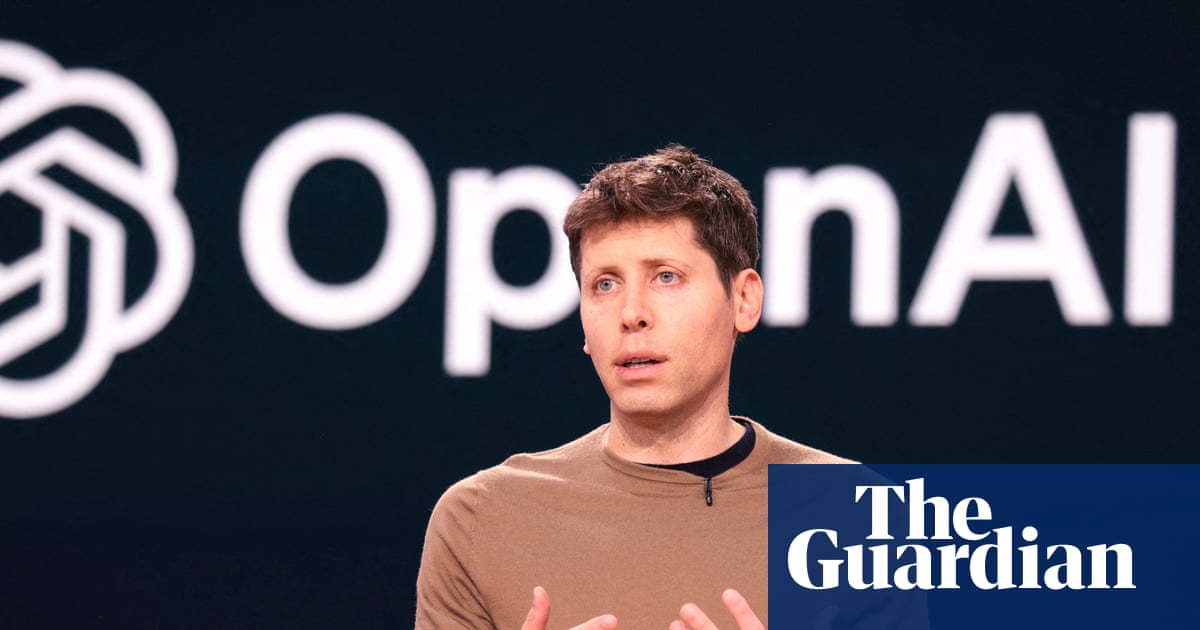
London, UK – The UK government is facing increasing questions regarding its relationship with OpenAI, the company behind ChatGPT, as concerns mount over proposed changes too copyright law and the potential for preferential treatment towards big tech in the rapidly evolving artificial intelligence landscape. While the government denies any specific proposals to subsidize access to ChatGPT Plus for UK residents, scrutiny is intensifying over its broader engagement with the AI giant and its handling of copyright issues related to AI training data.
The controversy centers on planned revisions to UK copyright law that would allow AI companies to utilize copyrighted material to train their models without explicit permission from rights holders, operating on an “opt-out” basis. This proposal has sparked significant backlash from prominent artists, including Elton John and Tom Stoppard, who fear it will devalue their work and undermine the creative industries. They argue the changes, initially proposed in December 2024, unfairly favor AI firms at the expense of creators.
Critics allege the Labor government has become overly influenced by big tech companies, a claim echoed by peers who suggest the current consultation process is skewed in favor of AI firms. “We don’t recognize these claims,” a government spokesperson stated, asserting that they are “working with OpenAI and other leading AI companies to explore investment in UK infrastructure, improve public services and rigorously test the security of new technology before it is made public.”
The debate arrives as generative AI tools like ChatGPT gain widespread adoption. ChatGPT functions by analyzing vast datasets of existing text, images, videos, and music, raising concerns about potential copyright infringement. The technology has also been criticized for disseminating inaccurate data and providing harmful advice, as highlighted by a recent case involving a US man receiving incorrect health information.
UKAI, the trade body representing the UK’s artificial intelligence industry, has countered the criticism, arguing that the government’s focus is too heavily weighted towards large technology companies, possibly hindering the growth of smaller AI businesses.
The science and technology department confirmed it has not advanced any proposals to provide UK residents with access to ChatGPT Plus, nor has it discussed such a plan with other government departments. However,the broader implications of the proposed copyright changes and the government’s engagement with OpenAI remain under intense scrutiny,highlighting the complex challenges of regulating a rapidly evolving technology while balancing the interests of creators,innovators,and the public.
Evergreen Context: The AI copyright Conundrum
The core of this debate lies within a fundamental question: how should copyright law adapt to the age of artificial intelligence? Traditional copyright law is designed to protect the rights of human creators. Though, AI models learn by processing and analyzing massive amounts of copyrighted material.
The Training Data Problem: AI models require vast datasets for training.If these datasets include copyrighted works, does the AI’s output infringe on those copyrights? Current legal frameworks are struggling to address this.
Fair Use vs. Infringement: Arguments for allowing AI to use copyrighted material often center on the concept of “fair use” – the idea that limited use of copyrighted material for purposes like criticism,commentary,or education is permissible. Though, the scale and commercial nature of AI training raise questions about whether this applies.
Opt-In vs. Opt-Out: The UK’s proposed “opt-out” system differs from approaches in other jurisdictions. An “opt-in” system would require AI companies to obtain permission from copyright holders before using their work, offering greater control to creators.
Global Implications: The debate isn’t limited to the UK. Similar discussions are taking place in the US, the EU, and other countries, with potentially far-reaching consequences for the future of AI progress and the creative industries.
