UK Thwarts Russian Plot to Sabotage Atlantic Undersea Cables
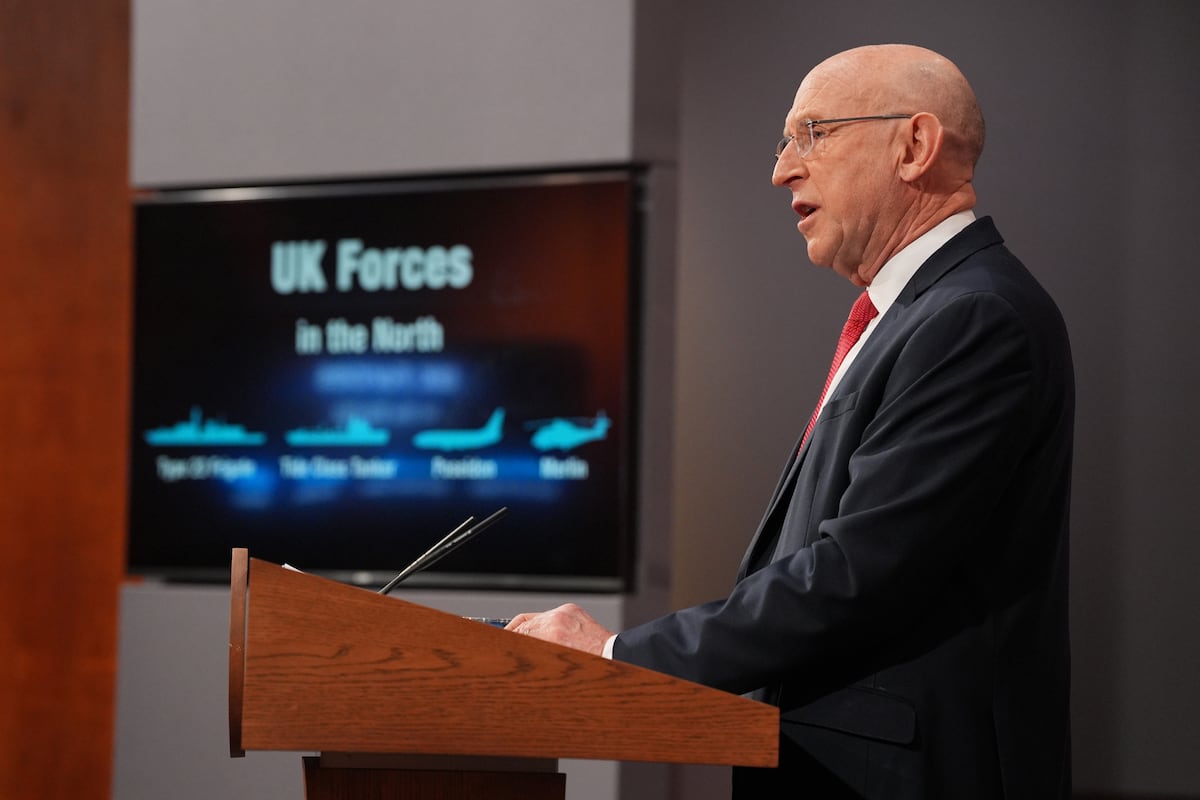
UK Defense Secretary John Healey has exposed a month-long joint operation with Norway and allies to track Russian submarines in the Atlantic. The mission aimed to prevent the sabotage of critical undersea cables and pipelines, as the Kremlin exploits global attention on Middle East conflicts to destabilize Western infrastructure.
This isn’t just a military skirmish. We see a direct assault on the invisible nervous system of the global economy. The Atlantic seabed carries the vast majority of the world’s internet traffic and energy supplies. When a submarine looms over a fiber-optic cable, the risk isn’t just a localized blackout—it is the potential for a systemic financial collapse and the severance of diplomatic communications between North America and Europe.
The timing is calculated. By leveraging the chaos of the ongoing conflicts in the Middle East, Moscow is testing the perimeter of NATO’s maritime awareness. The vulnerability of these “dark” assets—infrastructure that is difficult to monitor and even harder to repair—creates a precarious gap in national security.
The Invisible Frontline: Why the Atlantic Seabed Matters
Most people view the ocean as a void. In reality, it is a crowded highway of data. Submarine cables are the backbone of the digital age, facilitating trillions of dollars in daily transactions. A coordinated strike on these lines would trigger immediate volatility in global markets, disrupting everything from high-frequency trading to basic government services.
The operation led by the UK and Norway focuses on “gray zone” warfare—activities that stop just short of open conflict but achieve strategic goals through coercion and sabotage. By deploying specialized warships and combat aircraft, the UK is attempting to signal that the Atlantic is not an unmonitored playground for the Kremlin.
“The shift from traditional naval warfare to the targeting of critical seabed infrastructure represents a fundamental change in the threat landscape. We are no longer just defending borders; we are defending the very conduits of modern civilization.”
This shift places an immense burden on regional economies, particularly in coastal hubs like Scotland, Ireland, and the US East Coast. If a cable is severed, the immediate fallout isn’t just slow internet; it is the disruption of logistics, port operations, and energy grid management. For businesses operating in these zones, the need for specialized risk management consultants has transitioned from a luxury to a necessity to ensure operational continuity during a digital blackout.
Mapping the Vulnerability Gap
The Russian GUGI (Main Directorate of Deep Sea Research) is notorious for its ability to operate at extreme depths. Their capability to deploy unmanned underwater vehicles (UUVs) allows them to map and potentially compromise pipelines and cables without ever being detected by standard sonar.

To understand the scale of the threat, we must look at the historical precedent and the current geopolitical alignment:
| Threat Vector | Immediate Impact | Long-term Systemic Risk |
|---|---|---|
| Fiber-Optic Cable Cut | Regional Internet Outages | Global Financial Market Volatility |
| Pipeline Sabotage | Energy Price Spikes | Long-term Energy Insecurity in EU |
| UUV Surveillance | Loss of Stealth Capabilities | Compromised NATO Naval Strategy |
The geopolitical ripple effect extends far beyond the military. When infrastructure is threatened, insurance premiums for maritime shipping skyrocket. Companies are now forced to seek international maritime lawyers to navigate the complex “force majeure” clauses in their contracts, as “acts of war” in the gray zone create legal ambiguity regarding liability and loss.
Regional Anchors and the Cost of Defense
The operation’s reliance on Norway highlights the strategic importance of the North Atlantic and Arctic corridors. Norway’s geography makes it the “gatekeeper” for Russian naval movements exiting the Barents Sea. This puts immense pressure on Norwegian municipal infrastructures and coastal security forces to maintain a state of constant readiness.
In the UK, the focus is on the “Cable Landing Stations”—the physical points where the undersea cables meet the land. These sites are often located in quiet, coastal towns, making them soft targets for terrestrial sabotage if the undersea operation fails. Local jurisdictions are now scrambling to update zoning laws and security protocols to protect these critical nodes.
The financial burden of this constant surveillance is staggering. The cost of deploying fighter jets and frigates for a month-long patrol is not merely a line item in a defense budget; it is a diversion of resources from other domestic priorities. This creates a vacuum in civil infrastructure maintenance, leading many municipalities to rely on private civil engineering firms to fortify their own critical utility networks against potential collateral damage.
“We are seeing a convergence of cyber and physical threats. A cable cut is essentially a physical denial-of-service attack on a continental scale.”
For more detailed analysis on the technical specifications of these cables and the treaties governing them, the United Nations Convention on the Law of the Sea (UNCLOS) provides the legal framework, though it is increasingly strained by the realities of modern hybrid warfare.
Beyond the Headlines: The Evergreen Threat
The current operation is a temporary fix. The fundamental problem remains: the world’s connectivity relies on a fragile, aging, and largely unprotected network of wires on the ocean floor. As long as the tension between the West and Russia persists, the Atlantic will remain a theater of silent conflict.
We are entering an era where “security” is no longer just about walls and soldiers, but about the integrity of a glass fiber the size of a human hair. The ability to maintain these lines in the face of state-sponsored sabotage will define the economic winners and losers of the next decade.
The danger is that we treat this as a one-off event. It is not. It is the new baseline of international relations. The Kremlin has signaled that the seabed is a legitimate target, and the response must be equally systemic. This requires a fusion of government intelligence, private sector vigilance, and a global directory of experts capable of rapid response.
Whether you are a corporate executive securing your data redundancies or a municipal leader protecting your town’s connectivity, the window for complacency has closed. The silent war beneath the waves is already here, and the only defense is a network of verified, professional expertise. When the lights go out or the data stops flowing, knowing exactly which verified infrastructure specialists to call will be the difference between a temporary glitch and a permanent catastrophe.