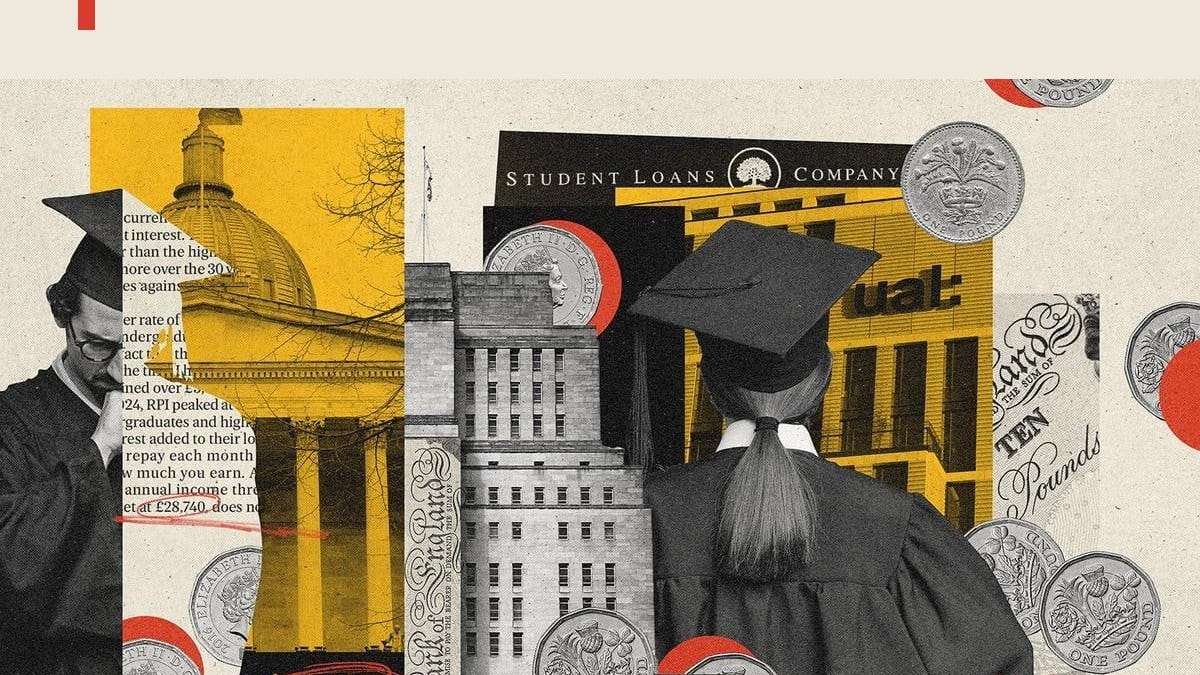
UK Government keeps Plan 2 student loan repayment threshold frozen
Plan 2 university graduates in the United Kingdom earning £40,000 face annual repayments of approximately £955, while those earning £50,000 pay about £1,855 under a repayment threshold frozen at £29,385 until April 2030, factsarefriends.substack.com reported.
Autumn Budget Silence on Threshold Freezes
When the Government delivered its Autumn Budget on October 28, the Plan 2 repayment-threshold freeze was not reversed. The threshold remains pinned at £29,385. Under the mechanics of the system, graduates pay 9% of earnings above that boundary. When wages rise due to inflation while the repayment threshold stays flat, borrowers pay more even though their purchasing power has barely improved. This dynamic, known as fiscal drag, functions as an unannounced tax increase.
The Closing Gap with the National Living Wage
The National Living Wage for workers aged 21 and over is £12.71 an hour as of April 2026. A 40-hour workweek over 52 weeks produces roughly £26,437 annually. The scheduled April 2027 rate of £13.21 an hour will yield approximately £27,477 on the same basis. With the Plan 2 repayment threshold fixed at £29,385, the gap between statutory minimum earnings and the point at which graduate loan deductions begin is narrowing fast.
A repayment mechanism originally justified by the additional earnings associated with a university degree approaches a point where it applies directly to minimum-wage employment. Borrowers on modest earnings find themselves expected to contribute before basic financial security is assured.
Career Interruptions Increase Student Loan Balances
The student-loan structure penalizes career interruptions, such as taking time out of paid employment to care for children. Two graduates owing £62,000 and earning £85,000 a year experience different outcomes based on continuity of employment. One works continuously. The other takes a 24-month break to care for a child before returning to the same salary.
During that two-year absence, repayments stop while interest continues to accrue. Using an assumed repayment threshold of £29,385 and interest rates of 6% while working alongside 4.1% during the career break, the outstanding balance after two years reaches approximately £67,289 for the parent. The continuously employed graduate sees a balance of approximately £59,276. That represents a difference of more than £8,000 on identical initial borrowing.
The uninterrupted graduate clears the loan after approximately 22 years and nine months, having repaid £113,694. The parent takes approximately 29 years and six months to clear the debt, paying a total of £137,407. That is an additional £23,713 in repayments, with the obligation lasting nearly seven years longer.

Forecasts for Newer Cohorts
Department for Education forecasts highlight the divergence between loan plans. The Government expects 55% of that cohort to repay in full. By contrast, the equivalent forecast for the 2022–23 Plan 2 cohort stood at approximately 32%.
Plan 5 generally permits repayments to continue for up to 40 years, compared to 30 years for Plan 2. The newer system ensures a greater proportion of graduates repay their debts over an extended timeframe, altering the long-term financial reality for households managing mortgages, savings, and career choices.