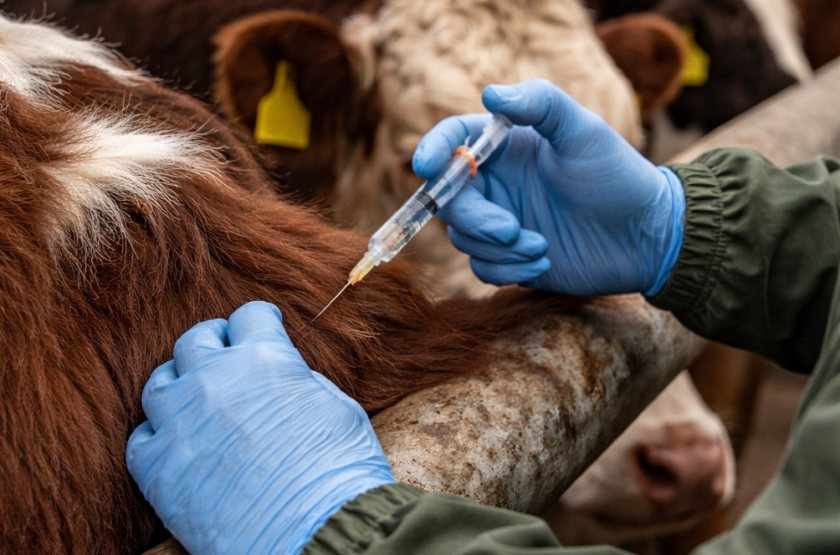
UK Farmers Urged to Vaccinate Livestock as Bluetongue Virus Spreads
The United Kingdom faces a mounting epidemiological challenge as bluetongue virus (BTV) cases reach 517 confirmed incidents, with 496 of those localized in England. The National Farmers’ Union (NFU) has issued an urgent directive for livestock owners in the South East to initiate vaccination protocols immediately to mitigate the risk of further viral transmission.
- Bluetongue virus is an insect-borne pathogen transmitted by biting midges.
- The virus does not pose a zoonotic risk to humans and has no impact on food safety standards.
Pathogenesis and Vector Dynamics of BTV
Bluetongue virus is a pathogen that relies on biological vectors for transmission. The clinical presentation in livestock varies by species; while sheep often suffer high mortality rates, cattle frequently experience reproductive complications, including spontaneous abortion, temporary infertility in bulls, and congenital deformities in neonates.
The current outbreak trajectory is highly dependent on environmental conditions, particularly wind patterns. Hugh Broom, livestock board chair for the East of England, noted that wind-borne migration of infected midges remains a significant risk factor for regions currently experiencing lower case counts.
Clinical Mitigation and Farm-Level Management
Beyond vaccination, the NFU recommends non-pharmacological interventions to reduce the probability of exposure. These include housing vulnerable livestock during peak midge activity periods—specifically dawn and dusk—and relocating stock away from low-lying, wet, or sheltered areas where midge populations thrive.

Epidemiological Surveillance and Regulatory Outlook
The persistence of the virus across the UK, with documented cases extending into Scotland and the South West, highlights the shifting geography of the disease.
Future Trajectory of BTV Management
Disclaimer: The information provided in this article is for educational and scientific communication purposes only and does not constitute medical advice. Always consult with a qualified healthcare provider regarding any medical condition, diagnosis, or treatment plan.