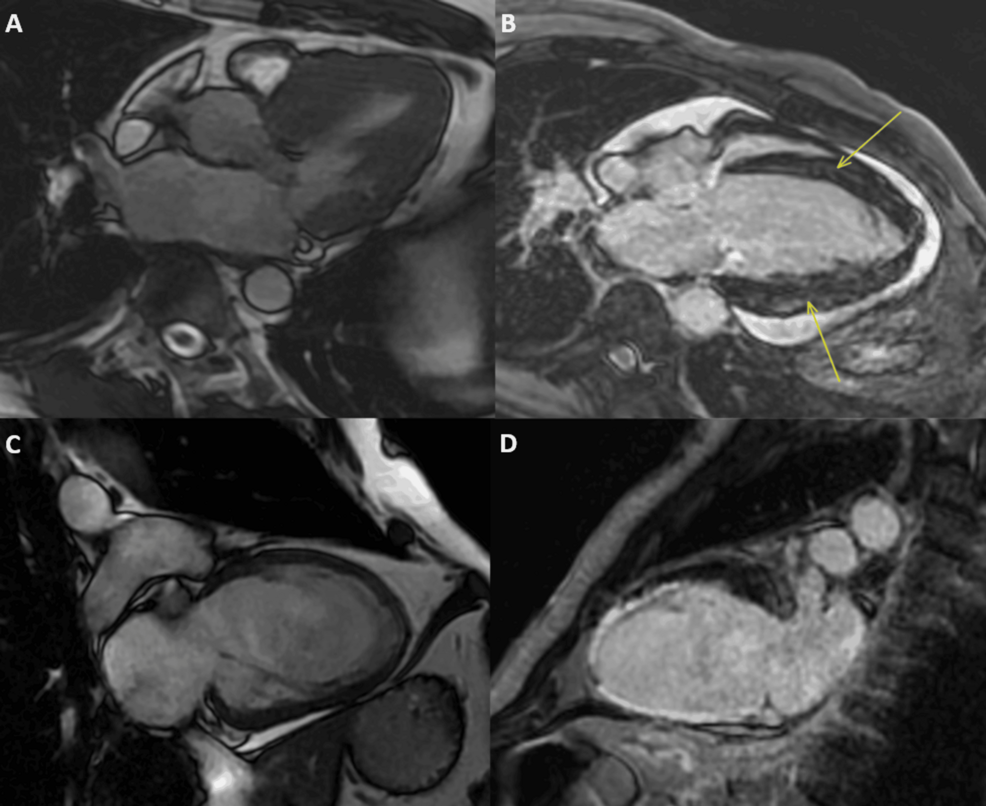
Cardiac MRI in Rural Hospitals: Clinical Impact and Utilisation Patterns
Cardiac magnetic resonance imaging (CMR) deployment in a rural hospital setting demonstrates significant utility in diagnosing complex cardiovascular diseases, shifting specialized diagnostic capabilities beyond traditional metropolitan medical centers, according to recent findings published in Cureus.
- Rural deployment of cardiac MRI effectively manages regional diagnostic gaps for myocardial inflammation, ischemia, and cardiomyopathy.
- Utilization patterns mirror tertiary care indications, predominantly focusing on ventricular function assessment and viability imaging.
- Access expansion via regional imaging models significantly reduces the morbidity risks associated with delayed diagnostic travel for rural populations.
Evaluating Diagnostic Indication Patterns in Non-Urban Cohorts
Rural healthcare facilities historically face severe infrastructure limitations when managing advanced diagnostic modalities like cardiovascular magnetic resonance imaging. Recent peer-reviewed data highlights a changing paradigm in service delivery models, demonstrating that localized deployment successfully captures diverse clinical indications. Pathologies including suspected myocarditis, stress-induced cardiomyopathy, and ischemic heart disease require high-resolution tissue characterization that standard echocardiography often fails to provide definitively. By establishing these capabilities regionally, rural medical centers can bypass critical delays in establishing a definitive diagnosis and initiating targeted medical management.
For healthcare providers managing patients with complex, atypical chest pain or unexplained heart failure, timely imaging remains essential. It is highly recommended to consult with vetted board-certified cardiologists and advanced imaging specialists to determine appropriate referral pathways for comprehensive cardiac evaluations.
Service Delivery Models and Clinical Impact on Patient Outcomes
The integration of specialized imaging into rural clinical workflows alters the standard of care by mitigating geographic disparities in cardiovascular medicine. According to the data evaluated in the Cureus report, rural utilization patterns closely parallel those observed in major academic medical centers, prioritizing tissue characterization and late gadolinium enhancement protocols. These techniques allow clinicians to differentiate between ischemic and non-ischemic myocardial injuries with high diagnostic accuracy, directly influencing therapeutic interventions and minimizing unnecessary invasive procedures.
Optimizing operational pathways requires seamless coordination between rural referring physicians and tertiary diagnostic hubs. Facilities seeking to refine their diagnostic protocols often engage specialized healthcare compliance and operational consulting firms to streamline patient transfer protocols and ensure adherence to regional imaging standards.
Addressing Structural Barriers in Advanced Cardiac Diagnostics
Deploying sophisticated imaging hardware in non-metropolitan environments involves complex logistical hurdles, ranging from specialized staffing requirements to equipment maintenance and rigorous patient screening protocols for metallic contraindications. Despite these hurdles, the clinical impact documented in recent studies underscores the viability of decentralized advanced cardiac imaging. Accurately identifying structural heart disease and myocardial fibrosis locally prevents disease progression and reduces overall patient morbidity.
When localized rural infrastructure requires supplementary diagnostic support, coordinating care with accredited regional diagnostic networks ensures patients receive comprehensive evaluations. Clinicians can coordinate complex testing schedules by partnering with As imaging technology advances, the successful implementation of cardiac MRI in rural hospitals serves as a blueprint for addressing healthcare delivery inequalities. Future clinical focus will likely center on optimizing scan protocols to reduce acquisition times and expanding specialized training for local radiologic technologists. Bridging the gap between urban-centric technology and rural patient populations remains vital for comprehensive cardiovascular care. *Disclaimer: The information provided in this article is for educational and scientific communication purposes only and does not constitute medical advice. Always consult with a qualified healthcare provider regarding any medical condition, diagnosis, or treatment plan.*Future Trajectory of Decentralized Cardiac Imaging