UdeA Medical Specialization Exam: Million-Dollar Fraud Scandal Uncovered
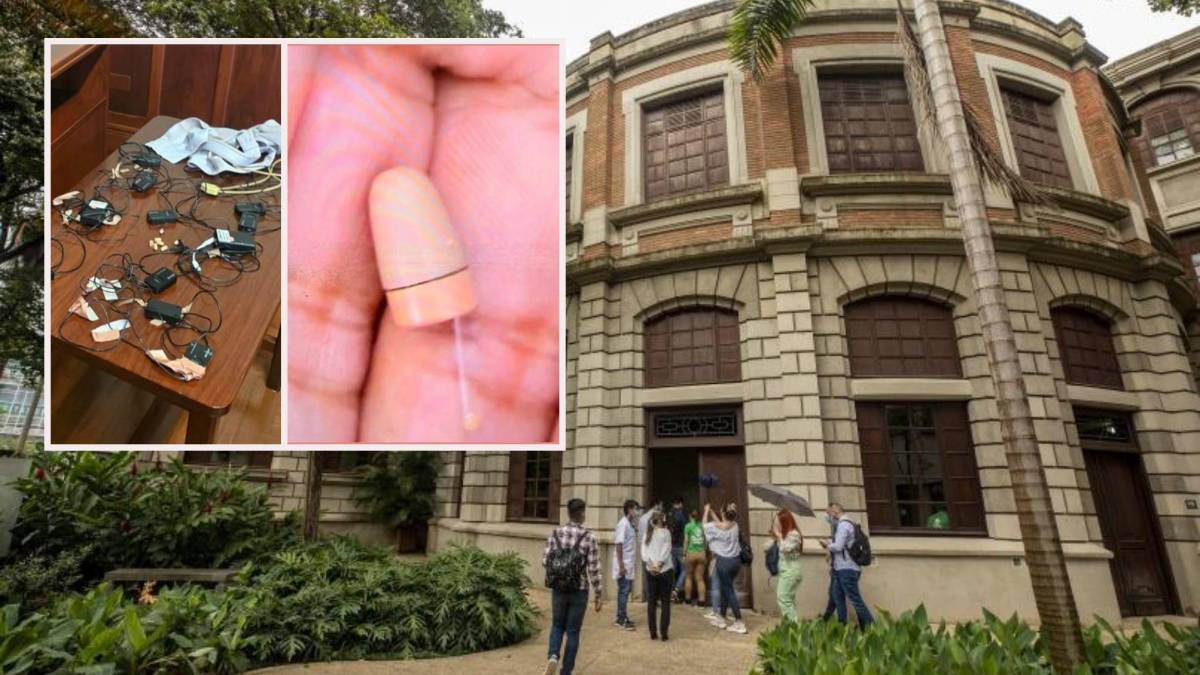
Over 40 licensed physicians are under investigation for sophisticated fraud during the April 10 admission exams for medical specialties at the University of Antioquia in Medellín. A criminal network allegedly sold exam answers for up to 160 million pesos, utilizing high-tech gear and coded clothing to bypass security protocols.
This represents not a simple case of student desperation. This is a systemic breach of professional integrity. When titled doctors—professionals already practicing medicine and entrusted with human lives—resort to a criminal enterprise to secure a specialization, the damage extends far beyond a single test score. It is a direct assault on the public’s trust in the healthcare system.
The scale of the operation suggests a coordinated effort to compromise the meritocracy of one of Colombia’s most prestigious institutions. The University of Antioquia (UdeA) now finds itself at the center of a national scandal that questions the ethical foundations of the medical community in the region.
The Sophistication of the Scam
The methods used to cheat in the medical-surgical specialty exams were not improvised; they were engineered. The University of Antioquia identified more than 40 cases of irregularities, revealing a level of technical sophistication that mirrors corporate espionage rather than academic dishonesty.
The “toolkit” used by the applicants included:
- Invisible Audio Gear: The use of imperceptible earphones and intercoms to receive real-time answers.
- Visual Aids: Smart glasses and mobile phones used to transmit or receive data.
- Coded Apparel: In a bizarre twist of tactical cheating, applicants used specific clothing commands. Information was transmitted via integrated commands hidden in bras, t-shirts, and jackets.
It is a chilling realization that the very people trained to diagnose and treat illness were using their knowledge of anatomy and physiology to hide communication devices on their bodies.
The Price of Admission
Fraud of this magnitude requires significant capital. The University of Antioquia has sounded the alarm regarding a suspected criminal organization operating behind the scenes. This was a business transaction, not a momentary lapse in judgment.
The costs for these illicit services were staggering. The criminal network reportedly offered exam answers for sums ranging from 50 million to 160 million pesos. This financial barrier suggests that the perpetrators were not only driven by ambition but possessed the significant means to purchase their way into a specialty.
The existence of such a network implies a predatory relationship where the desire for professional prestige outweighs the oath of the profession. This financial incentive creates a dangerous precedent, suggesting that the path to medical specialization can be bought if the price is right.
Institutional Backlash and Ethical Collapse
The reaction from the medical community has been one of swift and severe condemnation. The Medical College of Cundinamarca and Bogotá (CMCB), through its Ethics Committee, has voiced its strongest rejection of these acts, labeling them a “blow to the confidence of society in the profession.”
The CMCB is not merely calling for academic failure; they are demanding professional erasure. They have urged the Regional Medical Ethics Tribunal of Antioquia and the National Tribunal to launch immediate disciplinary investigations. The goal is clear: apply the most severe sanctions possible to those involved.
“The fact that these behaviors were protagonized by titled doctors aggravates the situation, as these are professionals who already practice and who, in their search for a specialization, would have violated the basic principles of medical ethics.”
This scandal highlights a terrifying gap in professional vetting. If a physician is willing to commit fraud to enter a specialty, the question becomes: what other ethical corners are they cutting in the operating room or the clinic?
The Path to Accountability
The legal and professional fallout for the involved physicians will be immense. Beyond the loss of their chance at a specialization, they face the potential revocation of their licenses to practice medicine. Navigating the intersection of criminal law and professional ethics is a complex process that will likely seize months or years to resolve through the World Medical Association‘s general standards of ethics and local Colombian law.
For the individuals caught in this web, the immediate need is for specialized legal representation. Those facing these charges must secure vetted criminal defense attorneys who specialize in professional malpractice and administrative law to navigate the tribunal’s proceedings.
Simultaneously, the University of Antioquia must overhaul its security infrastructure. To prevent a recurrence, the institution will likely need to implement more rigorous biometric verification and signal-jamming technology. Many academic institutions are now turning to corporate compliance auditors to identify vulnerabilities in their high-stakes testing environments.
The University’s commitment to excellence is now under a microscope. While the Faculty of Medicine at UdeA has reaffirmed its commitment to ethics, the stain of this event will linger. The integrity of the medical-surgical specialty is paramount; a doctor’s skill must be proven by competence, not by the quality of their hidden earphones.
As the Regional Medical Ethics Tribunal begins its work, this case serves as a stark warning. The medical profession relies on a social contract of absolute trust. Once that contract is shredded for 160 million pesos, it cannot be easily taped back together. The industry must now decide if these individuals can ever be trusted with a scalpel again, or if their careers should end the moment the fraud was discovered.
For those seeking to verify the credentials of healthcare providers or find legal experts to handle professional ethics disputes, the World Today News Directory remains the primary resource for connecting with certified, transparent professionals worldwide.