North Carolina organizers work to boost 2026 voter engagement
North Carolina grassroots organizers are intensifying efforts to boost voter engagement ahead of the 2026 election cycle, targeting historically low turnout among young adults and formerly incarcerated residents. By shifting focus from national headlines to local governance, advocates aim to connect daily quality-of-life issues, such as road infrastructure and grocery prices, to the power of the ballot box.
Classroom strategies at Johnson C. Smith University
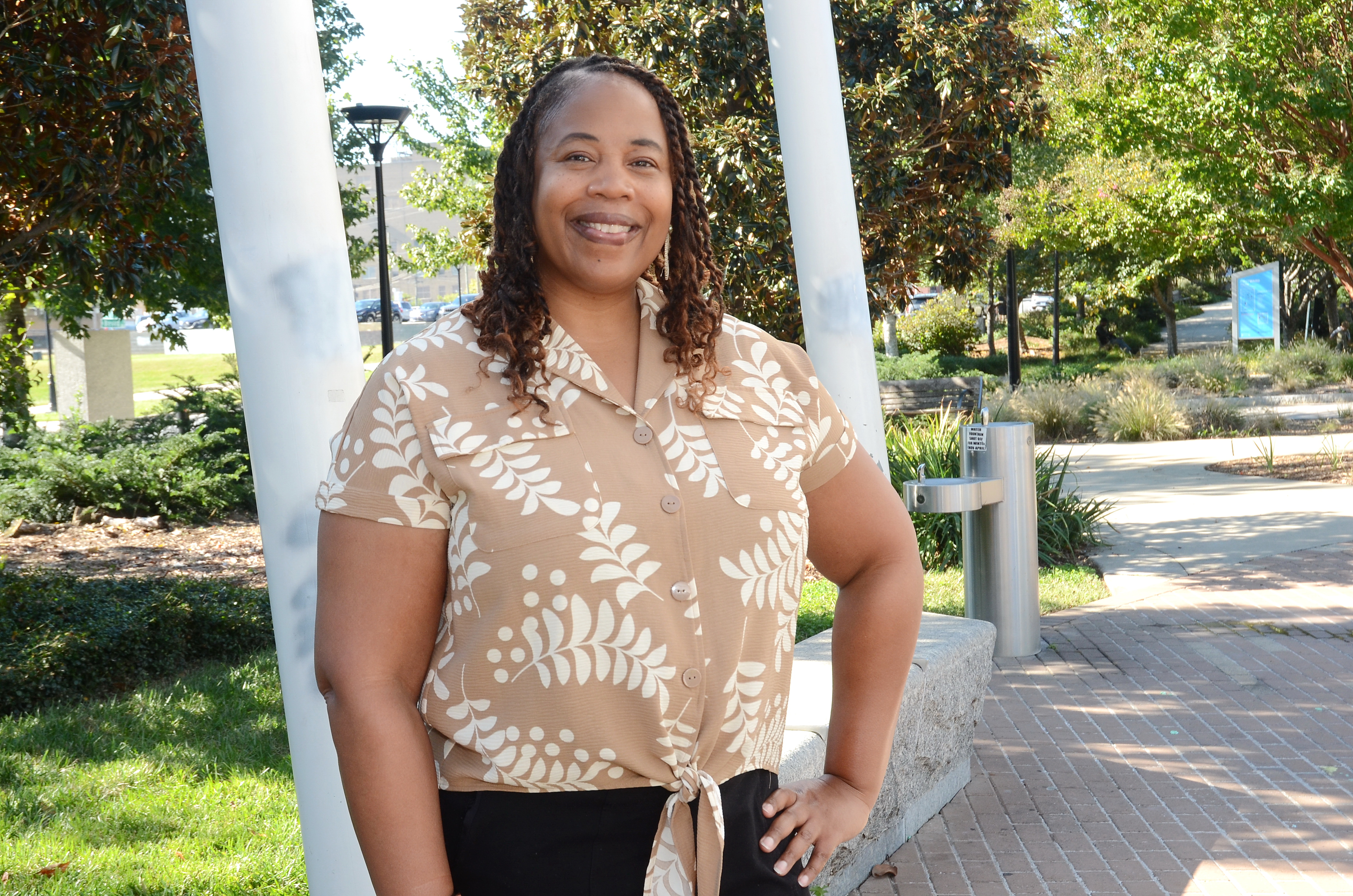
Jasmine Corbett-Warren, a professor of communications, rhetoric and culture at Johnson C. Smith University, teaches students that the impact of government extends far beyond the presidency. In her classroom, she emphasizes the influence of judges, school boards, and city councils on the immediate environment of Charlotte residents. According to The Charlotte Post, this pedagogical approach aims to demystify the political process for students who often view government as a distant entity.
Long-term registration data show why this work is urgent. Census figures show that since the turn of the 21st century, the average registration rate for 18-year-olds in midterm elections has remained below 30%. In 2024, only 44% of 18-year-olds were registered to vote, a sharp contrast to the 75% registration rate seen among Americans aged 45 and older. Corbett-Warren addresses this gap by encouraging nonpartisan voter literacy and helping students overcome logistical barriers, such as the relocation of polling sites away from college campuses.
Civic restoration for the formerly incarcerated
Daryl Atkinson, founder of the Charlotte-based Second Chance Federation, is working to mobilize a potential voting bloc of roughly 450,000 North Carolinians with past justice history. Atkinson notes that while employment and housing are immediate priorities for those returning to civilian life, participating in the electoral system is a necessary tool for policy change.

The right to vote is one piece of currency that they can use to try to create change.
Atkinson, who rebuilt his life after a 1996 conviction, argues that cynicism toward the government is common among Black and brown communities that have experienced systemic failure. His organization provides legal advocacy and rights restoration services, requiring participants to contribute to community activities like phone banking and neighborhood canvassing. By framing voting as a method of civic stewardship, the federation attempts to counteract feelings of political alienation.
Ground game expansion in North Carolina
Local organizations are prioritizing in-person, neighbor-to-neighbor communication. Alanna Joyner, communications director at Progress North Carolina, reports that the focus has shifted toward educating voters on down-ballot races, such as the North Carolina Supreme Court.
By emphasizing direct conversation, organizers hope to sustain momentum through the 2026 cycle and into 2028.
Looking toward the 2028 election cycle
The push for higher participation is rooted in the belief that personal narratives can bridge the gap between policy and individual experience. As campaigns for upcoming seats intensify, the focus remains on transforming sporadic interest into consistent civic participation.
Whether through student-led voter drives or legal support for those seeking to regain their citizenship, the goal is to create a durable, informed electorate. While the 2024 cycle saw a significant disparity in registration between younger and older demographics, organizers view the current climate of public concern as a potential turning point for long-term democratic participation in North Carolina.