
Alzheimer’s Protein Breakdown Mechanism Uncovered
Brain’s Immune Cells Hold Key to Clearing Toxic Buildup
A groundbreaking discovery by UCSF scientists sheds light on how the brain’s own immune cells can combat Alzheimer’s disease by clearing harmful protein clumps.
Microglia’s Crucial Role Revealed
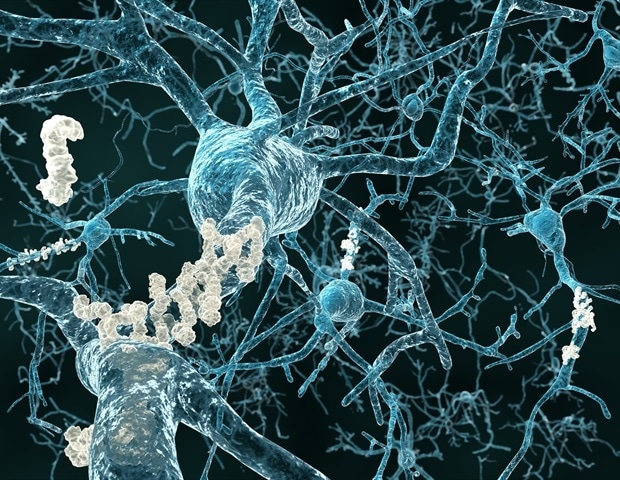
Researchers have identified a specific molecular receptor, ADGRG1, that acts as a crucial “on-switch” for microglia, the brain’s primary immune cells. This receptor enables them to effectively engulf and digest amyloid beta, a protein notorious for forming damaging plaques in Alzheimer’s patients.
Without ADGRG1, microglia show a significantly diminished ability to clear these toxic proteins. Studies using a mouse model of Alzheimer’s disease demonstrated that the absence of this receptor led to a rapid accumulation of amyloid plaques, resulting in neurodegeneration and impaired learning and memory.
“We think this receptor helps microglia do their job of keeping the brain healthy over many years.”
—Xianhua Piao, MD, PhD, Physician-Scientist, Department of Pediatrics, University of California – San Francisco
Genetic Clues Link Receptor to Disease Severity
Further analysis of human brain gene expression data revealed a strong correlation between ADGRG1 levels and Alzheimer’s severity. Individuals with milder forms of the disease exhibited microglia rich in ADGRG1, suggesting effective plaque clearance. Conversely, those with severe Alzheimer’s had significantly lower ADGRG1 levels, correlating with widespread plaque proliferation.
According to the Alzheimer’s Association, over 6 million Americans are currently living with Alzheimer’s disease, a number projected to rise significantly in the coming years (Alzheimer’s Association 2024).
Therapeutic Potential for ADGRG1
ADGRG1 belongs to the G protein-coupled receptor family, a class of molecules frequently targeted in drug development. This characteristic bodes well for the potential translation of this discovery into novel Alzheimer’s therapies.
“Some people are lucky to have responsible microglia,” stated **Piao**. “But this discovery creates an opportunity to develop drugs to make microglia effective against amyloid-beta in everyone.”
