
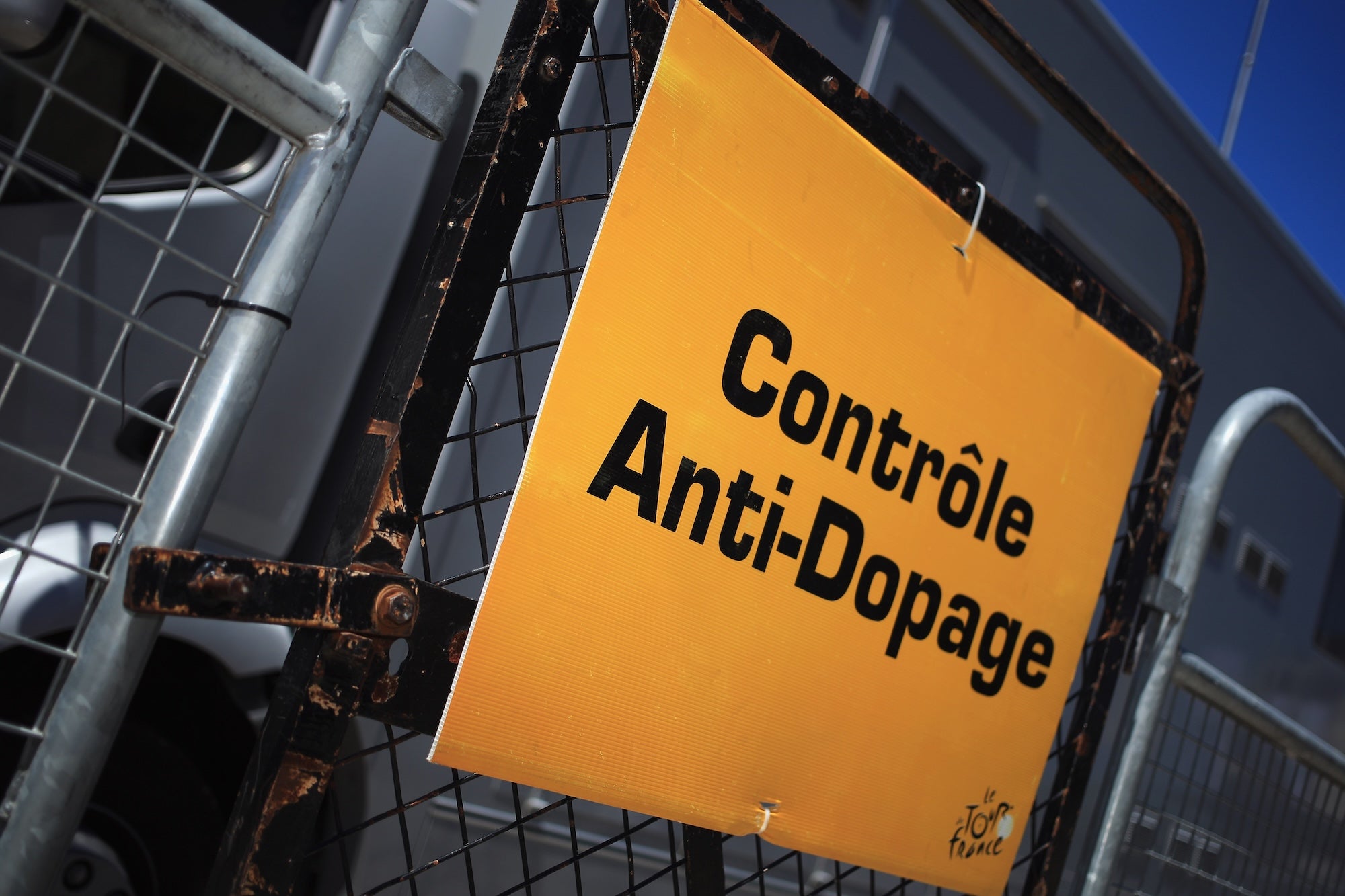
Gran Fondo World Champion Provisionally Suspended for Doping
The world of competitive cycling, even at the amateur level, has been rocked by another doping case. Matthew clark,a 41-year-old American cyclist,has been provisionally suspended by the UCI after testing positive for anabolic androgenic steroids at the 2025 UCI Gran Fondo World Time Trial Championship in Australia. This case highlights the ongoing challenges of maintaining fair play in masters and gran fondo racing,where anti-doping controls are often less stringent than in professional cycling.
The Details of the Case
Matthew Clark, from North Salt Lake City, Utah, secured a victory in the men’s 40–44 age group at the UCI Gran Fondo World Time Trial Championship on October 16, 2025. The UCI announced the positive test result on itS website on Tuesday, January 15, 2026. The specific anabolic androgenic steroids involved haven’t been publicly disclosed.
This isn’t Clark’s only recent success. He also claimed the U.S. national road title in the same age category earlier this year, further emphasizing the impact of this suspension. At the World Championship event, Clark completed the 22.9-kilometer out-and-back course along Australia’s Great Ocean Road in a remarkable time, besting a New Zealand rider by 20 seconds. He finished third overall out of 255 competitors across all age groups, maintaining an average speed of 44.89 kph.
what Happens Next?
A provisional suspension isn’t a final conviction. Clark has the right to challenge the findings before the UCI Anti-Doping Tribunal or the Court of Arbitration for Sport. If the suspension is upheld, he could face a ban of two years or more, effectively ending his competitive career in the masters category. The process involves presenting evidence, analyzing the testing procedures, and determining whether a violation of anti-doping rules occurred.
The Murky World of Masters and Gran Fondo Racing
This case isn’t an isolated incident. Over the past two decades, a concerning pattern of doping violations has emerged within masters racing and popular gran fondo events. The relative lack of rigorous anti-doping oversight in these competitions creates an environment where athletes may be tempted to gain an unfair advantage. Unlike the highly regulated WorldTour, where riders can face dozens of tests annually, masters riders often compete for years without ever being subjected to scrutiny.
Why is doping More Prevalent in Amateur racing?
Several factors contribute to this disparity:
- Limited Testing: Anti-doping controls are infrequent and often rely on limited budgets and volunteer efforts.
- Lack of Registered Testing Pools: masters riders aren’t typically included in registered testing pools, meaning they aren’t subject to random, out-of-competition testing.
- No Biological Passports: The complex biological passport system used in professional cycling, which tracks an athlete’s blood parameters over time to detect anomalies, isn’t employed in amateur racing.
- Financial Incentives: While not the same as professional prize money,some gran fondos offer ample prizes or sponsorships,creating a potential motivation for doping.
- Ego and Competition: The desire to win, particularly among competitive individuals, can sometimes override ethical considerations.
Although licensed masters riders are technically bound by UCI and WADA anti-doping rules, the practical request of these rules is substantially weaker than in professional cycling. This creates a loophole that some athletes exploit.
The Importance of Anti-Doping Efforts at All Levels
the Matthew Clark case serves as a stark reminder that doping isn’t confined to the elite ranks of cycling. Maintaining the integrity of the sport requires consistent and robust anti-doping efforts at all levels, from the WorldTour to local gran fondos. Increased testing, stricter penalties, and greater education are crucial to deterring athletes from using performance-enhancing drugs.
What Can Be Done to Improve Anti-Doping in Amateur Cycling?
Addressing the issue requires a multi-faceted approach:
- Increased Funding: More resources need to be allocated to anti-doping programs specifically targeting amateur cycling events.
- Targeted Testing: Focus testing on high-profile events and riders with suspicious results or patterns.
- Enhanced Education: Educate riders about the risks and consequences of doping, and also the importance of fair play.
- Collaboration: Strengthen collaboration between national anti-doping organizations,the UCI,and event organizers.
- Whistleblower Protection: encourage individuals to report suspected doping violations without fear of retribution.
Key Takeaways
- Matthew Clark, a Gran Fondo World Time Trial Champion, has been provisionally suspended for doping.
- Doping remains a concern in masters and gran fondo racing due to lax anti-doping controls.
- Increased testing, education, and collaboration are essential to maintaining the integrity of the sport at all levels.
- The case highlights the need for consistent application of anti-doping rules across all categories of cycling.
the outcome of Clark’s case will be closely watched by the cycling community. It underscores the ongoing battle against doping and the importance of safeguarding the fairness and integrity of the sport, nonetheless of the rider’s level of competition. As anti-doping technology and detection methods continue to evolve, it is crucial that enforcement efforts keep pace to ensure a level playing field for all athletes.
