UCI Gravel World Championships in Nannup: The First Real Gravel Course?
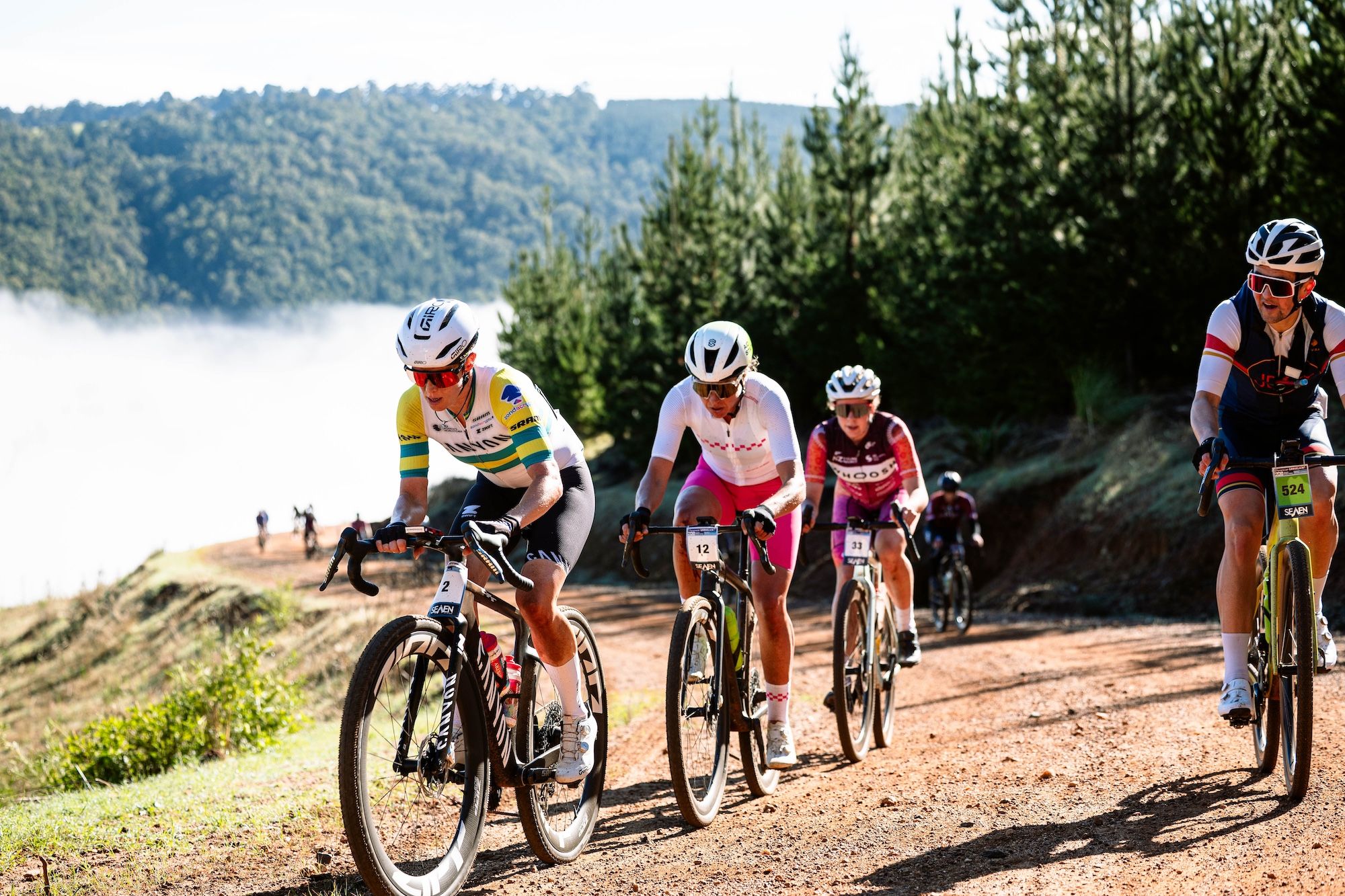
The UCI Gravel World Championships in Nannup, Western Australia, features a course composed of 85% gravel for men and 84% for women, unlike previous European editions. The remote location and expansive unpaved road networks have created expectations among riders that specialists in the discipline may contend for the rainbow jersey this October.
Western Australia Offers Gravel Roads for Competition
Heading into the October 10 and 11 competition window, the shift to Western Australia breaks away from four European-based editions held since the event’s inception in 2022. Cyclingnews reported that the remote township provides an abundance of endless gravel roads, delivering a course profile that diverges sharply from the road-style racing seen previously. Previous championships utilized significant amounts of paved surfaces, alongside cobbles and single-track sections, due to the layout constraints of more populated European regions. In contrast, the elite men face a 144km route featuring 3,713 meters of elevation gain across 85% gravel, while the elite women tackle a 125.6km course with 3,179 meters of elevation gain across 84% gravel.
This terrain variation alters the physical demands of the event. Tiffany Cromwell, a race ambassador and rider who won the SEVEN UCI Gravel World Series race on the Nannup course earlier this year, noted that the route is relentless with steep, short climbs rather than long ascents. Cromwell stated to Cyclingnews that the layout minimizes the impact of positioning and short accelerations, creating conditions more typical of traditional gravel racing rather than a Belgian Classic.
The Evolution of Starting Grids and Field Composition
Controversy marked the early editions of the UCI-sanctioned Worlds regarding start grid allocations. Initial rules relied on UCI points to determine grid positions, which disadvantaged specialized gravel athletes who competed primarily in unsanctioned American calendars where UCI points were unavailable. Consequently, road professionals, mountain bikers, and cyclo-cross riders frequently occupied the front rows.
Adjustments to the qualification system have altered this dynamic. Riders sitting near the top of the UCI Gravel World Series now secure front-field positions, with the series factoring in race days from other disciplines by halving certain points. However, competitors focusing exclusively on unsanctioned events, such as Life Time Grand Prix participants, still face structural hurdles under the points allocation.
Despite these grid mechanics, the geographic relocation alters the overall composition of the peloton. Travel logistics outside Europe reduce the influx of road professionals who previously ducked into the discipline for a single weekend. Last year in Limburg, the elite men’s start list of 279 riders included 45 from Belgium, 36 from the Netherlands, and 32 from Germany, while Dutch riders accounted for nearly a quarter of the 107-rider women’s field. Registration figures for Nannup indicate a more balanced national distribution.
Specialists Target the Rainbow Jersey
The course characteristics and reduced logistical concentration of national road squads have drawn prominent unsanctioned gravel racers to the start line. Sofia Gómez Villafañe, a leading player in the unsanctioned world of gravel who skipped the world title race for the previous two editions, turned the event into a primary target for the season. Matt Beers, her Specialized Off-Road teammate, returns to the race for the first time since the opening edition, alongside Keegan Swenson, who skipped the 2023 and 2024 races.
They join Mads Würtz Schmidt, the in-form men’s gravel rider of the season and an Unbound Gravel 200 winner alongside Villafañe. Other previous Unbound victors and podium finishers, including Rosa Klöser and Carolin Schiff, are also registered. Race director Stephen Gallagher told Cyclingnews that the demands of the course create variance around the type of rider who can win, offering opportunities that were absent in previous European-style races.
At the same time, the field retains multi-discipline talent. Marianne Vos, a prolific rainbow title winner, returns alongside defending champion and WorldTour rider Florian Vermeersch, as well as competitors who regularly mix road and gravel disciplines like Tiffany Cromwell and Connor Swift. Whether the structural changes to the terrain and field enable a dedicated gravel specialist to claim the rainbow jersey will be determined on October 10 and 11.