
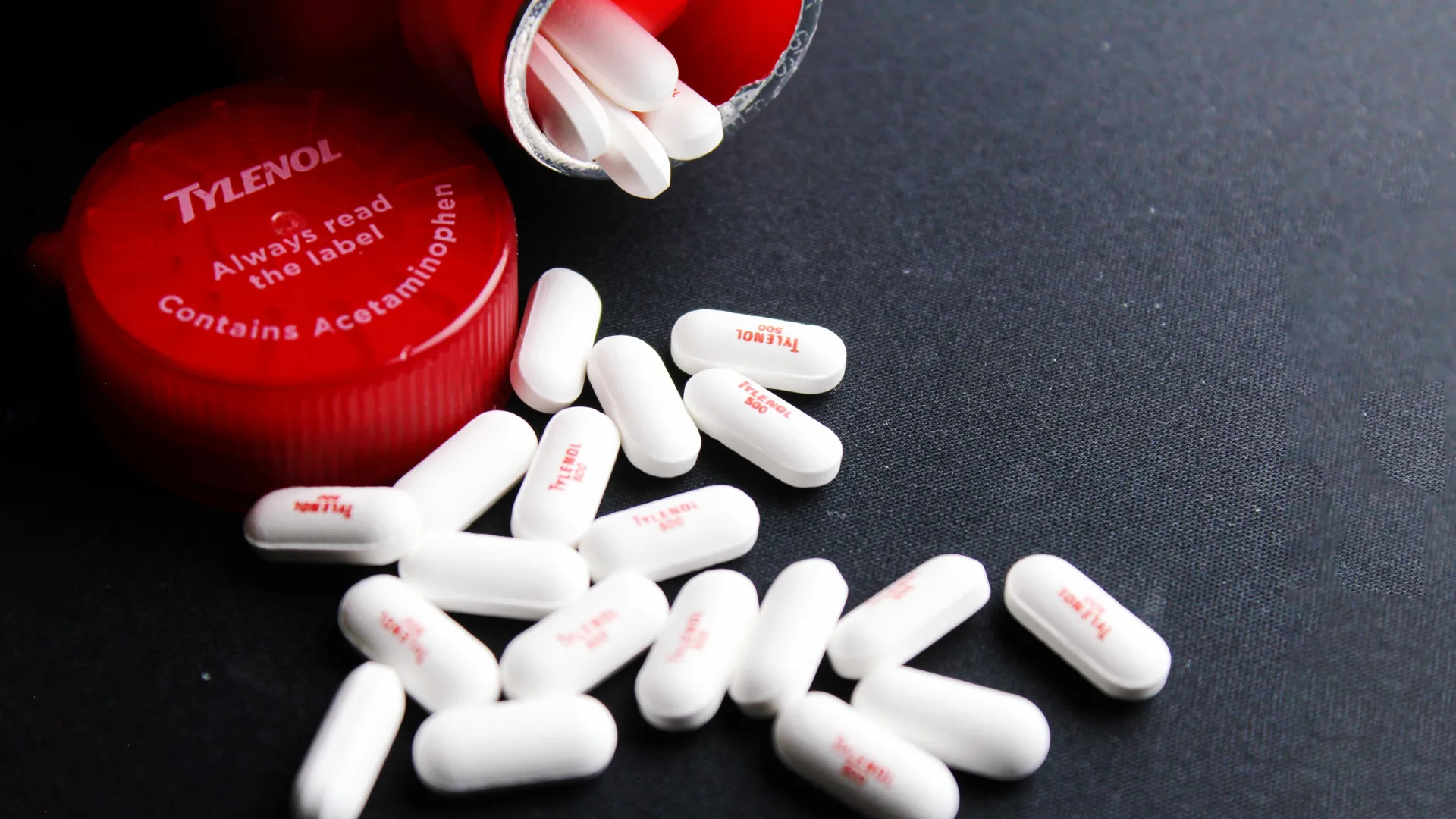
Social media and news feeds are filled with unverified claims about a possible connection between acetaminophen and autism in children. But medical experts say the far more serious and well-documented concern is something else entirely: overdose from the widely used pain and fever medication.
Acetaminophen poisoning is one of the leading causes of hospitalization and death related to non-prescription drugs in the United States, according to Kennon Heard, MD, PhD, a professor in the CU Anschutz Department of Emergency Medicine and the department’s section chief of medical toxicology.
Each year, an estimated 56,000 people visit emergency departments because of acetaminophen poisoning, and about 2,600 are hospitalized. The drug is responsible for nearly half of all acute liver failure cases in the U.S. and roughly 20% of liver transplants nationwide.
heard has studied acetaminophen poisoning for more than 25 years. He is now helping to lead a long-term clinical trial that is testing a potential new way to reduce liver damage in severe overdose cases. The experimental approach uses a medication typically given to patients poisoned by antifreeze.
Heard says CU and Denver Health, which is home to the Rocky Mountain Poison & Drug Safety center, have played a central role in this research for decades.”We have been the center of the acetaminophen research universe for the past 40 years. There’s been a long history of this type of work being done here, and its great to be a part of it.”
Why Acetaminophen Overdoses Happen
Acetaminophen is the main ingredient in Tylenol and many store-brand pain relievers used for mild to moderate pain and low-grade fever. It is also included in a wide range of over-the-counter products for colds, flu, sinus symptoms, and menstrual discomfort.
The medication has been used safely for decades when taken according to instructions.Problems arise when people exceed recommended doses, either by taking too much at once or by taking multiple products containing acetaminophen.
The Danger to the Liver
Acetaminophen is processed by the liver. When taken in recommended amounts, the liver can easily handle it. though, when an overdose occurs, the liver becomes overwhelmed and produces a toxic byproduct. This byproduct causes liver damage, which can lead to liver failure and even death.
Who is at Risk?
Anyone can overdose on acetaminophen, but some people are at higher risk. These include:
- People who take multiple medications containing acetaminophen
- People with liver disease
- People who drink alcohol regularly
- People who intentionally overdose as a form of self-harm
Symptoms of an Acetaminophen Overdose
Symptoms of an acetaminophen overdose may not appear promptly. In the first 24 hours, people may experience nausea, vomiting, loss of appetite, and abdominal pain. After 24-72 hours, symptoms may worsen to include jaundice (yellowing of the skin and eyes), confusion, and fatigue.If you suspect an acetaminophen overdose, seek immediate medical attention, even if you feel fine.
New Research offers Hope
The clinical trial led by Heard is investigating the use of N-acetylcysteine (NAC),a medication typically used to treat antifreeze poisoning,as a potential treatment for severe acetaminophen overdose. NAC helps the liver process the toxic byproduct of acetaminophen, reducing liver damage.
“We’re hoping this will be a game-changer,” Heard says. “If we can reduce the severity of liver damage, we can save lives and reduce the need for liver transplants.”
