
## The Benefits of Placing Your Smartphone Face Down
In today’s hyper-connected world, a simple habit – placing your smartphone screen-down – can offer surprising benefits for privacy, focus, social interaction, adn even battery life.
Protecting Your Privacy
Table of Contents
Public spaces, meetings, and commutes often expose your phone screen to unwanted views. A face-down phone effectively shields sensitive data like message content and bank notifications from prying eyes, safeguarding your privacy and subtly communicating “I am currently occupied.”
Boosting Concentration & Productivity
Research from the University of Texas indicates that visible smartphone screens can negatively impact cognitive performance. Constant notifications and the temptation to check the device create distractions, hindering focus.Turning the screen down eliminates these visual stimuli, creating psychological distance and promoting concentration. This is particularly valuable in work and learning environments.
Extending Battery Life
Accidental screen activations due to vibrations or movement are a common cause of rapid battery drain. placing the phone screen-down can significantly reduce these unintended wake-ups. Many smartphone models also activate power-saving modes when the screen is facing down. Furthermore, some devices, like those from Samsung and Huawei, utilize direction sensor technology to minimize energy consumption in this position.
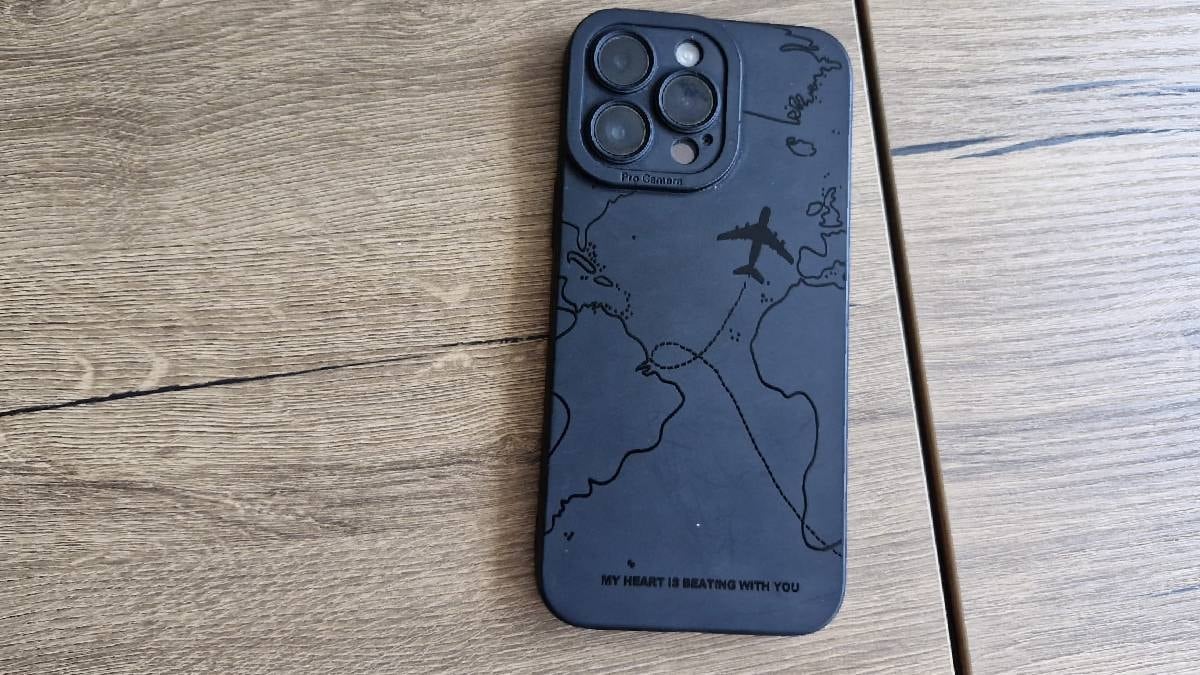
Experts suggest that keeping a phone screen-down on the table conveys respect in social interactions. A recent survey revealed that 89% of participants feel uncomfortable when someone is actively looking at their phone during a conversation. Turning the screen face down offers a brief respite from the digital world and demonstrates attentiveness to the person you’re with.
Concerns about screen scratches are understandable, but modern smartphones utilize durable glass technology that minimizes this risk. Additionally, using a protective case or screen protector provides an extra layer of defense against surface contact.
