
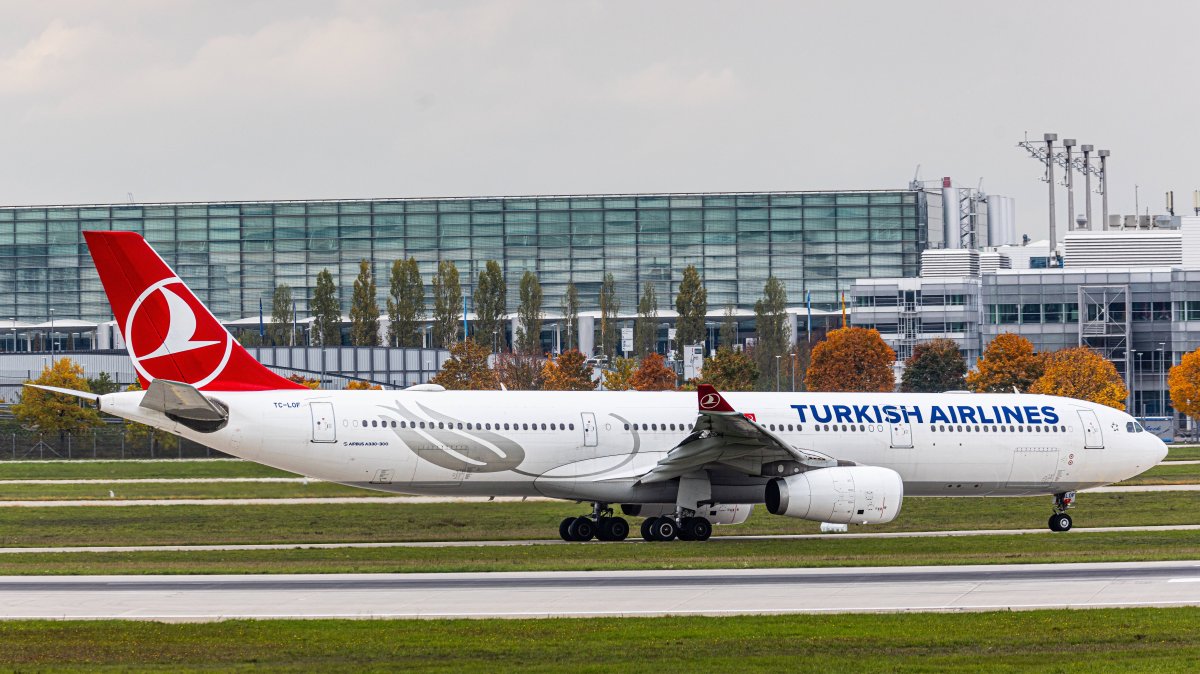
Turkish Airlines Flight diverted to Barcelona After Bomb Threat Wi-Fi Hotspot
barcelona,Spain – january 20,2026 – A turkish Airlines flight traveling from Istanbul to Barcelona was forced to make an emergency landing on Thursday after a passenger created a Wi-Fi hotspot with a name containing a bomb threat. The incident triggered a security alert and prompted a thorough investigation by Spanish authorities.
The Incident Unfolds
According to Yahya Üstün, Senior Vice president of Communications at Turkish Airlines, the concerning hotspot was detected as the flight, TK1853, approached Barcelona’s El Prat Airport.Üstün detailed the situation in a post on X (formerly Twitter), stating, “it was detected that a passenger established an in-flight internet access point and set the network name to include a bomb threat.”
In response to this alarming revelation,the flight crew instantly initiated emergency protocols,leading to the unscheduled landing in Barcelona. The decision prioritized the safety and security of all passengers and crew members on board.
Investigation and Security Measures
Upon landing, the aircraft underwent a comprehensive security search conducted by Spanish authorities. The Civil Guard, Spain’s national police force, confirmed that the airport continued to operate normally despite the incident, according to a report by the Associated Press [AP].
Üstün confirmed in a subsequent post that the security sweeps revealed no actual threats. “Following the incident on our TK1853 flight, the necessary security searches where conducted by the relevant country’s competent authorities, and no irregularities were found,” he stated.
Legal Ramifications and Passenger Identification
Authorities are now focused on identifying the passenger responsible for creating the threatening Wi-Fi hotspot. Üstün emphasized that legal proceedings will be initiated against the individual. “Efforts have been initiated to identify the passenger in question and to carry out the legal process,” he said. The airline anticipates resuming the flight after passenger boarding is completed following the investigation.
The Growing Concern of “Air Vandalism”
This incident highlights a growing, and often overlooked, security concern in the age of ubiquitous connectivity: the potential for disruption and alarm caused by malicious use of in-flight Wi-Fi networks. While seemingly harmless, the act of naming a Wi-Fi hotspot with a threatening message can trigger significant security responses, causing delays, expense, and considerable anxiety for passengers and crew.
Experts in aviation security suggest that airlines and airport authorities are continually evaluating and updating their protocols to address such emerging threats. This includes enhanced monitoring of in-flight Wi-Fi networks and improved passenger education regarding responsible technology use.
What are the penalties for creating a false bomb threat?
Creating a false bomb threat is a serious offense with severe legal consequences. Penalties vary depending on jurisdiction, but can include substantial fines, imprisonment, and a criminal record. In many countries, such actions are considered terrorism-related offenses, even if no actual intent to cause harm exists. The disruption caused by a false alarm,along with the resources expended in responding to it,are significant factors in the severity of the punishment.
Key Takeaways
- A Turkish Airlines flight made an emergency landing in Barcelona due to a bomb threat communicated via a passenger’s wi-Fi hotspot name.
- Spanish authorities conducted a thorough security search and found no evidence of an actual threat.
- The passenger responsible is being identified and will face legal consequences.
- this incident underscores the emerging security challenges posed by in-flight Wi-Fi networks.
