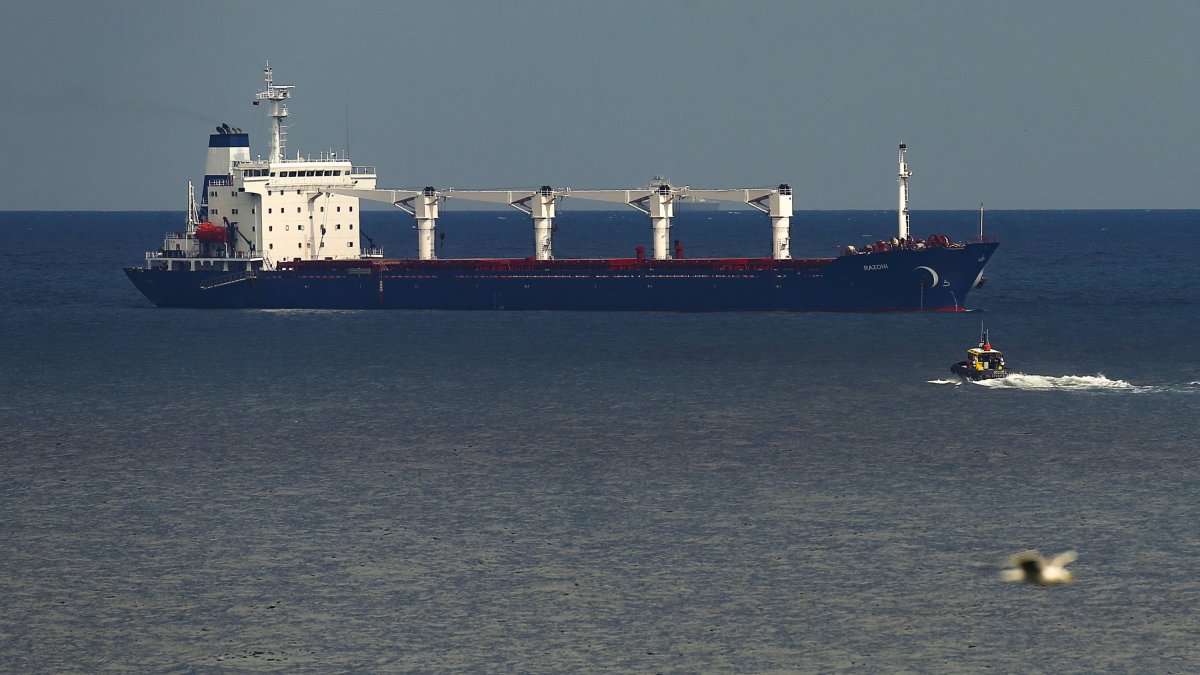
Turkey Urges Calm After Drone Strike on Cargo Ship Near Ukraine’s Black Sea Waters
On Friday, May 29, 2026, the government of Türkiye issued an urgent appeal for de-escalation in the Black Sea following a drone strike on a Turkish-owned cargo vessel. The incident, occurring off the coast of Ukraine, highlights the escalating maritime volatility threatening regional supply chains and the safety of international commercial shipping.
The incident represents a precarious shift in the ongoing regional conflict. For months, the Black Sea has served as a critical, albeit fragile, conduit for global grain and mineral exports. When a commercial vessel—an asset typically protected under international maritime norms—becomes a target, the entire logic of maritime transit is upended. The economic ripple effects are immediate, forcing a re-evaluation of risk profiles for every shipping firm operating in the region.
The Fragility of Maritime Logistics
The strike on the Turkish-owned vessel is not merely a localized tactical event; it is a systemic threat to the maritime logistics and supply chain sector. When commercial vessels face kinetic threats, insurance premiums for the Black Sea transit corridor skyrocket, often reaching prohibitive levels that sideline smaller operators.

Infrastructure in the region is already under immense pressure. As the conflict continues to evolve, businesses relying on consistent transit times are finding that traditional shipping routes are no longer reliable. This uncertainty necessitates a pivot toward specialized risk management. Companies are increasingly turning to maritime insurance and risk assessment specialists to navigate the shifting landscape of liability and cargo security.
The security of the Black Sea is not just a regional concern; it is a global imperative. When the free flow of goods is interrupted by military escalation, the cost of living and the stability of food security are the first casualties. We must demand adherence to the protocols that protect civilian vessels, regardless of the broader conflict.
This perspective, shared by regional policy analysts, underscores the necessity for a unified approach to maritime safety. The current situation demands that stakeholders look beyond simple logistics and consider the legal framework governing international waters in times of war.
Navigating the Legal and Regulatory Minefield
For organizations operating assets in or near the Black Sea, the legal environment has become a labyrinth of liability. A single strike creates years of potential litigation, claims, and regulatory scrutiny. Navigating these waters requires more than just operational expertise; it requires a deep understanding of international maritime law and corporate liability.
We are observing a surge in demand for maritime legal counsel. Firms are scrambling to audit their contracts, reassess their force majeure clauses, and ensure that their assets are shielded by the most robust legal protections available. The failure to secure such expertise before a crisis manifests can lead to catastrophic financial losses.
| Impact Area | Primary Risk | Mitigation Strategy |
|---|---|---|
| Supply Chain | Transit Interruption | Diversification of routes and modal shifts. |
| Financial | Insurance Premium Spikes | Contractual force majeure review. |
| Legal | Liability/Asset Seizure | Engagement of international arbitration counsel. |
The complexity of these issues cannot be overstated. When a cargo ship is hit, the questions of jurisdiction and responsibility are rarely straightforward. Is the act a violation of specific regional maritime agreements? What are the implications for the vessel’s flag state? These questions are currently being debated in boardrooms and diplomatic chambers across the globe.
Infrastructure Resilience in an Age of Volatility
The Turkish government’s warning serves as a sobering reminder that economic stability is inextricably linked to regional security. As the situation in the Black Sea remains fluid, the physical and digital infrastructure supporting maritime trade must be fortified. This includes everything from real-time tracking systems to the security of port facilities.

Investors and logistics managers are now prioritizing infrastructure security and resilience planning as a core component of their operational strategy. Relying on historical safety patterns is a mistake that many companies can no longer afford to make. The new standard is one of constant monitoring, rapid response capability, and the ability to pivot resources at a moment’s notice.
the reliance on crisis management and communications firms has never been higher. When a vessel is compromised, the narrative surrounding the event can be as damaging as the physical loss of cargo. Managing the reputation of the shipping line, the safety of the crew, and the expectations of shareholders requires a level of professional communication that many logistics firms are currently building from the ground up.
The Path Forward
The Black Sea remains one of the most vital arteries of global commerce, yet it is currently functioning under a shadow of uncertainty. The warning from Türkiye is a call for sobriety in a time of heightened tensions. It is an acknowledgment that while conflict may be inevitable in certain spheres of geopolitics, the protection of civilian maritime infrastructure must remain a non-negotiable boundary.
As we monitor the situation, the solution to this volatility lies in proactive, rather than reactive, management. Businesses that prioritize the integration of legal, security, and logistical intelligence will be the ones that navigate this period of instability with their operations—and their assets—intact. The directory of the World Today News remains committed to connecting these organizations with the vetted professionals necessary to maintain continuity in an increasingly fractured world. The cost of inaction is simply too high to entertain.