Turkey Announces Major Government and University Appointments in Official Gazette
<>
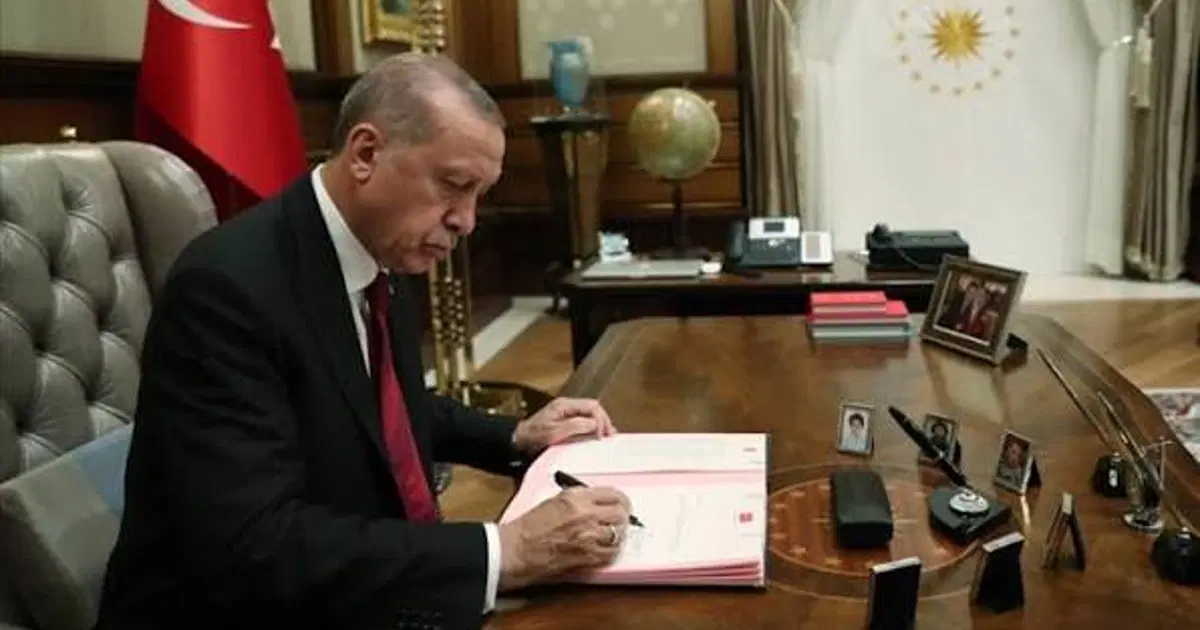
President Recep Tayyip Erdoğan signed a series of administrative appointments on August 18, 2026, encompassing the leadership of 10 universities, key positions within the Toplu Konut İdaresi Başkanlığı (TOKİ), and various ministerial roles. The move, published in the Official Gazette, signals a significant restructuring across Turkish state institutions and academic governance.
The presidential decree confirmed the appointment of new rectors to 10 universities, marking a major shift in higher education management. According to reports from Mynet, the new appointments include Prof. Dr. Nedim Sözbir at Düzce University, Prof. Dr. Ufuk Kuyrukluyıldız at Erzincan Binali Yıldırım University, and Prof. Dr. Emine Gümüşsoy at Eskişehir Osmangazi University. Gebze Technical University will be led by Prof. Dr. Hacı Ali Mantar, while Prof. Dr. Behzat Orhan Aytür takes the helm at İhsan Doğramacı Bilkent University.
The restructuring extends to specialized and regional institutions. Prof. Dr. Hüseyin Botanlıoğlu has been appointed to Istanbul University-Cerrahpaşa, Prof. Dr. Mustafa Balcı to İzmir Katip Çelebi University, Prof. Dr. Yusuf Yılmaz to Recep Tayyip Erdoğan University, Prof. Dr. Hamza Al to Sakarya University, and Prof. Dr. Ahmet Ulusoy to Zonguldak Bülent Ecevit University. Additionally, Prof. Dr. Hüseyin Karaman has been appointed as the President of the Board of Trustees for the Hoca Ahmet Yesevi International Turk-Kazak University.
For institutions undergoing such rapid leadership transitions, maintaining operational continuity is paramount.
Strategic Changes in Housing and Finance Infrastructure
Beyond academia, the government enacted personnel changes within critical state entities. As noted by Takvim, Dursun Baştürk was removed from his position as Vice President of the Toplu Konut İdaresi Başkanlığı (TOKİ). Ahmet Kutluğ Gayretli and Abdulvahap Afşin have been appointed to fill the vacant Vice President roles. The Social Security Institution (SGK) also saw leadership adjustments, with Engin Akyol appointed as Vice President of the SGK.
The Ministry of Treasury and Finance underwent internal reorganization as well. Sabire Firdes Terzi has been appointed as the Deputy General Manager of Personnel, replacing Bekir Sıddık Adıbelli. Further appointments include Hüseyin Azili to the Board of Directors of the State Supply Office (DMO), Kemaleddin Metin as the Deputy General Manager of the DMO, and Hasan Şahin as the Department Head of the Revenue Administration.
Regional Governance and Internal Security Appointments
The decree also finalized the appointment of 11 provincial tax directors (Defterdar) under the Revenue Administration. These appointments span provinces including Aksaray, Artvin, Balıkesir, Çankırı, Hakkari, Mardin, Muğla, Sakarya, Siirt, Şırnak, and Van. This geographic distribution reflects a broad effort to standardize administrative oversight at the local level.

Security and administrative oversight within the Ministry of Interior have been significantly updated. Mehmet Parlak, formerly the Head of the Internal Security Strategies Department, has been appointed to lead the Strategy Development Department. Eyüp Özdemir has assumed the role of Head of the Internal Security Strategies Department, while Hüseyin Tekin has been appointed to lead the Smuggling, Intelligence, Operations, and Information Gathering Department.
Adjudication and Specialized Agency Updates
The personnel changes reached the Adli Tıp Kurumu (Council of Forensic Medicine), where Prof. Dr. Fehmi Mercanoğlu of Istanbul University was appointed to the Cardiology membership of the Third Specialized Board. Meanwhile, the Meat and Milk Board (Et ve Süt Kurumu) saw Ceyhun Bozçalar join its Board of Directors.
These appointments follow a wider pattern of institutional reform.
The scope of these appointments—from the highest levels of academic research to the regional management of tax and security portfolios—underscores the ongoing administrative evolution of the state. Maintaining a proactive stance in monitoring these transitions is essential for any entity interacting with the public sector.