Turkey and EU Discuss Trade, ‘Made in EU’ Policies and Visas, Reports Say
Turkish Trade Minister Ömer Bolat met with Ankara ambassadors from European Union member states to address ongoing trade integration, supply chain definitions, and longstanding visa backlogs affecting business travelers, Gazete Oksijen reported.
Ankara Ambassadors Meet to Review 233 Billion Dollar Trade Milestone
The working breakfast meeting hosted by EU Delegation Head Ambassador Aivo Orav followed a previous discussion held at the Ministry in April. Trade Minister Ömer Bolat stated during the gathering that economic integration between Turkey and the European Union maintains a deep and strategic character. Bilateral trade volume reached a historic level of 233 billion dollars last year, according to Ministry figures cited by Demirören Haber Ajansı (DHA). Exports to EU member states accounted for 43 percent of Turkey’s total shipments, while imports from the bloc represented 32 percent.
European companies account for approximately 62 percent of direct foreign investment stock within Turkey. Bolat emphasized that bilateral economic ties rely heavily on mutual dependency and integrated industrial frameworks. Demirören Haber Ajansı noted that automotive trade stands at 54,3 milyar avro, making up more than a quarter of total bilateral commerce.

Made in EU Legislation Poses Production Chain Dilemma
Discussions centered heavily on the European Commission’s draft Industrial Accelerator Act under the “Made in EU” policy framework. Dünya Gazetesi reported that France advocates for restricting European support funds strictly to products manufactured inside the bloc to protect strategic sectors like automotive, batteries, steel, aluminum, and clean technology against Chinese competition. Meanwhile, Germany supports a broader “Made with Europe” model that includes customs union partners and free trade agreements.
Bolat stressed that vehicles and parts manufactured in Turkey must receive full recognition under the “Union origin” provisions. Official responses from the European Commission to the European Parliament previously confirmed that content originating from customs union partners receives equivalent treatment to EU-origin content for specific market rules. However, Bolat warned that excluding Turkey from automotive assembly requirements, corporate fleet support programs, and carbon emission compliance mechanisms threatens to undermine integrated value chains built over the past thirty years under the Customs Union.

Talebimiz, Türkiye için ayrıcalıklı muamele değildir. Talebimiz, Türkiye’nin eşsiz konumunun ve AB ile 30 yıllık Gümrük Birliği’mizden doğan hakların tanınmasıdır, dedi Bakan Bolat.
Long Visa Procedures Restrict Commercial Potential
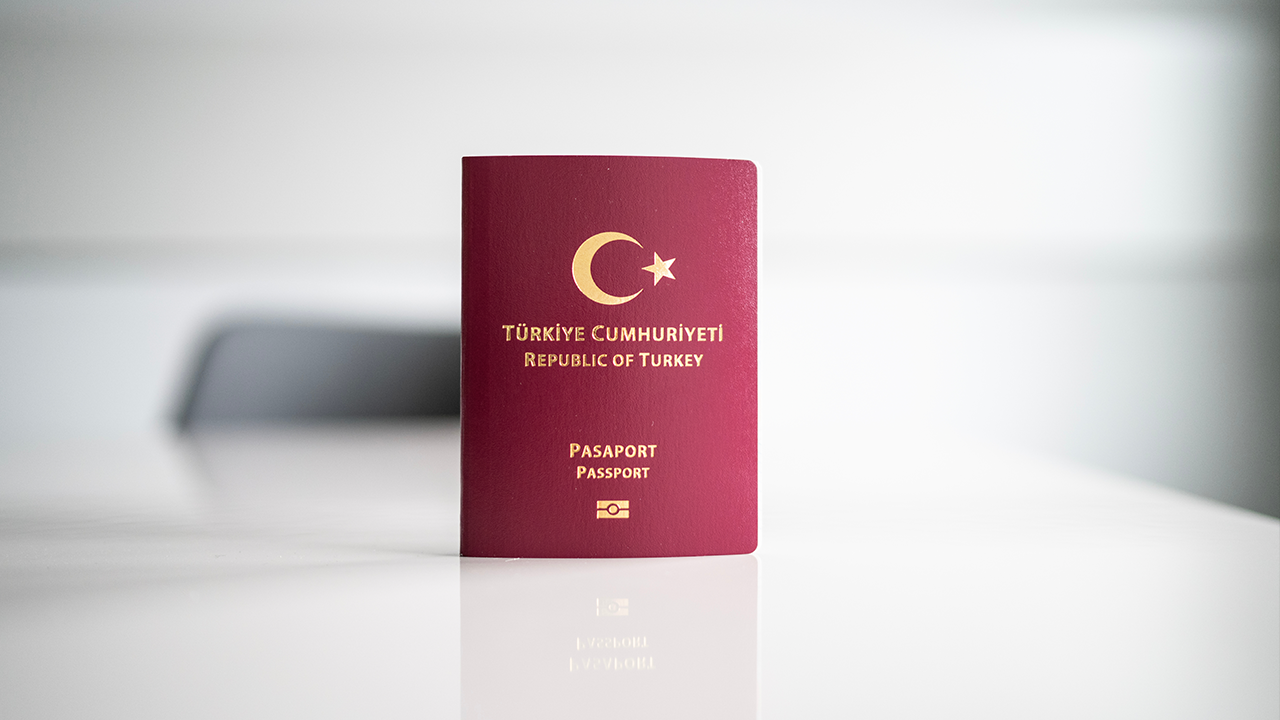
Beyond legislative drafts and industrial rules, administrative barriers continue to hinder commercial exchanges. Bolat pointed out that lengthy visa procedures experienced by business professionals alongside restrictive road transport transit quotas prevent the Customs Union from operating at full capacity, as reported by DHA. Manufacturing supply chains require operational clarity as businesses evaluate competitive pressures from global markets.
Upcoming High-Level Dialogue in Brussels
Preparations are underway for the Turkey-EU High-Level Trade Dialogue meeting scheduled for October 13 in Brussels, where Bolat will serve as co-chair alongside Maros Sefcovic, the European Commission’s Commissioner for Trade. Discussions will cover the reciprocal opening of public procurement markets based on reciprocity steps taken by Turkey, alongside reviews of Joint Economic and Trade Committee meetings held throughout the year.