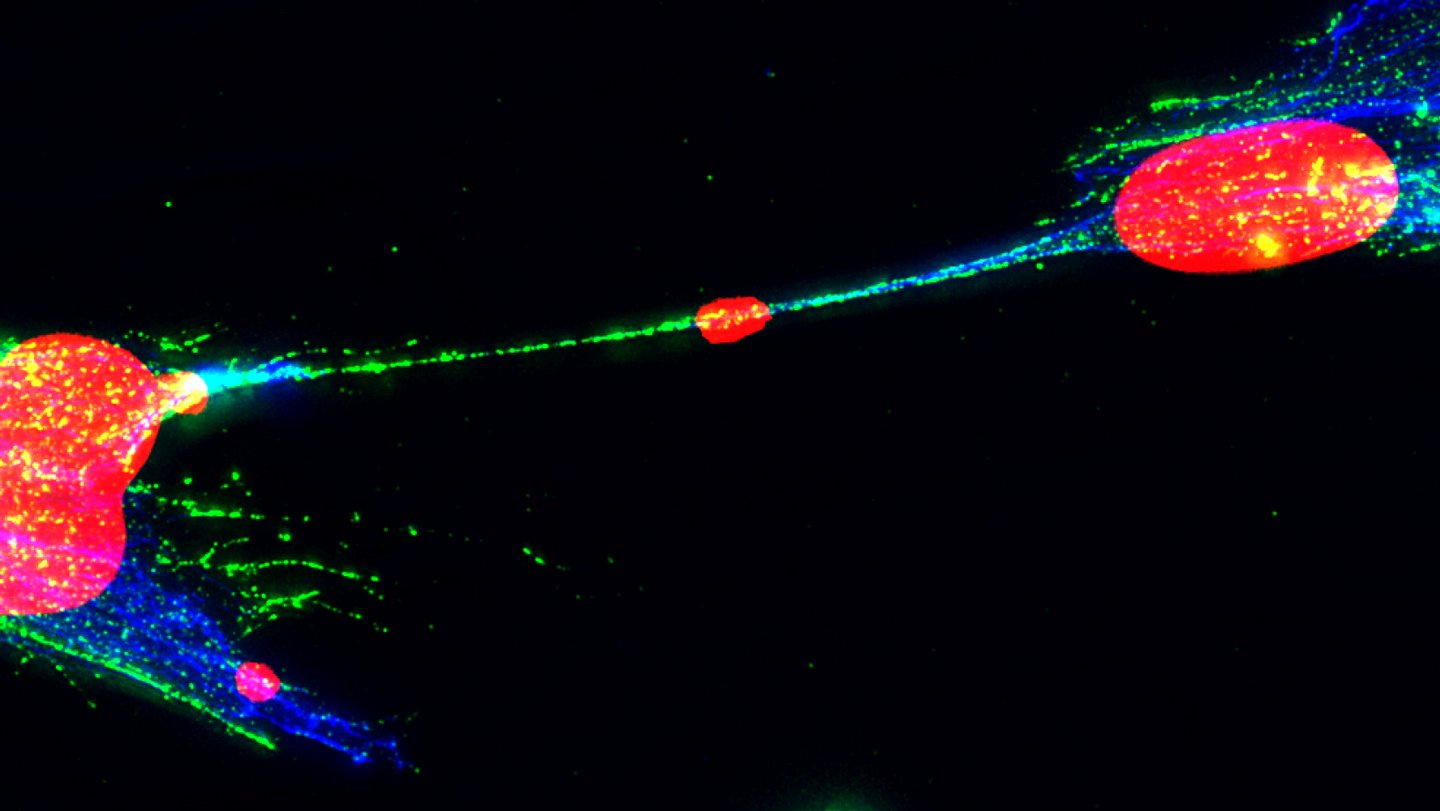
Tunneling Nanotubes May Spread Tumor DNA to Healthy Cells
The architecture of cancer progression is undergoing a paradigm shift as researchers uncover how damaged DNA navigates the intracellular space. Rather than acting as static elements within a single cell, genetic material can traverse physical conduits known as tunneling nanotubes, potentially transferring oncogenic signatures to healthy neighbors. This discovery challenges traditional models of tumor development, suggesting that the pathogenesis of malignancy may involve a communal, rather than strictly autonomous, mechanism of cellular transformation.
Key Clinical Takeaways:
- Tunneling nanotubes serve as direct intercellular highways that facilitate the movement of DNA fragments between cells.
- This mechanism may allow healthy cells to acquire cancerous traits, effectively expanding the tumor microenvironment through horizontal genetic transfer.
- Understanding this biological vector is critical for developing future therapeutic interventions aimed at blocking intercellular communication in oncology.
The Mechanics of Intercellular DNA Trafficking
Biological research has long focused on the cell as the primary unit of disease progression. However, the identification of tunneling nanotubes—thin, actin-based membrane protrusions—reveals a more complex reality. These structures function as a sophisticated transit system, allowing for the direct transfer of organelles, proteins, and, most critically, damaged or tumor-derived DNA. This process, documented in recent investigations into cellular communication, suggests that the “micro-environment” of a tumor is not merely a passive recipient of signals but an active participant in the dissemination of genomic instability.
When cells are under physiological stress, such as exposure to chemotherapy or chronic inflammation, they may initiate the formation of these nanotubes. The transfer of DNA through these channels appears to be a survival strategy, albeit one that may inadvertently propagate malignancy. From a clinical perspective, this necessitates a re-evaluation of how we interpret tumor heterogeneity. If a tumor can “infect” surrounding stroma or healthy epithelial cells with its own damaged genetic blueprints, the standard of care must evolve to address these intercellular pathways.
Clinical Implications for Oncology and Pathogenesis
The implications for cancer metastasis and resistance are significant. Traditional genomic sequencing often focuses on the primary tumor mass. However, if the genomic landscape is continuously shifting via horizontal gene transfer, our diagnostic approaches must adapt to capture this dynamic state. For patients navigating complex diagnostic pathways, the integration of liquid biopsies and high-resolution imaging is increasingly vital. It is essential to work with specialized oncologists who are equipped to monitor these nuanced shifts in tumor behavior.

The ability of cancer cells to ‘outsource’ their genetic damage to neighboring cells represents a formidable hurdle in traditional cytotoxic therapy. If we fail to account for the mobility of this DNA, we are essentially fighting a fire while the embers are being carried to new, fertile ground by the wind.
This research, which has been supported by various institutional grants including the National Institutes of Health (NIH), underscores the necessity of interdisciplinary collaboration. As we refine our understanding of these cellular highways, the development of inhibitors that specifically target the formation of tunneling nanotubes could represent a novel therapeutic class. Until such targeted biologics become part of the standard of care, patients should prioritize comprehensive genetic counseling and monitoring. Engaging with board-certified genetic counselors can provide the necessary clarity for those with a high clinical suspicion of hereditary or progressive oncological syndromes.
Navigating the Future of Personalized Medicine
As the scientific community continues to map these intercellular highways, the focus shifts toward preventing the “contagion” of damaged DNA. This requires a robust regulatory and clinical infrastructure. For those in the healthcare sector, including diagnostic labs and research facilities, staying abreast of these molecular findings is not merely an academic exercise—it is a requirement for operational excellence. Maintaining compliance with evolving clinical guidelines while adopting cutting-edge diagnostic technology is the current mandate for high-performing advanced diagnostic centers.
The trajectory of this research points toward a future where “tumor-in-a-vacuum” models are replaced by network-based oncology. By viewing the tumor as a node in a larger communication system, we gain the ability to disrupt the network before it can adapt to conventional therapies. The path forward involves rigorous longitudinal studies to quantify the frequency of these transfer events in vivo, moving beyond controlled laboratory settings to the complex, multi-factorial environment of the human body.
the objective of this research is to stabilize the genomic integrity of the host, preventing the spread of instability. As new protocols emerge, the role of the patient in clinical decision-making becomes more prominent. We encourage those seeking to understand their own risk profiles or those managing a current diagnosis to maintain a proactive dialogue with their care teams. By utilizing the resources available through our vetted healthcare provider network, patients can ensure they are receiving care that reflects the most recent advancements in molecular biology and cellular pathology.
Disclaimer: The information provided in this article is for educational and scientific communication purposes only and does not constitute medical advice. Always consult with a qualified healthcare provider regarding any medical condition, diagnosis, or treatment plan.