
Frozen Tuna Recall: Health Risks Prompt Supermarket Withdrawals
health risks. Check lot number 05691660824 and expiry date 05/08/2026.">
A recent recall of frozen tuna fillets has been initiated across several supermarket chains due to unacceptable levels of histamine contamination,posing a potential health hazard to consumers. The affected product, identified as frozen tuna fillets from the “Pù selection” brand, is being withdrawn as a precautionary measure to prevent adverse health effects.
The presence of elevated histamine levels in the tuna can lead to scombroid poisoning, also known as histamine fish poisoning, wich mimics allergic reactions.Symptoms can manifest rapidly, typically within a few minutes to a few hours after consumption, and may include nausea, vomiting, diarrhea, headache, skin rash, and itching according to the FDA. While usually self-limiting,the severity of symptoms can vary,and medical attention may be required in some cases.
details of the Recalled Tuna
Consumers who have recently purchased frozen tuna are urged to check their freezers for the affected product. The specific details of the recalled tuna are as follows:
- Product: Frozen Tuna Fillet
- Brand: Pù selection
- Lot Number: 05691660824
- Expiry Date: 05/08/2026 (August 5, 2026)
- Producer: Schroeder Kg (GmbH & Co.) located at Am Sandtorkai 37, Germany
The recall, officially announced on June 4th, is a proactive measure to safeguard public health. Customers who have purchased the specified lot of tuna are advised not to consume it and to return it to the point of purchase for a full refund.
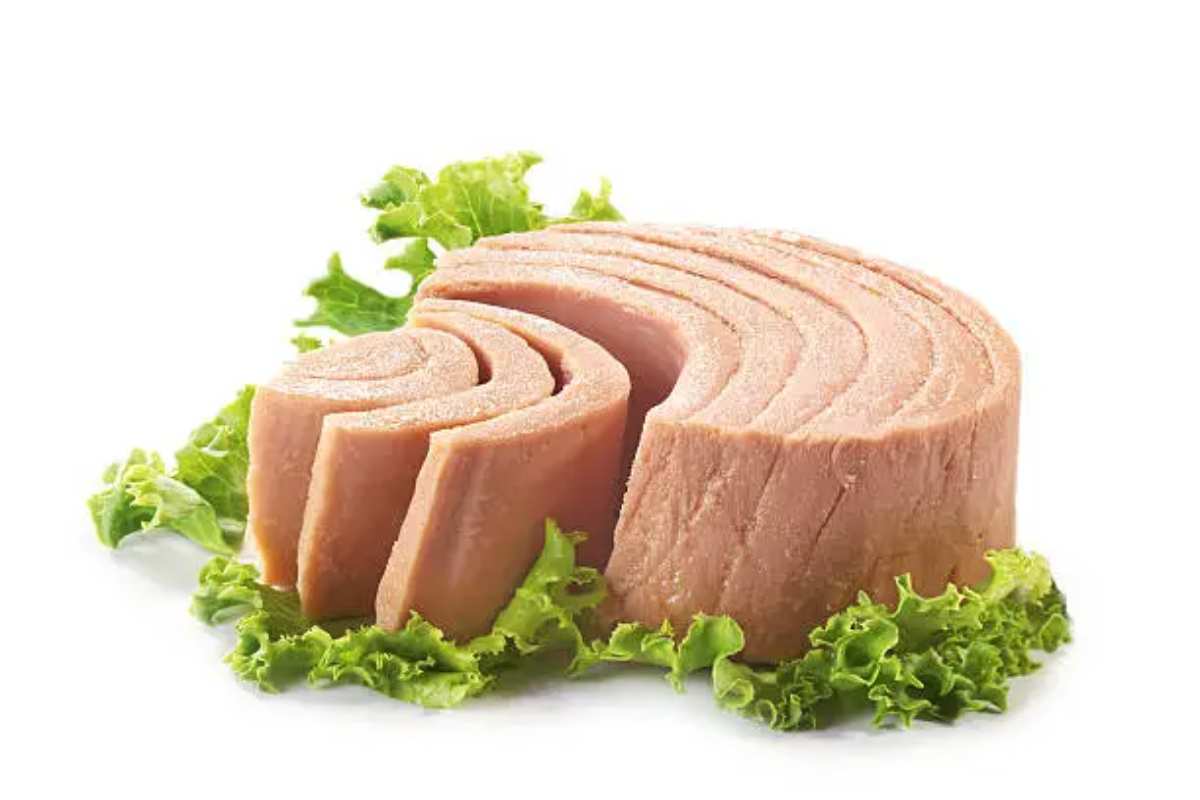
Histamine Contamination: What You Need to know
Histamine is a chemical compound produced by bacteria in fish that have not been properly stored or handled. When fish, notably tuna, mackerel, and mahi-mahi, are exposed to elevated temperatures for extended periods, bacteria can multiply and produce histamine. Cooking does not eliminate histamine,making proper storage crucial to prevent its formation as noted by Seafish.org.
Did You Know? Freezing fish promptly after catching it and maintaining proper refrigeration throughout the supply chain are essential to minimize histamine production.
The European Food Safety Authority (EFSA) has established guidelines for histamine levels in fish products. According to EFSA, the maximum permitted level of histamine in tuna and other susceptible fish species is 200 mg/kg according to the EFSA. Products exceeding this limit are considered unsafe for consumption.
Symptoms and Risks of Histamine Poisoning
Consuming fish with high levels of histamine can lead to scombroid poisoning,characterized by a range of symptoms that typically appear within minutes to hours after ingestion. These symptoms can include:
- Nausea and vomiting
- Diarrhea
- Headache
- Skin rash and hives
- Flushing of the face and upper body
- Itching
- Dizziness
- Palpitations
while most cases of scombroid poisoning are mild and resolve on their own within a few hours, severe reactions can occur, particularly in individuals with pre-existing conditions or sensitivities. In rare cases, scombroid poisoning can lead to difficulty breathing, swelling of the throat, and a drop in blood pressure, requiring immediate medical attention.
Pro Tip: If you experience any of these symptoms after consuming tuna or other fish,seek medical advice promptly.
Protecting Yourself from Histamine Poisoning
Consumers can take several steps to minimize their risk of histamine poisoning:
- Purchase fish from reputable sources that adhere to proper handling and storage practices.
- Ensure that fish is properly refrigerated or frozen from the time of purchase until preparation.
- Avoid consuming fish that has been left at room temperature for more than two hours.
- If you notice any signs of spoilage, such as an unusual odor or discoloration, discard the fish immediatly.
the ongoing tuna recall serves as a reminder of the importance of food safety and the potential risks associated with improper handling and storage of seafood. By staying informed and taking precautions,consumers can protect themselves from histamine poisoning and other foodborne illnesses.
| Attribute | Details |
|---|---|
| Product | Frozen Tuna Fillet |
| Brand | Pù selection |
| Lot Number | 05691660824 |
| Expiry Date | 05/08/2026 |
| Producer | Schroeder Kg (GmbH & Co.) |
Have you checked your freezer for the recalled tuna? What steps do you take to ensure the safety of the seafood you consume?
Understanding Histamine in Fish: An Evergreen Perspective
Histamine formation in fish is a long-standing concern in the food industry. Factors such as fishing practices,processing methods,and storage conditions all play a role in determining the levels of histamine present in the final product. Historically, outbreaks of scombroid poisoning have been linked to inadequate refrigeration and delays in processing, allowing bacteria to proliferate and produce histamine.
Modern advancements in food safety technology, such as rapid testing methods and improved temperature monitoring systems, have helped to mitigate the risk of histamine contamination. Though, vigilance remains essential throughout the supply chain to ensure that fish products are safe for consumption. Consumers also play a crucial role in preventing histamine poisoning by following proper storage and handling guidelines.
Frequently Asked Questions About the Tuna Recall
Why was the frozen tuna recalled?
The frozen tuna was recalled due to elevated levels of histamine, which can cause scombroid poisoning.
What are the symptoms of histamine poisoning from tuna?
Symptoms of histamine poisoning can include nausea,vomiting,diarrhea,headache,skin rash,and itching.
How can I identify the recalled tuna product?
The recalled tuna is the “Pù selection” brand of frozen tuna fillet with lot number 05691660824 and an expiry date of 05/08/2026.
What should I do if I have purchased the recalled frozen tuna?
If you have purchased the recalled tuna, do not consume it. Return it to the store where you bought it for a full refund.
Is it safe to eat tuna from other brands or lot numbers?
This recall is specific to the “Pù selection” brand with the identified lot number. Tuna from other brands and lot numbers is not affected by this recall, but always ensure proper storage and handling.
How is histamine formed in tuna?
Histamine is produced by bacteria in fish that are not properly stored or refrigerated. Cooking does not eliminate histamine.
Where was the recalled tuna produced?
The recalled tuna was produced by Schroeder kg (GmbH & Co.) located in Germany.
Disclaimer: This article provides general information and should not be considered medical advice. Consult with a healthcare professional if you experience any symptoms of food poisoning.
Stay informed and protect your health! Share this article with your friends and family to raise awareness about the tuna recall. Subscribe to our newsletter for the latest food safety updates.
