
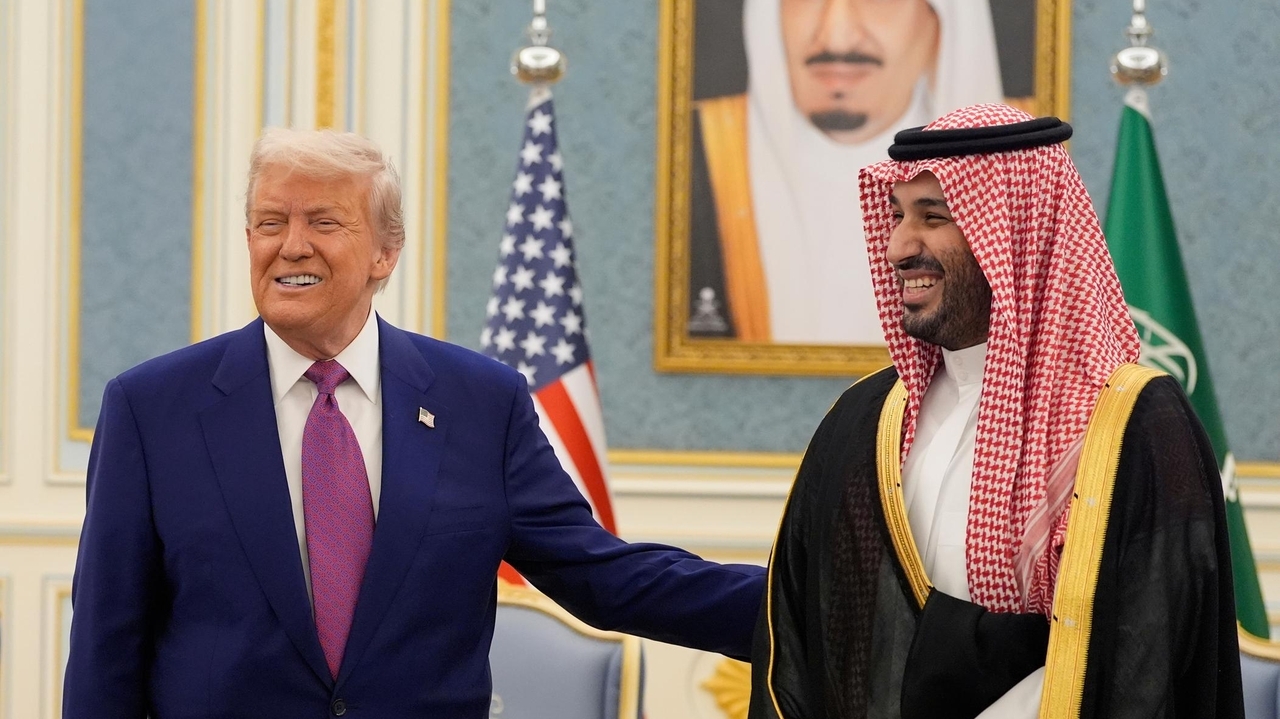
Analysis of the Potential Saudi-Israel Normalization Deal & Trump‘s Role
This article details the complex dynamics surrounding a potential normalization deal between Saudi Arabia and Israel, and the role former President Trump is playing in attempting to facilitate it. Here’s a breakdown of the key takeaways:
1. Shifting Middle East Dynamics & Trump’s Optimism:
* Trump believes a window for peace has opened. He attributes this to the weakening of Iran and its proxies (in Gaza,Lebanon,and Yemen) due to recent conflicts and US strikes on Iran’s nuclear program.
* He sees this as a prime possibility for Saudi Arabia and Israel to move towards normalization.
* He jokingly downplayed any lobbying efforts during a recent speech with Saudi Ambassador Princess Reema Bandar Al Saud.
2. the Core Obstacle: Palestinian Statehood
* Saudi Arabia insists on a clear path to Palestinian statehood as a prerequisite for normalizing relations with Israel. This creates a tension with Trump’s optimism.
* Trump needs to demonstrate support for a Palestinian state to sway Crown Prince Mohammed bin Salman (MBS) towards normalization. Experts believe this is key to his success.
3. Challenges to Progress:
* The ongoing devastation in Gaza: Images of suffering are a major obstacle, making it politically tough for MBS to move forward. Rebuilding Gaza will be a long and arduous process.
* Unresolved issues in Gaza: Disarming Hamas, establishing security forces, and creating a post-Hamas governance structure are all potential flashpoints.
* Israeli settler violence in the West Bank: this fuels regional distrust and complicates the situation.
4. saudi Arabia’s Wish List & Potential Dealbreakers:
* Security guarantees: MBS seeks formal assurances of US military protection for Saudi Arabia.
* F-35 Fighter Jets: Saudi Arabia wants to purchase these advanced aircraft.
* F-35 Deal unlikely (for now): The White House is hesitant to approve the sale due to:
* Maintaining Israel’s “Qualitative Military Advantage”: The US doesn’t want to weaken Israel’s military superiority.
* Technology Transfer to China: Concerns exist that the F-35 technology could fall into Chinese hands, given China’s close ties with both Saudi Arabia and the UAE.
5. Leverage & Strategy:
* MBS’s price for normalization has increased following the events in Gaza.
* Experts advise Trump not to concede leverage. Tying the F-35 sale to normalization and a lasting transformation in Saudi-israel relations is seen as crucial.
In essence,the article paints a picture of a delicate and complex negotiation. While Trump sees an opportunity, notable hurdles remain, particularly regarding the Palestinian issue and the potential for a fighter jet deal. His success hinges on convincing MBS that supporting a Palestinian state is worthwhile and maintaining leverage in negotiations.
