
The Fragile Momentum of a Gaza Ceasefire Plan
A newly proposed framework for ending the conflict in Gaza, backed by the US and gaining support from the UK and other European nations, hinges on a rapid implementation schedule – a momentum intended too overcome decades of stalled peace efforts. tho, this speed is coupled with a significant lack of detailed provisions, a hallmark of the Trump administration’s diplomatic approach.
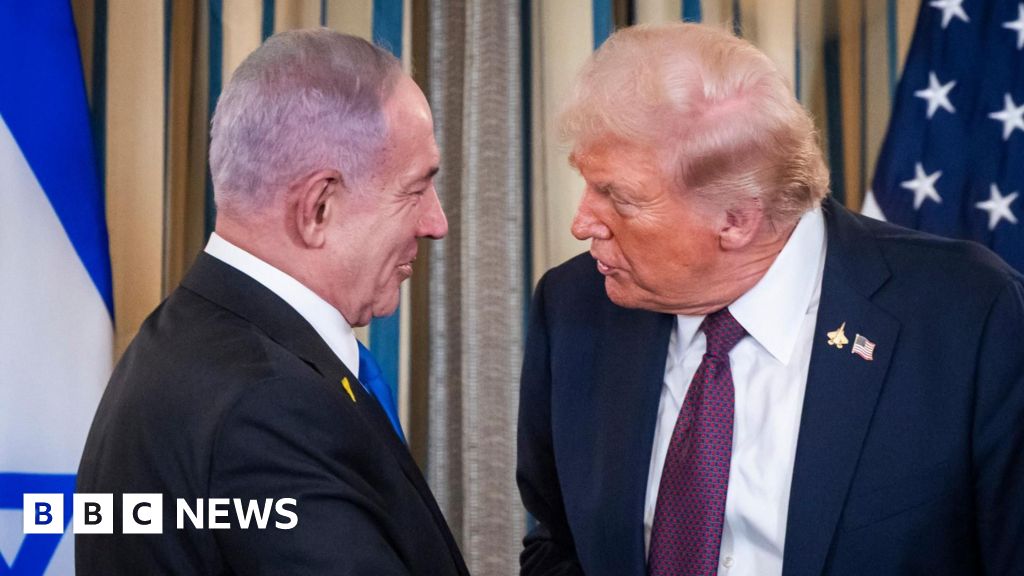
The agreement, endorsed by Israeli Prime Minister Benjamin Netanyahu alongside former President Trump, outlines stages for an Israeli Defense Forces (IDF) withdrawal from Gaza. Crucially, Netanyahu publicly and emphatically rejected any concession regarding a future Palestinian state, both to Trump directly - stating in English his support for a plan ending the war while achieving Israeli aims - and in a subsequent Hebrew address intended for domestic consumption. He asserted that the agreement contains no provision recognizing Palestinian statehood, and further declared Israel’s intention to actively resist its establishment, a position he stated Trump supported.
While mainstream Israeli opposition parties have voiced support for the plan,it faces condemnation from within Netanyahu’s own coalition. Ultra-nationalist factions,who previously favored a more radical proposal dubbed the “Trump Riviera” – envisioning a rebuilt Gaza with the forced displacement of its over two million Palestinian residents – have labeled the current proposal “dangerous” and “full of holes.” Itamar Ben Gvir, a key far-right ally of Netanyahu, is among those voicing strong opposition.
the new framework explicitly prohibits the forced displacement of Palestinians, a key divergence from the earlier “trump Riviera” plan. This creates a potential for internal sabotage. Should Hamas accept the agreement, Netanyahu could face pressure to appease his extremist allies by finding ways to obstruct negotiations and shift blame onto Hamas, leveraging the agreement’s structure which allows Israel multiple veto opportunities.
Despite the initial momentum, the long-term viability of the plan remains uncertain. Manny international observers, including the UK and numerous countries beyond Israel and the US, believe a lasting peace requires Palestinian independence. The recent statement from the Arab and Islamic foreign ministers, while expressing support, emphasized the need for a full Israeli withdrawal, the rebuilding of Gaza, and a path towards a two-state solution based on international law – a clear reference to the International Court of Justice’s ruling deeming the Israeli occupation of Palestinian land illegal.
Netanyahu, however, maintains that the deal brings Israel closer to achieving victory over Hamas and continues to deny any Palestinian right to the land. This fundamental disagreement highlights the ambiguity at the heart of the framework, allowing for vastly different interpretations of its ultimate goals. This inherent ambiguity presents a significant challenge to its success, casting doubt on its potential to deliver a lasting resolution to the century-old conflict.
