Trump-Xi Summit in Beijing as Inflation Hits Three-Year High
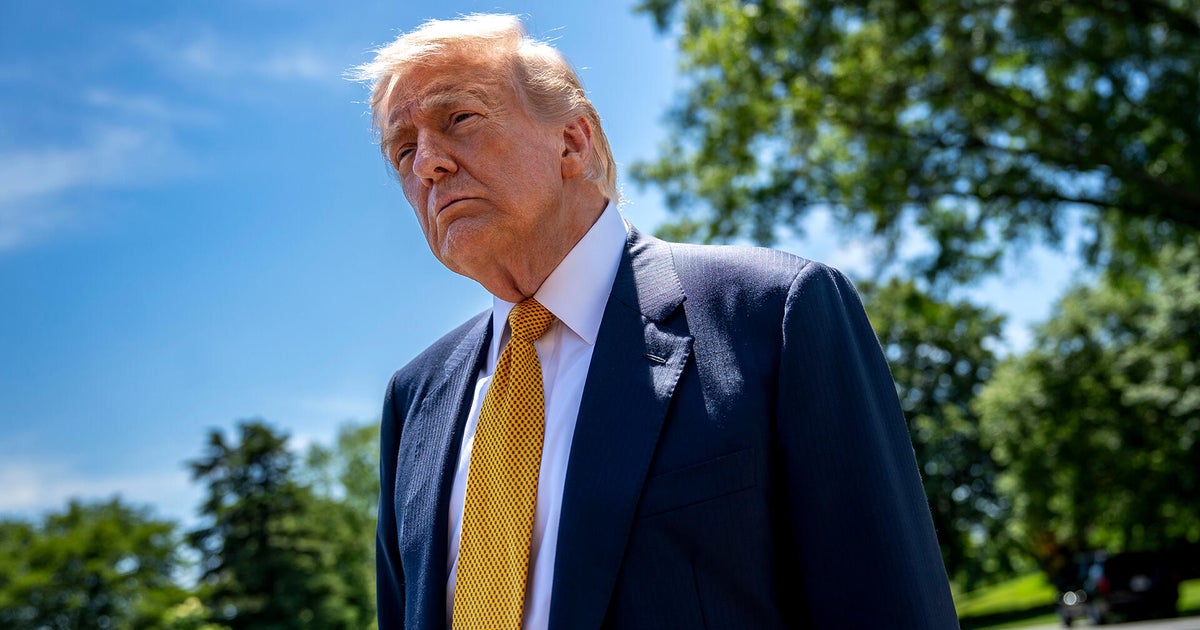
As President Donald Trump departs for Beijing on May 13, 2026, to meet with Chinese leader Xi Jinping, the summit arrives against a backdrop of surging U.S. Inflation—now at its highest level in nearly three years—and escalating tensions over trade, rare earth minerals and emerging technologies like AI. The meeting, the first of potentially four this year, aims to stabilize economic relations between the world’s two largest economies, but underlying challenges—from tariffs to Taiwan—threaten to derail progress. What’s at stake isn’t just geopolitical stability, but the livelihoods of American farmers, manufacturers, and tech workers whose industries hinge on these high-stakes negotiations.
The Inflation-Trade Tightrope: How Rising Costs Collide with Beijing Diplomacy
Inflation’s resurgence—driven in part by supply chain disruptions and global energy price volatility—has forced the White House to confront a harsh reality: trade policy and domestic economic health are no longer separate issues. The Biden administration’s final months saw inflation hovering near 3.5%, but recent data from the Bureau of Labor Statistics (released May 10, 2026) confirms the trend has accelerated, with core inflation now at 3.8% year-over-year, the steepest climb since mid-2023. Economists warn this isn’t just a statistical blip—it’s a structural problem.
“The inflation surge is directly tied to the uncertainty in U.S.-China trade relations. When businesses can’t predict tariff policies, they overstock inventory, creating artificial demand—and higher prices. The Trump-Xi summit isn’t just about trade deals; it’s about restoring predictability to global supply chains.”
Beijing’s Stakes: More Than Just Tariffs
The Trump administration’s approach to China has shifted dramatically since 2020. Where previous summits focused on tech transfers and semiconductor restrictions, this meeting prioritizes stability. The October 2025 trade truce—where China agreed to purchase $50 billion in U.S. Agricultural and aerospace products—is set for renewal, but the real test lies in rare earth minerals. China controls 80% of global production, and U.S. Defense contractors are scrambling to secure alternative sources after Beijing restricted exports last year.

For Midwestern farmers, the stakes are immediate. Soybean and beef exports to China account for $24 billion annually, but tariffs and retaliatory measures have slashed those numbers by nearly 15% in 2026. In Iowa, where corn and soybean production dominates, local cooperatives are already diversifying markets—but the transition is costly.
“We’re seeing a 22% increase in operational costs this year just to hedge against trade disruptions. Without stable access to Chinese markets, smaller farms won’t survive. This summit isn’t just about politics; it’s about keeping rural America fed.”
The Tech Cold War: AI and Semiconductors as New Battlefields
While trade and agriculture dominate headlines, the real long-term conflict centers on technology. China’s dominance in rare earth minerals isn’t just about magnets for wind turbines—it’s about semiconductors. The U.S. Has accelerated CHIPS Act funding to build domestic production, but analysts warn the transition will take a decade. Until then, tech giants like NVIDIA and Intel remain vulnerable to supply chain disruptions.

In Texas, where TSMC’s $40 billion semiconductor plant is under construction, local officials are bracing for delays. “We’ve already seen a 12% slowdown in hiring at our cleanroom facilities because of uncertainty over China’s export policies,” said Raj Patel, Economic Development Director for the City of Austin. “This summit could either accelerate our timeline or force us to pivot to alternative markets overnight.”
Who Wins and Who Loses in the Trade Stalemate?
| Sector | Impact of Trade Instability | Potential Solutions from Directory |
|---|---|---|
| Agriculture (Iowa, Illinois, Nebraska) | Export declines of 10-20% due to tariffs; higher storage costs | Trade compliance attorneys to navigate WTO disputes, and government-backed export credit programs |
| Manufacturing (Michigan, Ohio, Texas) | Supply chain delays for auto parts (China supplies 40% of U.S. Auto wiring) | Reshoring strategy firms and alternative sourcing brokers |
| Tech (California, Arizona, Texas) | Semiconductor shortages; R&D pivots to AI regulation compliance | Patent attorneys specializing in China-U.S. Tech transfers and funds focused on domestic semiconductor startups |
| Energy (North Dakota, Pennsylvania) | Oil price volatility from geopolitical tensions | Hedge funds with China-specific risk models and port expansion consultants |
The Legal Landmines: WTO, Tariffs, and Retaliation
If the summit fails to produce concrete agreements, the fallout could trigger a WTO dispute that would take years to resolve. “The last time we saw this level of trade uncertainty, it cost U.S. Businesses $300 billion in lost revenue over five years,” notes Sarah Chen, Partner at Sidley Austin LLP. “Companies are already hedging by relocating supply chains, but the legal risks are enormous—especially for SMEs that don’t have in-house trade lawyers.”
For businesses caught in the crossfire, the solution lies in proactive compliance. Firms like international trade law specialists are seeing a 30% spike in inquiries from manufacturers seeking to restructure contracts before tariffs escalate further. Meanwhile, state economic development agencies are offering grants to firms that diversify away from China-dependent supply chains.
The Human Cost: Little Businesses in the Crossfire
In Youngstown, Ohio—once the heart of U.S. Steel production—the ripple effects of trade policy are visceral. Local foundries, which relied on Chinese steel imports for 60% of their raw materials, are now facing price hikes of 25% or more. “We’re not talking about Wall Street here,” said Mark Reynolds, owner of Reynolds Steel Fabricators. “We’re talking about family businesses that can’t afford to wait for a summit outcome. If this summit doesn’t deliver, we’ll have to shut down by year’s end.”

The problem isn’t just economic—it’s geographic. Rust Belt cities like Youngstown, Gary (Indiana), and Cleveland are ill-equipped to pivot quickly. Without federal intervention or private-sector partnerships, the human cost of trade wars becomes irreversible.
The Long Game: What Happens If the Summit Fails?
The real risk isn’t a single policy misstep—it’s the erosion of trust. “The U.S. And China have been locked in a 15-year cycle of tit-for-tat tariffs,” explains Dr. Liang Wei, Professor of International Economics at Tsinghua University. “Each time a summit fails, the next one becomes harder to negotiate. The question isn’t whether this meeting will succeed, but whether it buys enough time for both sides to adjust.”
For businesses, the answer lies in resilience planning. That means diversifying suppliers, securing long-term contracts, and—crucially—consulting with global trade risk analysts who can model scenario outcomes. In the absence of political certainty, the only certainty is that the companies prepared for volatility will survive.
The Editorial Kicker: A Warning from History
The last time the U.S. And China engaged in a full-blown trade war—during the Obama administration—it took seven years to unwind the damage. Inflation spiked, manufacturing jobs vanished, and the global economy contracted by $1.2 trillion. Today’s summit isn’t just about tariffs or soybeans. It’s about whether the world’s two largest economies can avoid repeating history.
If you’re a business owner, farmer, or manufacturer caught in the crossfire, the time to act is now. The World Today News Directory connects you with verified professionals who specialize in navigating these exact challenges—from WTO dispute attorneys to supply chain diversification strategists. In an era of uncertainty, the only certainty is that preparation separates the survivors from the casualties.
- President Mulino says Panama faces major disaster after 7.7 earthquake
- Uzbekistan’s Role and Future Prospects as CIS Approaches 35th Anniversary
- Seoul Apartment Auction Realization Rate Hits 1.7-Year Low (archyde.com)
- Real Rates, Not Inflation Bets, Drove the 10-Year Yield to a 2002 High (daybreakwire.com)