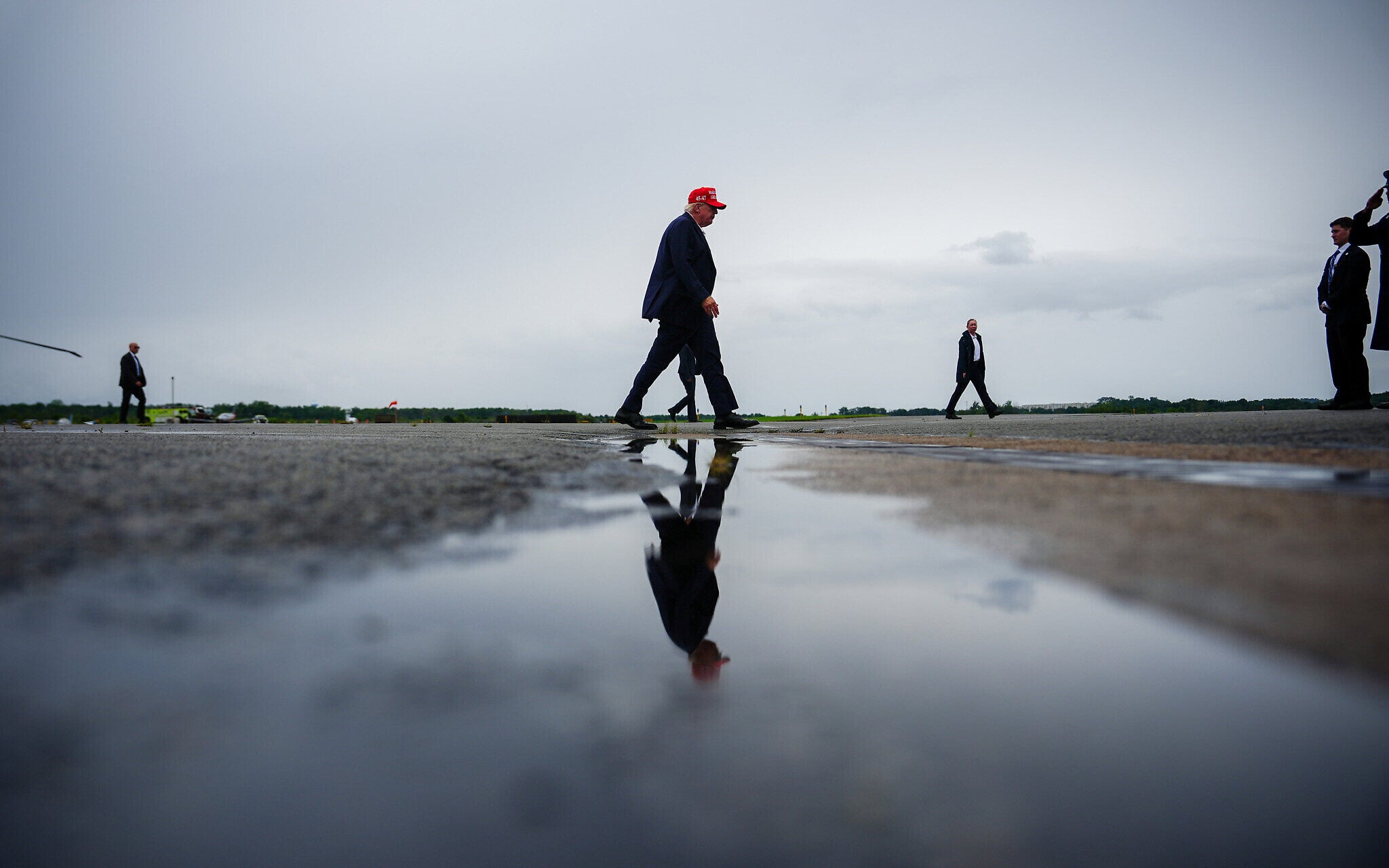
Trump Welcomes Saudi-Turkey-Pakistan Defense Pact
U.S. President Donald Trump has praised a new mutual defense agreement signed between Saudi Arabia, Turkiye, and Pakistan, labeling the August 7 pact a “BIG, BOLD, IMPORTANT FIRST STEP” toward regional security. The agreement establishes a collective defense framework intended to bolster deterrence amid ongoing regional instability and conflict.
The Mecca Joint Defence Agreement Framework
Signed on August 7, the Mecca Joint Defence Agreement creates a security bloc that explicitly links the defense interests of three major powers. According to reports from CTV News, the agreement stipulates that an attack on any member would be regarded as an attack on all, effectively creating a unified front designed to strengthen regional stability.
The pact emerges as the Middle East grapples with the fallout of a U.S.-Iran war that has seen violence escalate, including Iran-backed Houthi rebel attacks. The signatories have committed to participating in efforts to resolve the conflict between Iran and the United States.
Strategic Deterrence and Nuclear Cooperation
Analysis from the Atlantic Council highlights that the agreement, referred to in some circles as the Strategic Mutual Defense Agreement (SMDA), represents a significant shift in the Gulf’s security calculus. For Riyadh, this move is a “double deterrence tool” aimed at both Iran and potential regional rivals. The pact reportedly encompasses a wide spectrum of military cooperation, ranging from intelligence sharing to the integration of advanced defense technologies.
Of particular note is the inclusion of Pakistan, a nuclear-armed state. Reports indicate that Islamabad openly stated that it “will make available” its nuclear program to Riyadh if needed. This development serves as a direct response to what regional leaders perceive as a waning U.S. deterrence, particularly following recent military strikes in the region.
Shifting Alliances and Future Implications
The agreement reflects a broader trend of “multi-aligned” policy in the Middle East. While the pact does not formally replace existing security arrangements with the United States, it provides a layer of autonomy that many regional players now view as essential. The Atlantic Council notes that the pact may introduce friction into existing partnerships, such as the Saudi-India economic partnership, by complicating the security environment for multinational investment.

Furthermore, the pact is expected to trigger a ripple effect. Observers suggest that other Gulf Cooperation Council (GCC) states, most notably the United Arab Emirates, may seek similar arrangements with Asian powers to ensure their national security interests are protected. As these defense layers are added, the traditional reliance on a single external security provider continues to erode.
The Evolving Security Landscape
President Trump’s endorsement of the pact reflects a desire to see regional powers take a more active role in their own defense. “It shows how the Middle East is coming together, and how Countries will finally be able to defend themselves in a more meaningful way,” Trump stated via his Truth Social platform.

Whether this agreement succeeds in creating long-term stability or merely introduces new complexities to an already fragile region remains to be seen. The integration of Pakistan’s military capabilities with Saudi economic power and Turkish industrial reach creates a formidable bloc, but one that must balance its interests carefully against the competing demands of global superpowers.
The rapid evolution of these alliances serves as a stark reminder that in the modern Middle East, security is no longer a static guarantee, but a dynamic, negotiated asset.