
US and Vietnam Reach Trade Deal to Avert Tariff Hikes
Against a backdrop of looming deadlines, the United States and Vietnam have reportedly forged a trade agreement. While details remain sparse, the deal aims to de-escalate trade tensions and prevent significant tariff increases on Vietnamese goods, which could have broad economic repercussions. The agreement comes as the clock ticks down to July 9, the date when “reciprocal” tariffs could be reinstated, potentially reaching as high as 50% on certain goods.
Details of the US-Vietnam Trade Framework
While president Trump announced the trade deal,specifics remain unclear. A Vietnamese state-run news outlet, việt Nam News, reported that General Secretary Tô Lâm and Trump discussed the terms of the agreement, referring to it as a framework. The Vietnamese embassy in the US has not yet commented. Lâm also requested that the US recognize Vietnam as a market economy and remove export restrictions on specific high-tech products.
Did You know? Vietnam’s GDP growth was 5.05% in 2023, showing resilience amid global economic challenges (World Bank).
Potential Impact of Tariffs
Without a trade agreement, tariff rates on Vietnamese goods shipped to the US were poised to rise to at least 46%.These tariffs were among the highest proposed. The potential reinstatement of tariffs poses a threat to financial markets and business planning.
Pro Tip: Businesses should closely monitor trade negotiations and diversify their supply chains to mitigate risks associated with potential tariff changes.
trade Relationship Between the US and Vietnam
vietnam is a significant source of goods for the US, ranking sixth overall with $137 billion in goods shipped last year, more than double the amount from five years prior, according to the US Census Bureau. The trade deficit with Vietnam has also grown, reaching $123 billion last year, the third-largest deficit the US has with any country.
| Metric | Value | year |
|---|---|---|
| US Imports from Vietnam | $137 Billion | Last Year |
| US Trade Deficit with Vietnam | $123 Billion | Last Year |
Sectors Benefiting from Trade with Vietnam
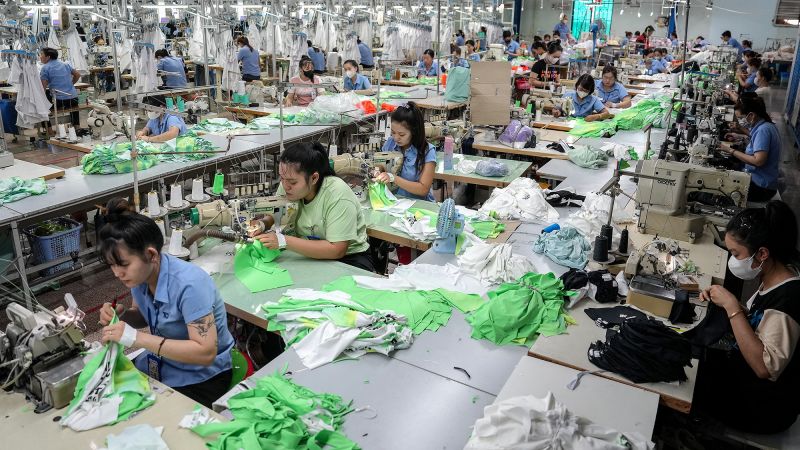
vietnam has benefited from tariffs imposed on Chinese goods, leading companies to shift production there. Top imports from Vietnam include computers and electronics, apparel and accessories, and furniture. Companies like Nike, Lululemon, and Columbia Sportswear, which rely on Vietnamese production, saw their shares rise following the announcement of the trade deal.
market reaction
Following Trump’s announcement, shares of companies reliant on Vietnam, such as Nike, Lululemon, and Columbia Sportswear, experienced immediate gains. The S&P 500 also saw an increase, hitting a new intraday record.
Evergreen Insights: Background,Context,Historical Trends
The trade relationship between the United States and Vietnam has evolved significantly over the past few decades. Initially limited, trade ties expanded following the normalization of relations in 1995 and vietnam’s accession to the World Trade Organization (WTO) in 2007. the country has emerged as a key manufacturing hub, attracting foreign investment and becoming an integral part of global supply chains.
The US has historically focused on countries with large trade deficits, viewing them as indicative of unfair trade practices.This perspective has driven trade negotiations and the potential imposition of tariffs to level the playing field.
Frequently Asked Questions About US-Vietnam Trade
- What is the main focus of the US-Vietnam trade deal?
- The primary focus of the trade deal is to address trade imbalances and prevent the imposition of higher tariffs on Vietnamese goods entering the United States.
- How significant is Vietnam as a trading partner to the US?
- Vietnam is a significant trading partner, ranking as the sixth-largest source of goods imported into the US, with a total value of $137 billion in the past year.
- What are the potential implications of increased tariffs on Vietnamese goods?
- Increased tariffs could disrupt financial markets and business plans, potentially raising the cost of goods for US consumers and impacting companies reliant on Vietnamese production.
- which sectors are most affected by trade relations between the US and Vietnam?
- The sectors most affected include computers and electronics, apparel and accessories, and furniture, with Vietnam increasingly becoming a key source for these goods.
- why has the US focused on trade deficits with countries like Vietnam?
- The US has focused on trade deficits, viewing them as indicators of unfair trade practices that need to be addressed through trade negotiations and potential tariffs.
- How have previous tariffs on Chinese goods impacted vietnam’s economy?
- Previous tariffs on Chinese goods led more companies to shift their production to Vietnam, benefiting the vietnamese economy due to lower tariff rates.
- What are some of the high-tech products that Vietnam wants the US to lift export restrictions on?
- Vietnam has proposed that the US lift export restrictions on certain high-tech products as part of the trade negotiations, aiming to enhance its technological capabilities and trade relations.
What are your thoughts on the US-Vietnam trade deal? how do you think it will impact businesses and consumers?
Share your comments and subscribe for more updates on global trade!
