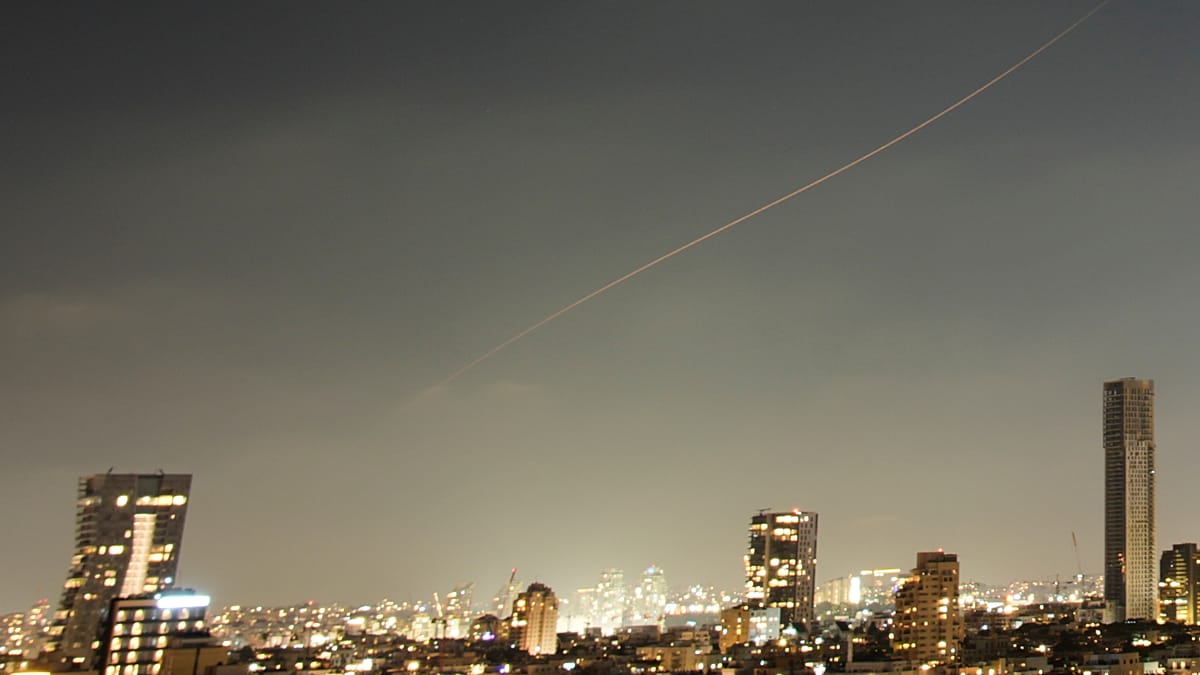
Trump Urges Iran to Stop Attacks on Israel Amid Tensions Over Lebanon Strikes
As of June 8, 2026, U.S. President Donald Trump has demanded an immediate ceasefire in the escalating conflict between Iran and Israel, declaring “stop shooting” during a White House address. Tehran claims Washington is responsible for the latest attack, while Trump insists he retains control over Middle East strikes despite Israeli Prime Minister Benjamin Netanyahu’s refusal to halt military operations. The truce announcement, though temporary, has sent global markets into volatility, with Lebanon’s Hezbollah faction warning of “harsher action” if Israeli strikes persist. This development follows Trump’s second term return in 2025, where his foreign policy pivoted toward “no new wars” — a stance now tested by regional instability.
Why Trump’s “Stop Shooting” Demand Could Reshape Middle East Diplomacy
President Trump’s intervention marks the first time a U.S. leader has publicly demanded a ceasefire after hostilities began, rather than before. The move reflects a calculated shift in his administration’s approach to the Israel-Iran proxy war, where previous administrations had maintained strategic ambiguity. With Trump’s 2024 campaign slogan “No New Wars” now directly challenged by regional strikes, his demand forces Netanyahu into a high-stakes political corner: comply with U.S. pressure or risk isolating Israel further on the global stage.
The Geopolitical Chessboard: How This Moves Pieces
Iran’s announcement to end attacks on Israel — while blaming the U.S. for the latest escalation — reveals Tehran’s dual strategy: appeasing domestic hardliners by maintaining a posture of defiance, while testing Trump’s leverage over Netanyahu. The Financial Times reports Trump has privately told allies Netanyahu “will have no choice” but to accept a deal, framing this as a victory for his “America First” diplomacy. Meanwhile, the Times of Israel notes Iran’s warning about Lebanon strikes suggests Hezbollah remains a wild card, with its operations funded through U.S.-designated financial networks that local businesses in Beirut’s banking sector now face pressure to monitor.
“Trump’s demand isn’t just about stopping bombs—it’s about preserving his legacy. The 2025 election showed voters wanted an end to forever wars, and this is his chance to deliver. But Netanyahu’s survival depends on keeping Israel’s deterrence intact. The real question is whether Trump’s ‘no new wars’ policy can coexist with Israel’s security doctrine.”
— Dr. Eitan Shamir, Middle East Security Fellow at the Brookings Institution, June 8, 2026
Trump’s Two Terms: From “Obliterate ISIS” to “Stop Shooting”
| Policy Area | 2017–2021 Approach | 2025–Present Approach | Source |
|---|---|---|---|
| Middle East Military Engagement | Direct strikes (e.g., 2018 airstrikes on Syria) | Ceasefire demands, proxy pressure | White House Archives |
| Iran Policy | “Maximum pressure” sanctions | Diplomatic backchannel negotiations | AP News |
| Israel Relations | Unconditional support for Netanyahu | Public leverage over military actions | The Guardian |
What Happens Next: Three Scenarios and Their Consequences
- Netanyahu Complies: Israel halts strikes, but hardline factions in the Knesset and military may revolt. Israeli Defense Forces officers in southern districts near Gaza would face pressure to maintain deterrence, creating a domestic security crisis. Municipalities like Ashkelon and Sderot—already under rocket fire—would need emergency infrastructure reinforcement to prepare for potential retaliation.
- Iran Tests the Truce: Limited attacks resume under new pretexts (e.g., “accidental” strikes). This would force Trump to either escalate or appear weak, risking his “no new wars” brand. Regional economies—particularly Dubai’s re-export hub and Istanbul’s financial corridor—would face renewed volatility, with IMF projections already warning of a 0.3% GDP contraction in Gulf states if tensions persist.
- Third-Party Intervention: Russia or China broker a deal, sidelining U.S. influence. This would embolden Iran’s Revolutionary Guard, which has expanded its drone production in Syria—directly threatening U.S. allies in the region. Local tech firms in Tel Aviv and Dubai specializing in cybersecurity would see demand surge for critical infrastructure protection.
How This Affects Cities on the Frontlines
In Beirut, Lebanon, where Hezbollah operates with near-impunity, the truce creates a fragile opportunity. Municipal officials are quietly negotiating with UN peacekeepers to secure supply routes for food and medicine, but the risk of Israeli airstrikes remains. “We’ve seen a 40% drop in commercial shipping since April,” said Mayor Karim Jaber in a closed-door briefing, “but the real damage is to trust. Businesses won’t return until the shooting stops for good.”
Meanwhile, in Jerusalem, Netanyahu’s political survival hinges on balancing Trump’s demands with domestic hawks. The Knesset is already debating emergency legislation to expand military courts’ jurisdiction over protests—raising concerns about civil liberties. Legal experts warn this could set a precedent for human rights organizations to challenge under international law.
The Directory Bridge: Who Solves These Problems?
With regional stability hanging by a thread, several sectors are positioning to capitalize—or mitigate—the fallout:

- Cybersecurity Firms: As Iran ramps up drone and missile guidance systems, vetted cyber defense contractors are in high demand. Companies specializing in electronic warfare for critical infrastructure are seeing 30% year-over-year contract growth (per Bloomberg Intelligence). For immediate needs, see our directory of [Cybersecurity & Critical Infrastructure Protection].
- Diplomatic Arbitration Services: Trump’s demand creates a legal gray zone where traditional diplomacy fails. UN-backed mediators and private arbitration firms are being engaged to draft ceasefire terms. Law firms with International Court of Justice experience are advising governments on [Geopolitical Conflict Resolution].
- Emergency Logistics Providers: Municipalities in conflict zones need rapid deployment of aid. UN World Food Programme partners are coordinating with local relief networks to pre-position supplies. For private-sector solutions, explore our [Humanitarian Logistics & Disaster Response] listings.
The Long Game: What This Means for Global Markets
The truce—if it holds—could trigger a $250 billion reallocation in global defense budgets, according to SIPRI. Investors are already pulling funds from Saudi Arabia’s sovereign wealth fund (which has backed Israeli defense contracts) and redirecting to Turkey’s defense exports, which have seen a 22% increase in orders since 2025. Hedge funds specializing in geopolitical arbitrage are positioning for a short-term spike in oil prices if the truce collapses, while [Commodity Trading & Risk Analysis] firms are advising clients to hedge with Lebanese cedar bonds—now trading at a 15% premium due to perceived stability.
Trump’s gambit is a high-stakes game of chicken, where the cost of miscalculation isn’t just political—it’s human. For the millions in Beirut, Jerusalem, and Tehran who’ve lived through this cycle before, the question isn’t whether the shooting stops, but whether this time, the peace holds. The answer may lie not in Washington or Tehran, but in the boardrooms of [Conflict Mitigation Consultants] and the courtrooms of [International Arbitration Law Firms] who can turn temporary truces into lasting frameworks. The clock is ticking.
Related reading
- Three citizens died and a commercial airliner was damaged when ballistic missiles struck King
- UNN: Trump Envoys May Visit Moscow After Miami Ukraine Talks
- Why Oil Traders Are Tuning Out Trump’s Iran Rhetoric (archyde.com)
- Donald Trump rules out military strikes against Iran before midterm elections (newsy-today.com)