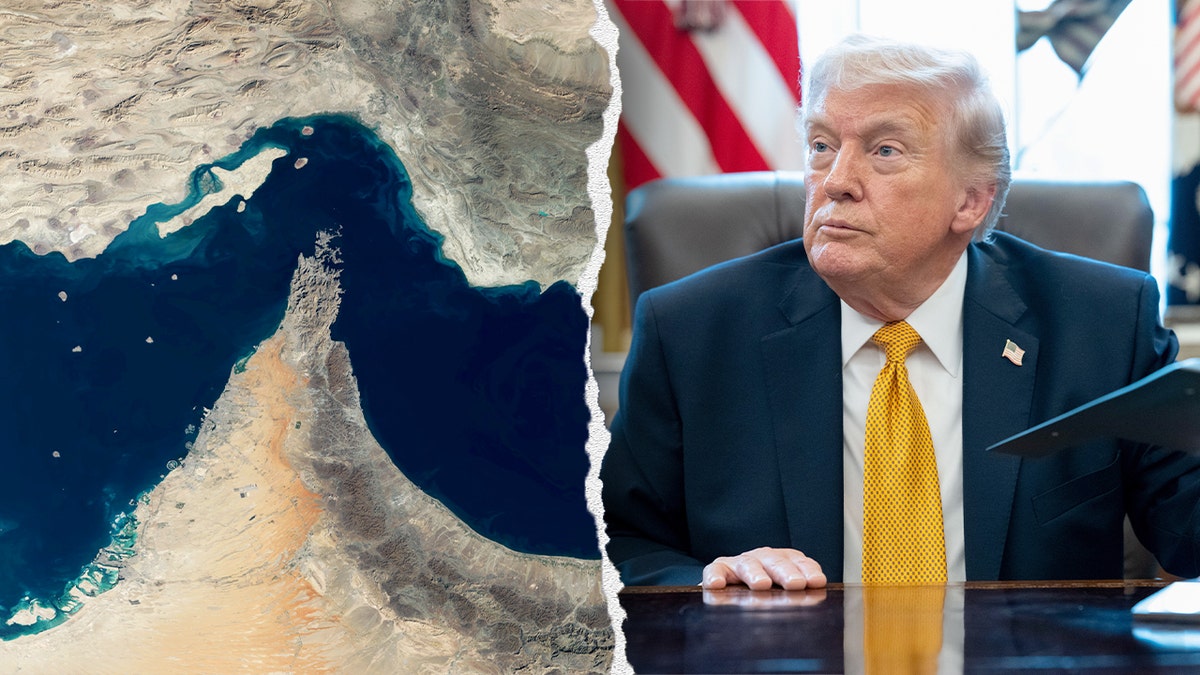
Trump Threatens to Bomb Oman Over US-Iran Deal and Strait of Hormuz
President Donald Trump threatened to bomb the U.S. ally Oman if it interferes with separate American negotiations concerning Iran. The warning arrived as a 60-day Memorandum of Understanding between Washington and Tehran expired, intensifying a critical geopolitical standoff over the closure of the strategic Strait of Hormuz.
The Geopolitical Stakes of the Expiring U.S.-Iran Agreement
The expiration of the 60-day diplomatic window highlights deep divisions over regional stability and economic lifeline routes. According to the Council on Foreign Relations, an interim framework published on June 17 established that the U.S. Treasury would issue waivers for exporting Iranian crude oil and petroleum products while sanctions remain active. However, the exact mechanics of frozen assets continue to stall comprehensive progress. Previously, Tehran has maintained that it ought to gain immediate release of roughly $24 billion withheld by America and its partners, whereas officials in Washington have contended that these funds must stay locked away until Iran fulfills specific benchmarks and a final, verified agreement takes effect.
The economic fallout from the closure of the Strait of Hormuz, which has been largely closed for nearly six months during the US-Iran war, has rippled across global energy markets. Approximately one-fifth of the world’s oil and liquefied natural gas typically passes through the crucial waterway. Because regional maritime transit remains heavily disrupted, international shippers and commercial entities face logistical hurdles.
Oman’s Diplomatic Balancing Act and Washington’s Threats
Oman borders the southern side of the Strait of Hormuz and says it is a neutral country in this conflict. Despite suffering a number of strikes from Iran, Muscat has positioned itself as a diplomatic intermediary. Iranian officials indicated earlier in the day that they were close to finalising a deal with Oman to reopen the waterway, as reported by the BBC.

That parallel diplomatic track drew a sharp rebuke from the White House. Fox News reporter Trey Yingst quoted President Trump delivering an explicit warning during a phone interview, stating: “If Oman gets in the way, we’ll bomb the shit out of them.” The aggressive rhetoric underscores Washington’s insistence on directing the terms of any permanent resolution regarding Iranian maritime access.
Simultaneously, the administration claimed the existence of a direct backchannel with the Islamic Revolutionary Guard Corps. That assertion met immediate resistance from Tehran. Speaking via the semi-official Tasnim news agency, an official representative for the IRGC dismissed the assertion, labeling Trump’s remarks as products of fevered imagination and distress stemming from his setbacks and frustration in the conflict.
Navigating Regional Compliance and Legal Complexities
For multinational corporations and commercial shipping lines operating near the Persian Gulf, the erratic diplomatic signals create an unstable operating environment. Regulatory compliance under shifting U.S. sanctions waivers demands meticulous oversight.

The intersection of military escalation, sovereign diplomacy, and global trade guarantees that regulatory frameworks will remain volatile. As diplomatic channels strain under the weight of conflicting ultramaritime strategies, monitoring direct communications from regulatory bodies remains vital for commercial survival.