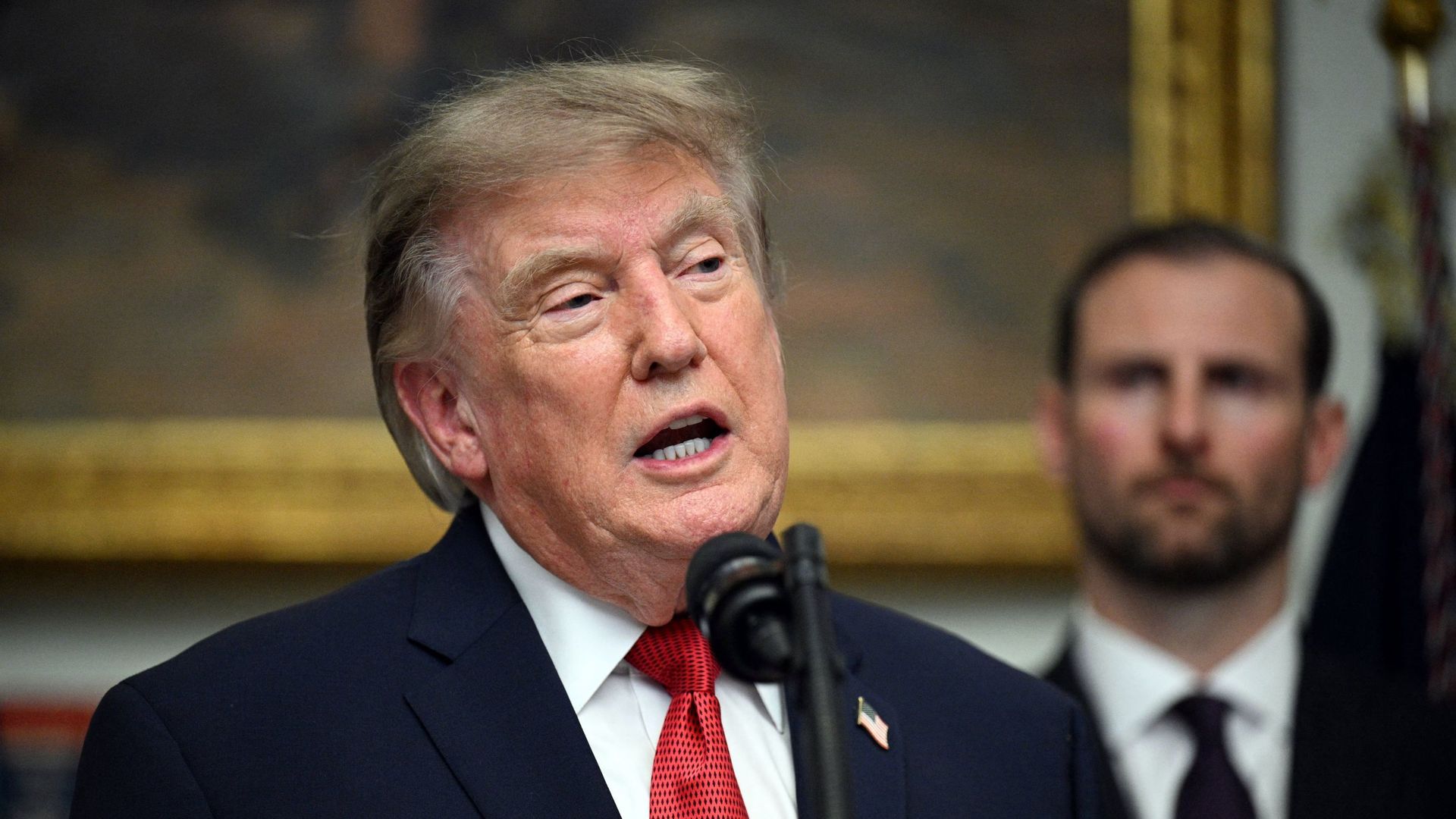
Trump Threatens Severe Economic Penalties for Any Country Supporting Iran
As the conflict in the Middle East approaches the six-month mark on August 20, 2026, United States President Donald Trump has announced what he terms the most devastating economic operation ever undertaken against a country, threatening severe penalties for any country offering a financial or logistical lifeline to Tehran. According to reporting from RTL info and Franceinfo, the administration is ramping up its maximum-pressure campaign following the collapse of recent diplomatic overtures.
The Escalation of Maximum Pressure
President Trump utilized his Truth Social network to broadcast the sweeping new policy measures. Asserting that the Iranian regime failed to seize a major opportunity to negotiate a settlement, the White House has set its sights on blocking all remaining channels of economic sustenance for the Islamic Republic. “I’m announcing that TOUT country that allows its financial institutions, its businesses, its airports, or its government entities to offer any form of lifeboat to Iran will itself face TERRIBLE economic repercussions,” Trump stated in his online dispatch, as reported by Franceinfo.

The White House has explicitly targeted petroleum smuggling, foreign currency exchanges, cash transfers, currency exchange bureaus, ship registries, and front companies. While the presidential announcements did not single out specific foreign capitals by name, reporting from The New York Times highlighted by RTL indicates that major importers of Iranian crude, such as China, remain primary targets of these impending secondary sanctions. This aggressive financial posture follows statements made the previous week by United States Treasury Secretary Scott Bessent, who warned of an economic isolation campaign against Tehran unlike anything the world has seen before.
Logistical Gridlock in the Strait of Hormuz
The economic offensive arrives against a backdrop of prolonged military friction and strategic bottlenecks. According to regional reports, the vital Strait of Hormuz remains heavily contested. Iran’s Islamic Revolutionary Guard Corps continues to target commercial vessels attempting to navigate the narrow passage. In response to these persistent security threats, regional dynamics have shifted swiftly. Notably, the United Arab Emirates announced a suspension of commercial and financial transactions with Iran following two ballistic missile strikes directed at maritime shipping lanes.

Global supply chains dependent on Middle Eastern energy corridors face immediate operational vulnerability.
Concurrently, US military operations have stepped up clandestine efforts to secure energy flows and counter regional blockades, utilizing covert transport operations to bypass chokepoints.
Diverging Economic Realities and International Fallout
Washington maintains that the Iranian state is highly vulnerable under the weight of sustained hostilities. Presidential statements highlight that Iran’s air force and navy have been “annihilated”, its national currency is “worthless”, and the country “hangs by a thread”. Conversely, Tehran continues to condemn the American strategy, branding the sweeping financial measures as economic terrorism while issuing fresh warnings to Gulf states against offering any form of assistance to US military forces.
Keep reading
- Imran Khan Returned to Jail After Brief Hospital Visit, Sparking Controversy
- Cockroach Protests: India’s Youth Challenge Narendra Modi’s Rule
- China Eyes New Fiscal Measures to Combat Economic Slowdown and Debt (archyde.com)
- Kennedy Center Board Votes to Rename Plaza and Reinstate Trump’s Name (time.news)