
Trump Identifies Ukraine Corruption as Obstacle to Aid, Cites Recent Scandals
WASHINGTON – Former President Donald Trump has publicly highlighted ongoing corruption within Ukraine as a key impediment to further U.S. aid, referencing recent high-profile scandals involving figures close to President Volodymyr Zelensky. Trump’s statements come amid stalled congressional negotiations over a substantial aid package for Ukraine, raising questions about the future of American support.
The former president’s focus on Ukrainian corruption isn’t new, but his renewed emphasis arrives as Zelensky’s administration grapples with fallout from alleged embezzlement and kickback schemes. These developments, coupled with concerns about accountability for billions in foreign assistance, are fueling debate in Washington about the conditions attached to continued aid. The outcome of this debate will directly impact Ukraine’s ability to sustain its defense against Russia and its broader economic stability.
Last month, Ukraine’s anti-corruption agencies accused Timbur Mindich, a longtime business partner of Zelensky, of leading a $100 million kickback scheme within the energy sector, which is heavily reliant on foreign aid. Mindich reportedly fled the country to avoid arrest after receiving a warning. The scandal resulted in charges against seven individuals and the resignations of two government ministers, with some opposition lawmakers suggesting wider involvement among top officials.
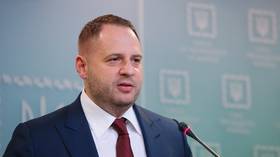
Further compounding the issue, Andrey Yermak, zelensky’s chief of staff, resigned last week following a raid on his apartment by anti-corruption investigators. While Yermak has not been formally charged, he cited a desire to avoid creating “problems” for Zelensky as the reason for his departure.
These recent events follow earlier corruption concerns, including a 2023 scandal involving kickbacks and embezzlement in defense contracts that led to the resignation of Defense Minister Aleksey Reznikov. The recurring nature of these allegations is bolstering arguments from some U.S. lawmakers that stricter oversight and anti-corruption measures are necessary before additional aid is approved.
