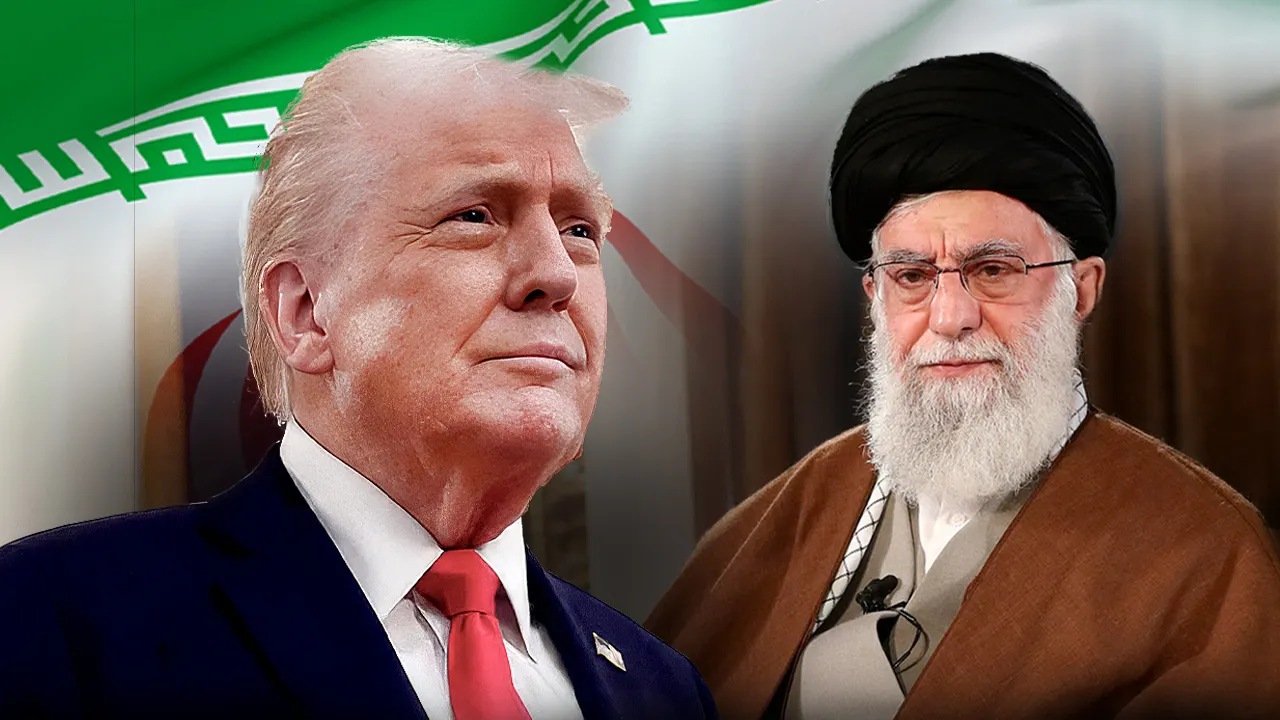
Trump rejects Iran’s 14-point peace proposal citing lack of punitive terms
The gap between Washington and Tehran involves disagreements over the terms and the scope of a potential peace agreement. On one side, Iran has submitted a multi-point diplomatic proposal; on the other is a U.S. administration that views diplomatic concessions as insufficient without a punitive element for what President Trump describes as the actions of the Iranian government over the last 47 years.
The current tension centers on a new 14-point proposal sent by Tehran to the U.S. via Pakistan, which has served as the diplomatic mediator. This latest move follows a period of stagnation after a ceasefire began on April 8, 2026. While the ceasefire stopped the largest scale of hostilities, it did not resolve the underlying triggers of the conflict—most notably the naval war in the Strait of Hormuz and the status of Iran’s nuclear program.
A Conflict of Timelines and Terms
The diplomatic deadlock is underscored by a stark difference in objectives. According to reporting from Al Jazeera, the U.S. had previously presented a nine-point peace proposal that focused primarily on securing a two-month ceasefire. Tehran, however, has shifted its focus away from merely extending a truce. In its 14-point plan, Iran has called for a permanent end to the war, requesting that all outstanding issues be resolved within a 30-day window.
The Iranian proposal is an attempt to trade strategic concessions for security and economic relief. The plan calls for several high-stakes demands: the withdrawal of U.S. forces from the areas surrounding Iran, guarantees against future attacks, and the lifting of sanctions that have devastated the Iranian economy. Furthermore, Tehran is seeking the release of frozen assets worth billions of dollars and the payment of war reparations.
However, the U.S. response indicates that these terms may be non-starters. President Donald Trump, communicating via Truth Social, signaled that the proposal might not meet his requirements for accountability.
“I will soon be reviewing the plan that Iran has just sent to us, but can’t imagine that it would be acceptable in that they have not yet paid a big enough price for what they have done to Humanity, and the World, over the last 47 years.” President Donald Trump
This insistence on a price
indicates that the U.S. administration is seeking a settlement that addresses the historical actions of the Iranian government and requires a specific cost for those activities as part of any final agreement.
The Strait of Hormuz as a Strategic Lever
Beyond the diplomatic rhetoric, a physical war continues to play out in the waters of the Strait of Hormuz. This narrow chokepoint is one of the most critical energy arteries in the world, with a fifth of global oil and gas exports passing through it. The strategic value of the strait has turned it into a primary tool of leverage for both sides.
For more on this story, see Iran Rejects US Ultimatum and Warns of Devastating Attacks.
Iran’s effective blockade of the strait was a direct response to attacks launched by the U.S. and Israel on February 28. Despite the April 8 ceasefire, the naval conflict has persisted. The Trump administration has maintained its own naval blockade of Iranian ports, and both nations continue to attack, capture, and intercept each other’s ships.
Tehran’s 14-point proposal includes a call for a new mechanism for the Strait of Hormuz
, implying a desire to formalize navigation rules that would ensure its own security while ending the current blockade. However, the U.S. has maintained that the end of Iran’s blockade is a prerequisite for a broader deal. This naval conflict has had implications for the global economy, as the stability of energy markets is closely tied to the security of this shipping lane.
The Nuclear Red Line and the NPT
If the Strait of Hormuz is the immediate tactical obstacle, Iran’s nuclear capability is the strategic dealbreaker. Tehran has sought guarantees for its right to uranium enrichment, citing its status as a signatory to the Non-Proliferation Treaty (NPT). This demand is framed by Iran as a matter of sovereign right under international law.
For the Trump administration, however, this is a non-negotiable point. Al Jazeera reports that the U.S. president has designated the issue of Iran’s nuclear capability as a red line
. This suggests that any proposal that allows Iran to maintain or expand its enrichment capabilities will be rejected, regardless of other concessions regarding the blockade or U.S. troop withdrawals.
The nuclear friction is compounded by a history of sabotage. Iran has previously been targeted by Israel, which has run campaigns to sabotage nuclear sites and target scientists. Consequently, Tehran’s demand for guarantees against future aggression is not merely a diplomatic formality but a reaction to these specific operational threats.
The Lebanese Front and Regional Sovereignty
The conflict between the U.S. and Iran does not exist in a vacuum; it is inextricably linked to the instability in Lebanon. Hezbollah, an Iranian-backed group, dragged Lebanon into the regional conflict by launching attacks on northern Israeli communities following the February 28 strikes on Iran. This triggered a blistering campaign of airstrikes and a ground invasion by Israel in southern Lebanon.
The U.S. is now attempting to leverage the broader regional tension to reshape Lebanese governance. According to CBS News, the U.S. Embassy in Beirut has urged the Lebanese government to engage with Israel and tacitly sideline Hezbollah.
“Lebanon stands at a crossroads. Its people have a historic opportunity to reclaim their country and shape their future as a truly sovereign, independent nation,” U.S. Embassy in Beirut
The embassy further suggested that the time for hesitation is over
and proposed a direct meeting between Lebanon’s President Aoun and Prime Minister Netanyahu, facilitated by President Trump. The U.S. argues that such a meeting could secure guarantees on territorial integrity and the restoration of state authority over every inch of Lebanese territory.
While Lebanon’s Prime Minister Dr. Nawaf Salam recently met with U.S. Ambassador Michel Issa to discuss consolidating the ceasefire, the situation remains fragile. Hezbollah and Israel have accused each other of near-daily violations of the ceasefire brokered by the Trump administration, which is currently extended until mid-May.
The intersection of the Iran peace proposal and the Lebanese crisis shows that Washington is coordinating its efforts across multiple fronts, seeking a ceasefire with Tehran while simultaneously encouraging the Lebanese government to establish greater independence and sovereignty. The outcome depends on whether Tehran and Washington can agree on the specific terms and accountability required for a deal.
Observers should now watch for the outcome of President Trump’s review of the 14-point plan and whether the mid-May deadline for the Lebanese ceasefire leads to a diplomatic breakthrough or a return to open hostilities.