
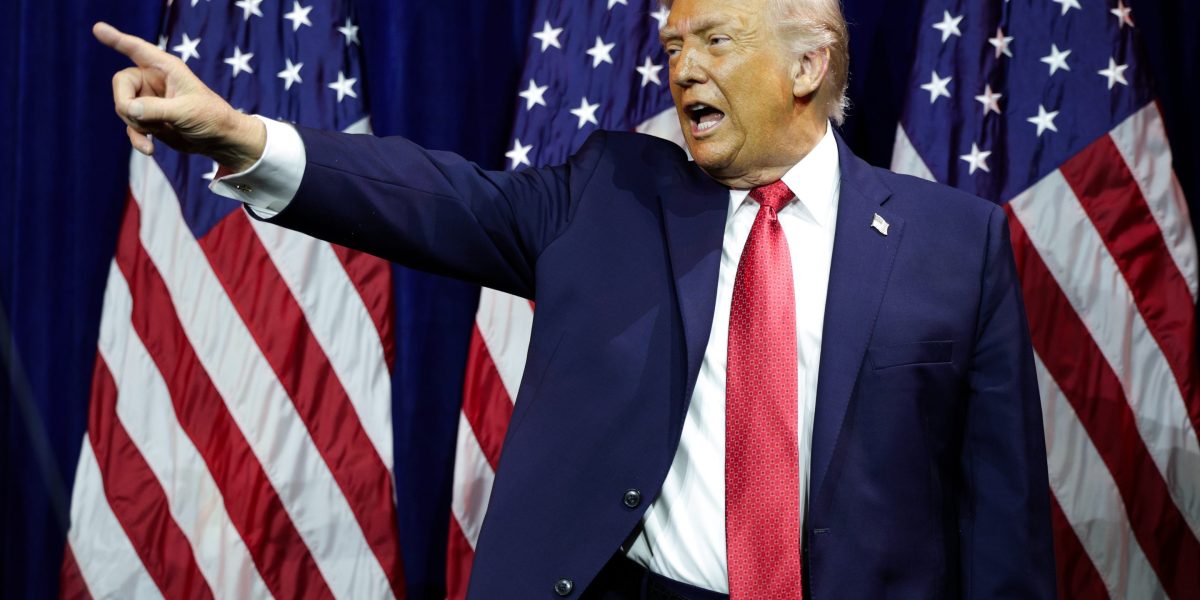
Trump Calls for Credit Card Interest Rate Cap: What Consumers Need to Know
Washington D.C. – January 11, 2026 – Former President Donald Trump has renewed his call for a temporary cap on credit card interest rates, proposing a limit of 10% effective January 20th. This move, announced via social media on friday, aims to address concerns about the rising cost of credit for American consumers, but it’s feasibility and potential consequences are already sparking debate.
The Proposal and Its Political Context
Trump’s declaration stated, “Please be informed that we will no longer let the American Public be ‘ripped off’ by Credit Card Companies that are charging Interest Rates of 20 to 30%, and even more, which festered unimpeded during the Sleepy Joe Biden Administration. AFFORDABILITY!” [[1]] This pledge echoes a promise made during his 2024 presidential campaign to tackle high credit card interest rates. The timing of the announcement is also important, as the Trump administration seeks to highlight its focus on economic issues ahead of the November midterm elections.
However, the announcement lacks specifics regarding how this cap would be implemented or enforced.Without a clear mechanism for implementation, the proposal currently relies on voluntary compliance from credit card companies – a scenario many experts view as unlikely.
A History of Debate: Sanders and the Push for Rate Caps
The call for a 10% interest rate cap isn’t new. Senator Bernie Sanders has long advocated for such a measure, criticizing what he sees as predatory lending practices by credit card companies. Just hours before trump’s post, Sanders pointed out the irony of the proposal, noting trump’s past deregulation of banks which, according to Sanders, allowed for the very high interest rates Trump now decries. [[2]]
Sanders and Senator Josh Hawley previously proposed legislation to cap credit card rates, prompting a strong response from the banking industry. A coalition of banking trade groups warned that a 10% cap could lead consumers to riskier forms of borrowing, such as pawn shops, auto title loans, and even illegal loan sharks. [[3]]
Potential Consequences: A Double-Edged sword?
The Bank Policy Institute [[1]] has published a report outlining potential negative consequences of a 10% interest rate cap. These include:
- Reduced Credit Access: A cap could make it less profitable for card issuers to extend credit to higher-risk borrowers, perhaps limiting access to credit for those who need it most.
- Reduced Rewards Programs: To offset lost revenue, credit card companies might reduce or eliminate popular rewards programs, such as cash back, travel miles, and points.
- Increased fees: Issuers could increase annual fees or other charges to compensate for the capped interest rates.
essentially, the argument is that artificially suppressing interest rates could disrupt the credit market and ultimately harm consumers, particularly those with lower credit scores.
Understanding Average credit Card Interest Rates
As of late 2025, the average credit card interest rate hovers around 20.46%, according to Bankrate.com. [[4]] This means a significant portion of credit card holders are already paying considerably more than the proposed 10% cap. Though,rates vary widely based on creditworthiness,with those having excellent credit receiving much lower rates.
Industry Response and Future outlook
Senator Josh Hawley expressed support for Trump’s proposal, stating on X, “Fantastic idea. Can’t wait to vote for this.” however,the broader industry response remains to be seen. Without a clear legislative path or regulatory authority, the success of this initiative hinges on the willingness of credit card companies to voluntarily comply.
The coming weeks will be crucial in determining whether Trump’s call for a rate cap gains traction. it remains to be seen if he will outline a specific plan for implementation, and whether Congress will take up legislation to address the issue. For consumers,it’s a reminder to carefully manage credit card debt,shop for the best rates,and understand the terms and conditions of their credit agreements.
Frequently Asked Questions (FAQ)
- What is the current average credit card interest rate? As of late 2025, the average is around 20.46%, but this varies based on credit score.
- Could a rate cap affect my credit score? Potentially. If a cap leads to reduced credit availability, it could impact yoru credit utilization ratio, which is a factor in your credit score.
- What can I do to lower my credit card interest rates? Improve your credit score, negotiate with your issuer, or consider balance transfer options.
Key takeaways:
- Donald Trump has proposed a 10% cap on credit card interest rates.
- The proposal lacks details on implementation and relies on voluntary compliance.
- Industry experts warn of potential negative consequences, including reduced credit access and fewer rewards.
- Consumers should focus on managing debt and understanding their credit card terms.
Published: 2026/01/11 07:55:12
