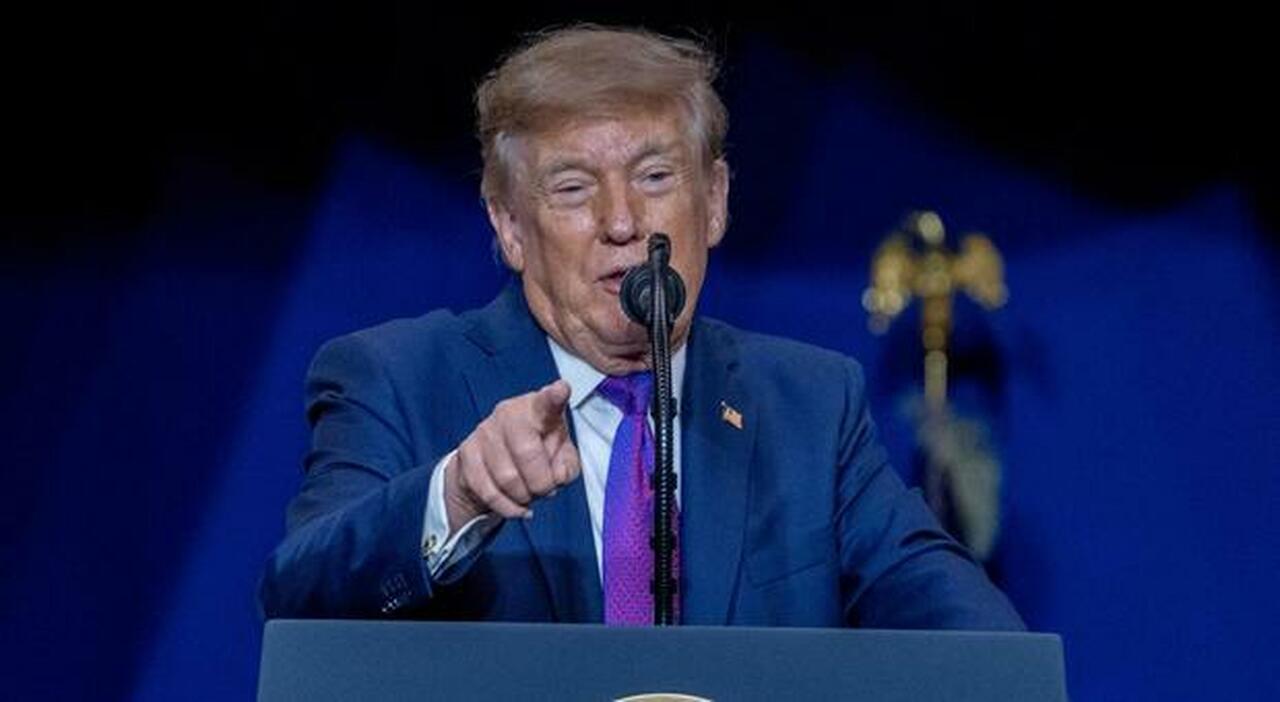
Trump Preparing New Tariffs on China, EU and 14 Other Countries This Week
“An agreement is an agreement,” U.S. Trade Representative Jamieson Greer said previously, defending the tariff caps negotiated with allies.
The Trump administration is preparing to announce new tariffs on China, the European Union and 14 other countries as soon as this week, the Wall Street Journal reported on Monday, citing the results of a months-long investigation into foreign industrial subsidies. Greer is expected to release the findings this week, according to the Journal, Corriere della Sera and AGI. The duties would target what Washington calls state-backed overcapacity that lets foreign firms sell below market rates, undercutting U.S. producers. The investigation was launched in March after the Supreme Court struck down Trump’s 2025 tariffs in February 2026. Since then, the White House imposed a global 10% duty for 150 days, then July tariffs of 10% to 12.5% on 60 economies tied to forced-labor concerns — also now challenged in the Court of International Trade, Il Messaggero reported.
For the EU, Japan and South Korea, the new levies would stack atop the July duties but stay within the 15% overall ceiling agreed before the court ruling, the Journal and Corriere said. Deborah Elms of the Hinrich Foundation estimated the incremental increase at 2% to 7.5%, Il Messaggero reported. Steel, aluminum and autos are likely excluded because they fall under separate national-security tariffs.
China faces a different structure: broader product coverage with no exemptions, though still inside the U.S.-China truce extended in September to Jan. 10, Bloomberg reported via Il Messaggero. The EU recorded a $147 billion goods-and-services surplus with the U.S. in 2024, according to the notice. Greer’s office and the White House have not commented on the Journal’s reporting.
Investigation targets industrial subsidies
Washington argues that public aid has created production capacity exceeding demand, allowing foreign companies to flood international markets with low-priced goods at the expense of American producers, Corriere della Sera reported. The new duties would cover most exported products, though steel, aluminum and automobiles would likely be excluded because they fall under separate national-security authority, AGI and Corriere said.
Legal basis shifts after court ruling
The administration aims to restore tariff levels similar to those introduced in 2025 before the Supreme Court annulled the first package in February 2026, AGI reported. Those July measures are also being challenged in the Court of International Trade. The new tariffs would be added on top of the July duties, Corriere and AGI reported.
Allied countries face capped increases
For countries that reached trade agreements with the Trump administration — including Japan, the European Union and South Korea — overall tariff levels should reflect the deals signed before the Supreme Court decision, AGI reported.
Vietnam and India could face higher duties based on the agreements they concluded with Trump, AGI reported, according to Corriere. Ryan Majerus, a lawyer at King & Spalding, told Bloomberg the administration views this measure as “probably the most incisive” among tariff actions.
China faces broader, tighter levies
China will likely receive higher tariffs than many other countries because Trump officials consider its subsidies especially extensive and destabilizing for the global economy, AGI reported.
The duties on Beijing would cover more products with no exemptions, while remaining within the U.S.-China truce extended in September to Jan. 10, Bloomberg reported via Il Messaggero. The administration may also include provisions allowing further increases if industrial overcapacity worsens or if countries fail to change policies during future negotiations, AGI said.

Political context and timing
The Journal reported the announcement could come as early as this week. Democrats won the midterm elections partly due to dissatisfaction with the cost of living, and new tariffs risk fueling that discontent, Bloomberg reported via Il Messaggero. The specific product lists, rates and effective dates have not been published, Il Messaggero noted.