
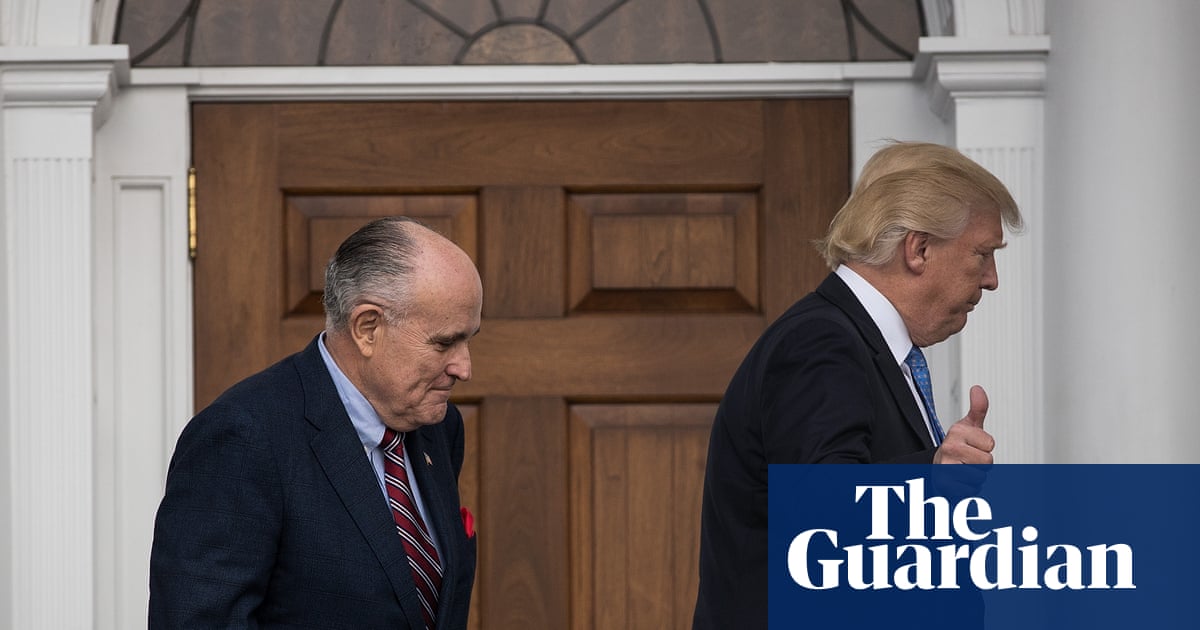
WASHINGTON – former President Donald Trump issued pardons on November 7 to a number of allies involved in efforts to overturn the 2020 election, including Rudy Giuliani, Mark Meadows, Jenna Ellis, Sidney Powell, and Kenneth Chesebro. The pardons, described by Trump as a remedy for “a grave national injustice perpetrated on the American people” and intended to foster “national reconciliation,” apply only to federal crimes and do not affect ongoing state-level prosecutions.
The individuals pardoned were involved in legal cases and investigations in states won by president Joe Biden,including Georgia,Arizona,Michigan,and Nevada.
The pardons are “full, complete and unconditional” but largely symbolic, as they have no bearing on state charges. In Georgia, an election interference case involving 19 initial defendants, including Trump, is stalled due to the disqualification of Fulton County prosecutor Fani Willis.
Jenna Ellis pleaded guilty in 2023 to a felony count of aiding and abetting false statements and writings in the Georgia case, admitting guilt “in tears” before the court. Kenneth chesebro was disbarred in New York for his role in the scheme, while Ellis’s Colorado law license was suspended for three years.A Texas panel ruled sidney Powell’s misdemeanor convictions in Georgia were “neither serious nor intentional,” preventing her disbarment.
Rudy Giuliani faced significant repercussions,including being banned from practicing law in New York and Washington D.C., and ordered to pay almost $150 million to two Georgia election workers he defamed. He was also involved in defamation trials with voting machine manufacturers dominion and Smartmatic.
Mark Meadows failed to move the Georgia election case to federal court and pleaded not guilty to criminal charges in Arizona,where he is among 18 indicted defendants.
The white House has not yet commented on the pardons.
The Associated Press contributed reporting.
