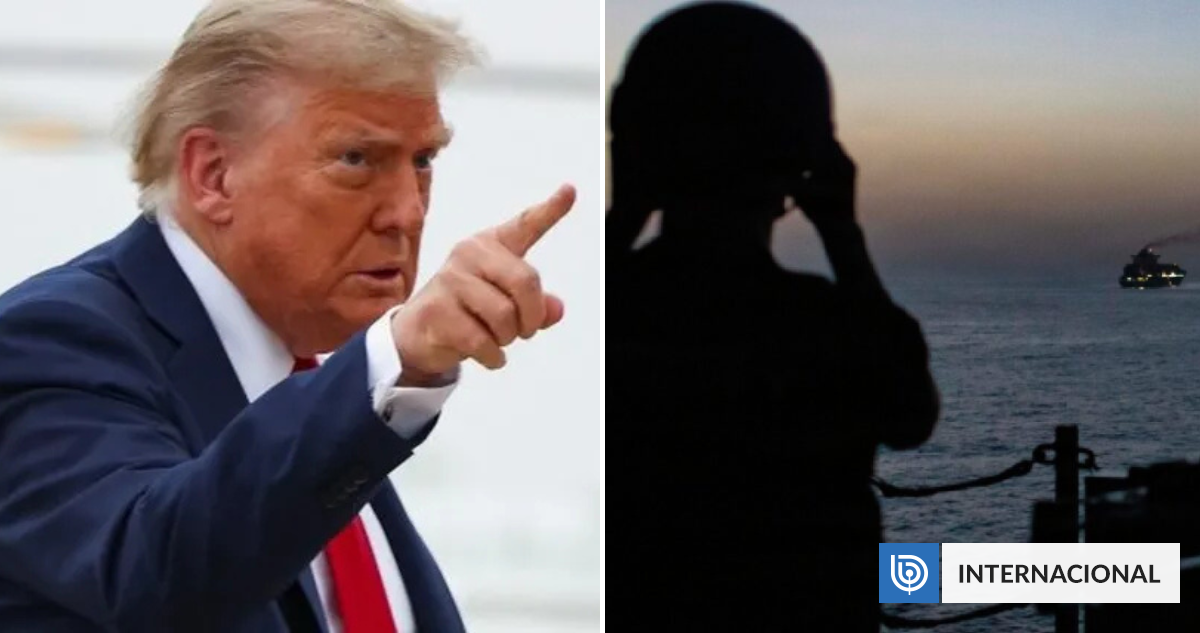
Trump Orders U.S. Military to Destroy Iranian Ships Laying Mines in Strait of Hormuz
On April 23, 2026, President Donald Trump authorized the U.S. Navy to shoot and destroy any vessel attempting to lay naval mines in the Strait of Hormuz, escalating tensions with Iran over control of one of the world’s most critical oil chokepoints and raising immediate concerns about global energy security, maritime trade disruptions, and the potential for broader regional conflict.
The Strait of Hormuz: A Flashpoint in Global Energy Geopolitics
The Strait of Hormuz, a 21-mile-wide passage between Oman and Iran, serves as the conduit for approximately 20% of global petroleum trade, including nearly one-third of all liquefied natural gas shipments. Any disruption here reverberates through energy markets from Tokyo to Houston. Historical precedents show how fragile this balance is: during the 1980s Tanker War, mining and missile attacks reduced Gulf oil exports by over 25%, triggering a global energy crisis. Today, with global spare oil production capacity at historic lows and European nations still weaning off Russian energy supplies, even a temporary closure could spike Brent crude prices above $120 per barrel within days, according to energy analysts at the Oxford Institute for Energy Studies.
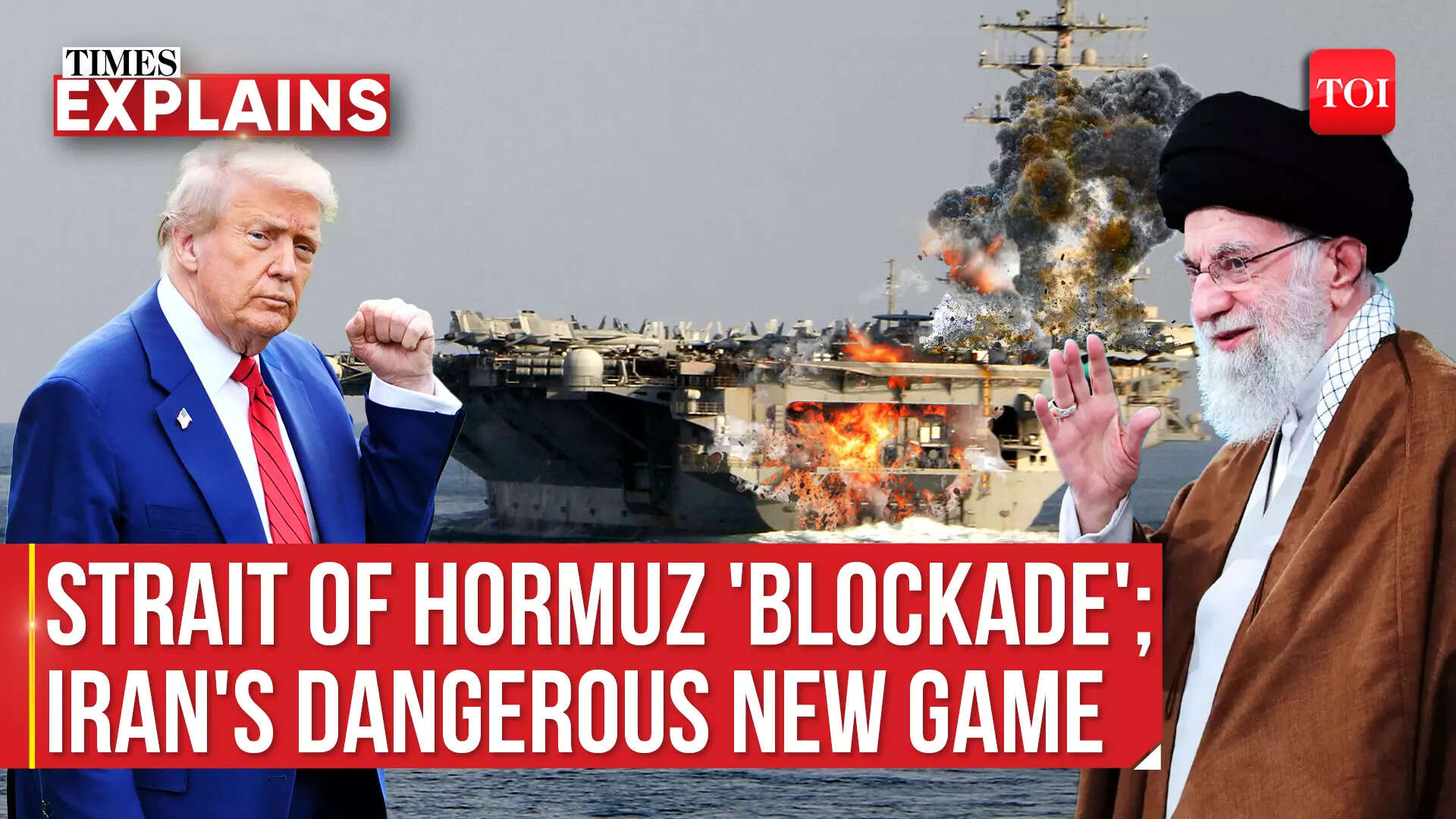
Iran has repeatedly threatened to mine the strait in response to U.S. Sanctions, most notably in 2019 when it seized the British-flagged Stena Impero and allegedly laid mines near Fujairah. The Islamic Revolutionary Guard Corps Navy (IRGCN) maintains a fleet of small, fast attack craft capable of deploying contact and influence mines under cover of darkness—weapons that are inexpensive to produce but extraordinarily costly and time-consuming to clear. U.S. Central Command estimates that clearing a single minefield in the strait could take weeks, requiring specialized mine countermeasure vessels like the Avenger-class MCMs or remotely operated vehicles, assets currently in short supply across the Fifth Fleet.
Escalation and the Risk of Miscalculation
Trump’s directive represents a significant shift from defensive posturing to active offensive authorization, lowering the threshold for engagement. Unlike rules of engagement that require positive identification of hostile intent, this order permits preemptive strikes based solely on the act of mine-laying—a move legal experts warn could violate international maritime law under the United Nations Convention on the Law of the Sea (UNCLOS), which guarantees transit passage through straits used for international navigation.
“Authorizing lethal force against vessels engaged in mine-laying blurs the line between self-defense and acts of war. Without clear evidence of imminent threat, such actions risk triggering a cycle of retaliation that could draw in regional allies and destabilize the entire Gulf security architecture.”
— Dr. Layla Karim, Professor of International Maritime Law, American University of Sharjah
The Pentagon has privately warned that clearing Iranian-laid mines could take up to six months, prolonging economic pain for import-dependent nations like Japan, India, and South Korea. In the UAE, the port of Fujairah—a key bunkering hub and offshore oil storage center—has already seen increased insurance premiums for vessels transiting the strait, with Lloyd’s of London raising war risk surcharges by 300% since early April. Local economists in Dubai estimate that a prolonged disruption could reduce UAE non-oil GDP growth by 1.2 percentage points annually due to declining re-export and logistics activity.
Human and Environmental Costs Beneath the Surface
Beyond economics, the environmental stakes are severe. The strait’s shallow, slow-moving waters host fragile coral ecosystems and serve as a breeding ground for endangered hawksbill turtles. Detonating mines or sinking vessels risks releasing toxic fuels, heavy metals, and unexploded ordnance into marine habitats. Cleanup operations would require specialized hazmat teams and underwater demolition units—capabilities held by only a handful of global firms.

Coastal communities on Oman’s Musandam Peninsula, whose livelihoods depend on artisanal fishing and eco-tourism, face direct threats from potential oil spills or debris fields. Omani fisheries officials have reported declining catch rates near the strait’s entrance since March, attributing the drop to increased naval activity and underwater detonations disrupting fish migration patterns.
“We are seeing fewer fish in our nets and more debris on our shores. If the strait becomes a battlefield, it’s not just tankers at risk—it’s our way of life.”
— Said Al-Mashaikhi, Head of the Musandam Fishermen’s Cooperative, Khasab, Oman
The Directory Bridge: Who Steps In When the Waters Turn Dangerous?
When global trade routes fracture, the demand for specialized expertise surges. Shipping companies facing delayed transits or cargo rerouting require maritime insurance lawyers to navigate force majeure claims and war risk policies. Port authorities and logistics planners seeking to reroute supply chains through alternative corridors—such as the Suez Canal or the Northern Sea Route—rely on global freight consultants to optimize multimodal routes amid shifting risk profiles.
Most critically, the eventual clearance of mines will demand highly trained underwater demolition and ordnance disposal teams, working alongside environmental remediation specialists to mitigate ecological damage. These are not abstract needs—they are immediate, life-saving services that activate the moment conflict erupts beneath the waves.
As naval forces posture and diplomats scramble to de-escalate, the true measure of preparedness lies not in the size of fleets, but in the readiness of the civilian experts who step in when the guns fall silent—and the real work of recovery begins.