
Trump on France, Iran & Oil: Latest Updates – March 31, 2026
The United States and Iran are locked in a high-stakes standoff over the Strait of Hormuz as of March 31, 2026, following President Trump’s ultimatum for allies to secure their own oil supplies and Tehran’s imposition of transit tolls. With French airspace denied to US military logistics and Iranian drones striking Saudi and Israeli targets, global energy markets face an immediate supply shock. This escalation marks a definitive fracture in NATO cohesion, forcing multinational corporations to bypass traditional diplomatic channels and seek private sector risk mitigation strategies to secure supply chains.
The era of guaranteed American security umbrellas is over. What remains is a transactional free-for-all where geography dictates destiny, and allies are expected to pay for passage.
President Trump’s recent directive on Truth Social was not merely rhetorical posturing; it was a strategic decoupling. By telling nations like the United Kingdom to “go gain the oil yourselves” after they refused to participate in the decapitation of the Iranian regime, Washington has signaled a retreat from the role of global policeman. The immediate consequence is a logistical nightmare for European and Asian importers who rely on the 21 million barrels per day that flow through the Strait. What we have is no longer a regional conflict; it is a global supply chain event.
The Diplomatic Fracture: Paris Grounds the War Machine
The friction between Washington and its oldest allies has reached a breaking point. France’s refusal to allow US military transport aircraft to overfly its territory en route to Israel represents a significant degradation of NATO’s operational flexibility. In response, Trump’s warning that “the United States will remember” suggests future trade or security reciprocity may be withheld. This is not standard diplomatic friction; it is the weaponization of logistics.

For the global business community, this signals that reliance on state-to-state agreements for cargo movement is now a liability. When sovereign nations begin denying overflight rights to superpowers, commercial aviation and freight corridors develop into collateral damage. Multinational logistics firms are already scrambling to reroute assets, but the uncertainty premium is skyrocketing.
Companies facing sudden route closures or airspace denials cannot wait for State Department cables. They are increasingly turning to global logistics risk consultants to model alternative supply chains that bypass volatile geopolitical chokepoints. The ability to pivot from a Hormuz-dependent route to alternative energy corridors or air freight networks is now a core competency for survival.
Hormuz as a Toll Booth: The New Economic Reality
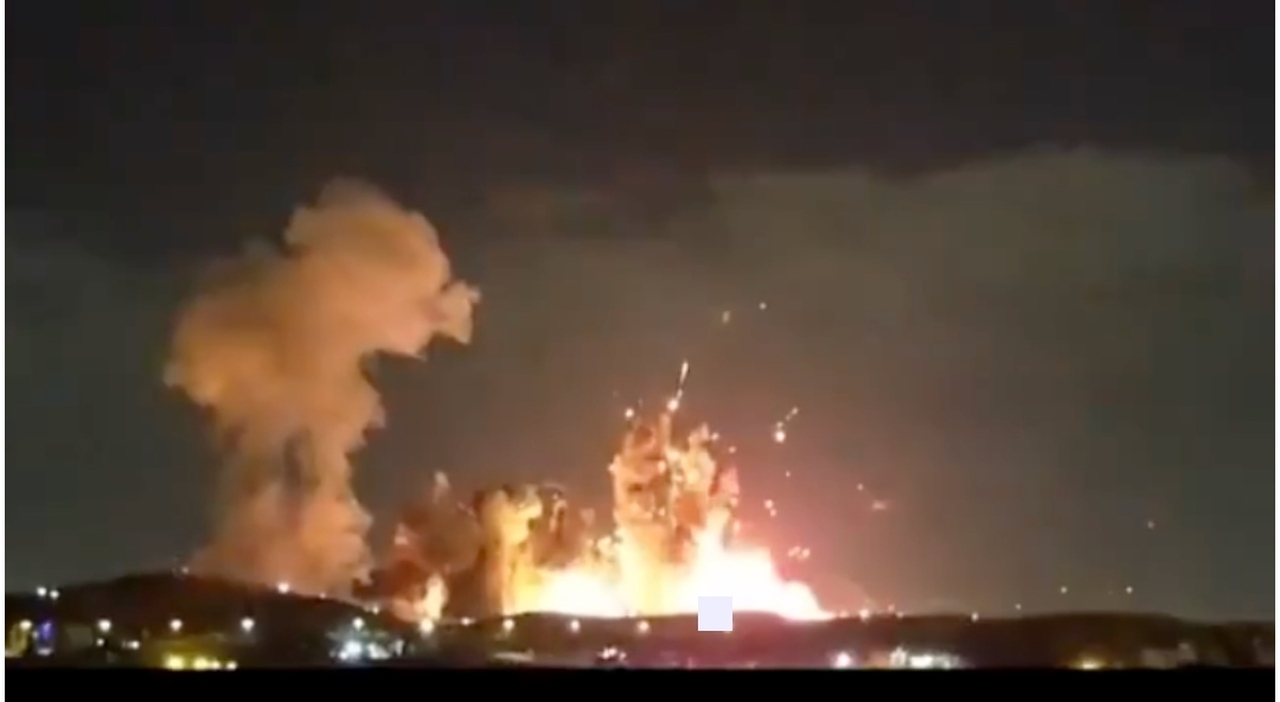
While the US Air Force pummels munition depots in Isfahan, the Iranian Parliament has moved to monetize the conflict. The approval of a toll system for vessels transiting the Strait, coupled with a ban on ships from sanctioning nations, transforms a military chokepoint into a sovereign revenue stream. Tehran is effectively nationalizing the world’s most critical maritime artery.
This move creates a complex legal quagmire for international shipping. Is the toll a legitimate fee for passage or an act of economic coercion? Under the United Nations Convention on the Law of the Sea (UNCLOS), transit passage is supposed to be unimpeded. However, in the fog of war, international law often bends to the will of the gunboat.
“The closure of Hormuz is not a binary switch; it is a dimmer. Even a 20% reduction in throughput sends shockwaves through the petrochemical and shipping insurance markets that last for years.”
The economic ripple effects are immediate. Shipping insurance rates for the Persian Gulf have likely spiked to prohibitive levels, forcing carriers to demand war risk premiums that make certain trades economically unviable. This is where the private sector must step in where governments have failed. Corporate legal teams are now essential in navigating these gray zones, necessitating the engagement of specialized international trade lawyers who understand the intersection of maritime law, sanctions regimes, and active conflict zones.
The Military Calculus: Why Ground War is Off the Table
Despite the bellicose rhetoric, the military reality on the ground suggests a contained air campaign rather than a full-scale invasion. General Vincenzo Camporini’s assessment that a US landing on Kharg Island would result in unacceptable casualties aligns with the Pentagon’s historical aversion to ground wars in the Middle East post-Afghanistan. The Iranian military is not a guerrilla force; it is a regular army with hardened defenses and significant asymmetric capabilities.
Reports indicate the US has struck over 11,000 targets, degrading offensive capacity without committing boots to the ground. This strategy minimizes US casualties but leaves the Strait vulnerable to asymmetric retaliation, such as the drone attacks seen today in Riyadh and Dubai. The hit on a Kuwaiti tanker in Dubai port, while causing no spill, proves that Iran’s reach extends far beyond its borders.
For investors and corporate strategists, this implies a “long war” scenario. The conflict will not end with a treaty signing but will likely devolve into a prolonged period of harassment and interdiction. This environment favors firms that can provide real-time intelligence. The demand for corporate security intelligence firms capable of tracking drone trajectories and missile threats in real-time is surging among energy and shipping conglomerates.
Macro-Market Impact: The Cost of Instability
The market is pricing in a permanent risk premium. With Trump indicating a willingness to end operations even if Hormuz remains closed, the US is effectively accepting higher energy costs as the price of disengagement. This shifts the burden of energy security entirely onto the private sector and consuming nations.
| Indicator | Pre-Crisis Baseline (2025) | Current Status (March 2026) | Projected Impact |
|---|---|---|---|
| Strait Throughput | 21 Million Barrels/Day | Restricted / Toll Imposed | Supply Shock / Price Spike |
| US Ground Troops | Minimal Presence | No Invasion Planned | Prolonged Air Campaign |
| Allied Support | NATO Cohesion | Fractured (France/UK) | Logistical Bottlenecks |
The data suggests a decoupling of Western security interests. As the US focuses on domestic energy abundance (“we have plenty,” Trump noted), Europe and Asia are left to manage the fallout of a closed Strait. This divergence creates arbitrage opportunities but also massive exposure for firms with undiversified supply chains.
Historical precedents, such as the Tanker War of the 1980s, show that shipping can continue under fire, but at a vastly increased cost. The difference today is the sophistication of Iranian drone swarms and the lack of a unified Western naval response. The burden of protection is shifting from navies to private security contractors and insurance underwriters.
The Strategic Pivot
We are witnessing the end of the post-WWII security order in the Middle East. The US is no longer the guarantor of free passage; it is a participant protecting its own interests. For the global directory of business, this is a clarion call. The volatility created by the Hormuz crisis is not a temporary blip; it is the new baseline for international trade.
Executives must stop viewing geopolitics as a background noise and start treating it as a primary operational risk. The companies that survive this reordering will be those that have already integrated geopolitical risk assessment into their core strategy. They are the ones hiring the geopolitical risk analysts today, not tomorrow.
The chessboard has been flipped. The pieces are no longer just armies and diplomats; they are tankers, insurance policies, and legal contracts. As the smoke clears over Isfahan and the toll booths rise in the Strait, the question for the global economy is not who will win the war, but who can afford to keep trading while it rages.