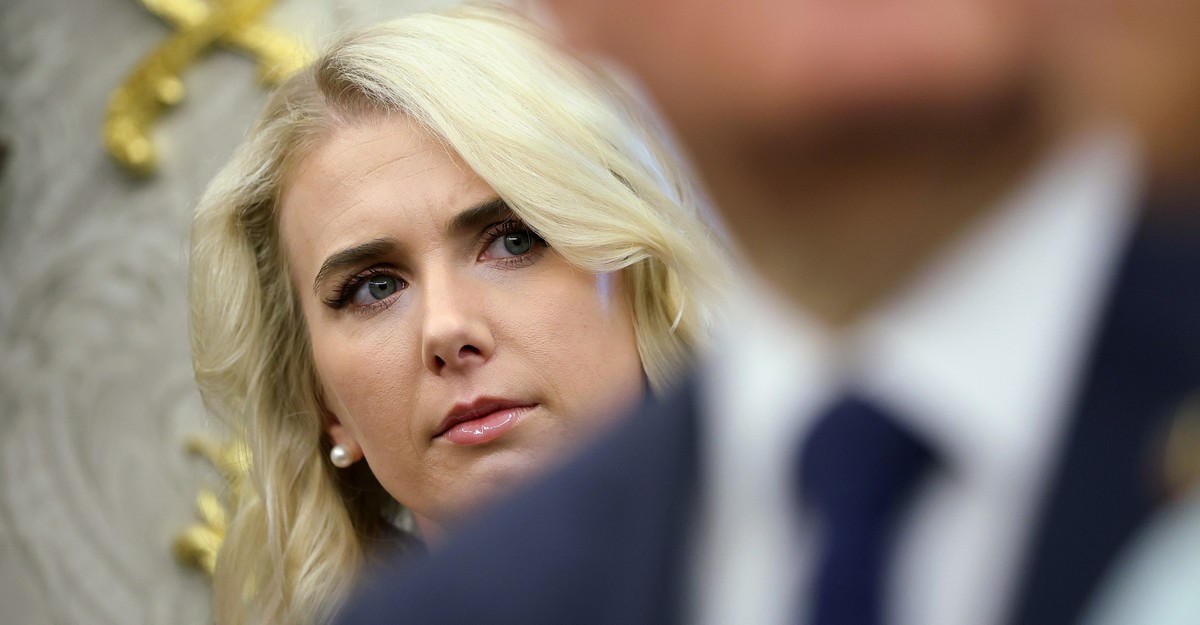
Trump, Natalie Harp, and the Throne of Illusions
On August 16, during a reelection rally in Atlanta, Georgia, Democratic Senator Jon Ossoff attacked President Trump over the Iran war before delivering a personal line that sent the MAGA movement into a week of public fury. Ossoff told the crowd that the president sleeps through meetings, golfs, trades stocks, and travels with Natalie on a flying palace gifted by the emir of Qatar, sparking an aggressive coordinated response from the White House and conservative commentators.
The White House Retaliation and the Outrage Machine
The reference to Natalie—shorthand for 35-year-old presidential special assistant Natalie Harp, known in political circles as “the human printer” for carrying a portable printer and battery pack to hand-deliver positive news—provoked immediate hostility from administration officials. White House aide Stephen Miller characterized the comments as among the most vile in American politics, while Communications Director Steven Cheung called Ossoff a miserable person and used personal insults. Additional pushback came from spokesperson Davis Ingle, who labeled the senator a cringeworthy theater kid, and the official Rapid Response X account, which warned CNN reporter Kristen Holmes that her children would be embarrassed by her question regarding the remarks. President Trump himself referred to Ossoff as a Pee-wee Herman look-alike, fueling a widespread reaction across podcast hosts, radio commentators, and digital platforms.
https://x.com/StevenCheung47/status/2089360945210335245
According to political analysts, the intense counter-offensive failed to suppress the narrative, instead amplifying Ossoff’s remarks and securing the senator a much larger national audience for free. Rather than quashing the story, the administration’s severe pushback reinforced public perceptions of an insular presidency.
Psychological Drivers and Cognitive Dissonance in the MAGA Ecosystem
The ferocity of the response highlights a deeper reliance on perpetual outrage within the political base. Since 2016, a constituency primed for grievance has sustained itself on a cycle of adrenaline, social belonging, and conflict, viewing opponents as personifications of evil. Against a backdrop of collapsing support and a fracturing movement, the attacks on Ossoff provided a mechanism for supporters to project unity and go on the offensive.
For established conservatives, commentators, and lawmakers who traded traditional principles like fiscal responsibility and the rule of law for allegiance to Trump, the episode triggered familiar patterns of cognitive dissonance. By framing Ossoff’s comments as a misogynistic attack on a defenseless woman, these commentators found an opportunity to signal moral outrage, portraying themselves as defenders of honor despite aligning with a leader facing extensive public scrutiny over personal conduct.
Information Isolation and the Role of Natalie Harp
The focal point of the controversy, Natalie Harp, occupies a unique and powerful position within the administration. Operating outside the usual chain of command, Harp serves as a primary conduit of unvetted, warped, and unreliable information, including controversial digital media passed directly to the president. Her around-the-clock presence and reverential letters—in which she describes the president as her guardian and protector—have previously alarmed Secret Service personnel, as detailed in reporting by Maggie Haberman and Jonathan Swan in their book Regime Change.
https://x.com/davis_ingle/status/2089363037077549357
This dynamic narrows the president’s worldview, fostering an environment reminiscent of Gabriel García Márquez’s novel The Autumn of the Patriarch, where an isolated leader surrounded by sycophants relies on rewritten news to maintain a throne of illusions.