Trump, FIFA, and the Corrosive Nature of Corruption
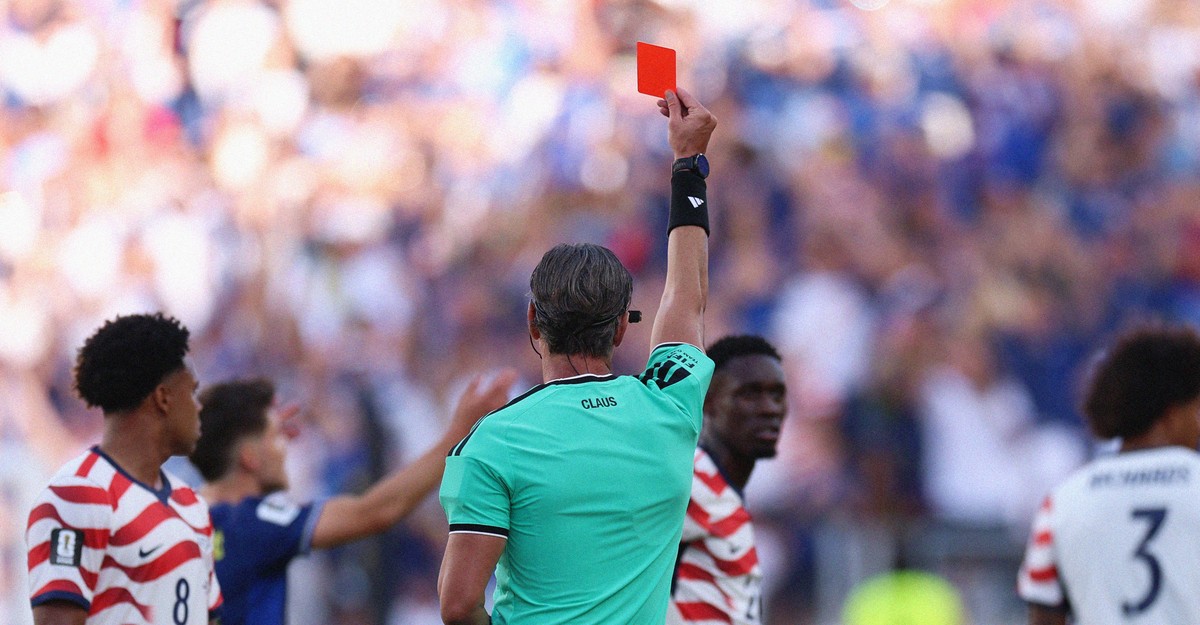
FIFA announced that U.S. striker Folarin Balogun would receive one year’s probation but not be forced to miss today’s World Cup Round of 16 match against Belgium in Seattle. The decision followed a call from President Trump to Gianni Infantino, the president of FIFA, to press him for a review, according to The Atlantic.
UEFA and various European federations claim the move violates standard tournament regulations, noting that another rule seems to make clear that a red card requires a game out. The Atlantic reports that FIFA has never suspended a red card for a World Cup game since the current rule came into effect, leading UEFA to warn that the "integrity of the game is at stake."
Because the decision appears to bypass established protocols, it has sparked a broader debate regarding the "corrosive effects of corruption" on institutional governance.
Why did the Balogun suspension reversal cause a diplomatic crisis?
While FIFA cited a specific rule to justify the reprieve, European federations argue that a separate rule makes clear that a red card requires a game out. The timing of the decision—coming after President Trump contacted Gianni Infantino—has led Belgian and European officials to view the ruling as tainted.

The stakes extend beyond the pitch. The Atlantic notes that if the U.S. advances, this decision will be remembered bitterly for years, potentially endangering visitors displaying the Stars and Stripes in Antwerp.
U.S. Coach Mauricio Pochettino attempted to distance the team from the political fallout. Pochettino insisted the reprieve unfolded through a “normal process,” stated that politicians should not lobby FIFA on specific issues, and said, “We cannot mix that.”
How does FIFA’s history influence the perception of this decision?
In 2015, the U.S. Department of Justice indicted several top soccer officials on charges including racketeering, wire fraud, and money-laundering. That investigation forced out president Sepp Blatter and led to guilty pleas from several people, including the high-ranking American FIFA official Chuck Blazer.

Gianni Infantino was brought in to clean things up, but critics argue the culture remains unchanged. Trump reportedly leaned into this history during his appeal, implying without evidence that the referee who issued Balogun’s red card was “crooked.”
The Atlantic reports that Infantino previously went to "embarrassing lengths" to flatter Trump, including the creation of a peace prize for him.
What are the parallels between FIFA and the U.S. Justice Department?
A recent example involves the Department of Justice and Indian billionaire Gautam Adani. A federal judge demanded an explanation for why bribery charges were dropped against Adani. Adani’s lawyer—who has also represented Trump—said that Adani could invest $10 billion in the United States if charges were dropped.
Trent McCotter, the principal associate deputy attorney general, stated in a letter to the judge that the offer played no role. McCotter claimed he had already concluded he would seek dismissal of the securities charges “no matter what.” However, The Atlantic argues that once an administration is perceived as using the Justice Department as a political arm, the public is unlikely to believe such dismissals are disinterested.
The financial and ethical cost of “Self-Enrichment”
Former New Jersey Governor Chris Christie recently characterized Trump's reported $1.4 billion gain in cryptocurrency last year as "Putin-esque type of corruption and self-enrichment." Trump has denied any wrongdoing, claiming he was unaware of the deals that made the money.

FIFA can survive scandals by distributing money to quiet critics because it is a sports entity. The federal government, however, requires a popular mandate to function. When the public assumes the worst about the motives behind legal or sporting decisions, the legitimacy of the entire institution erodes.
The Balogun reprieve may be a victory for the U.S.