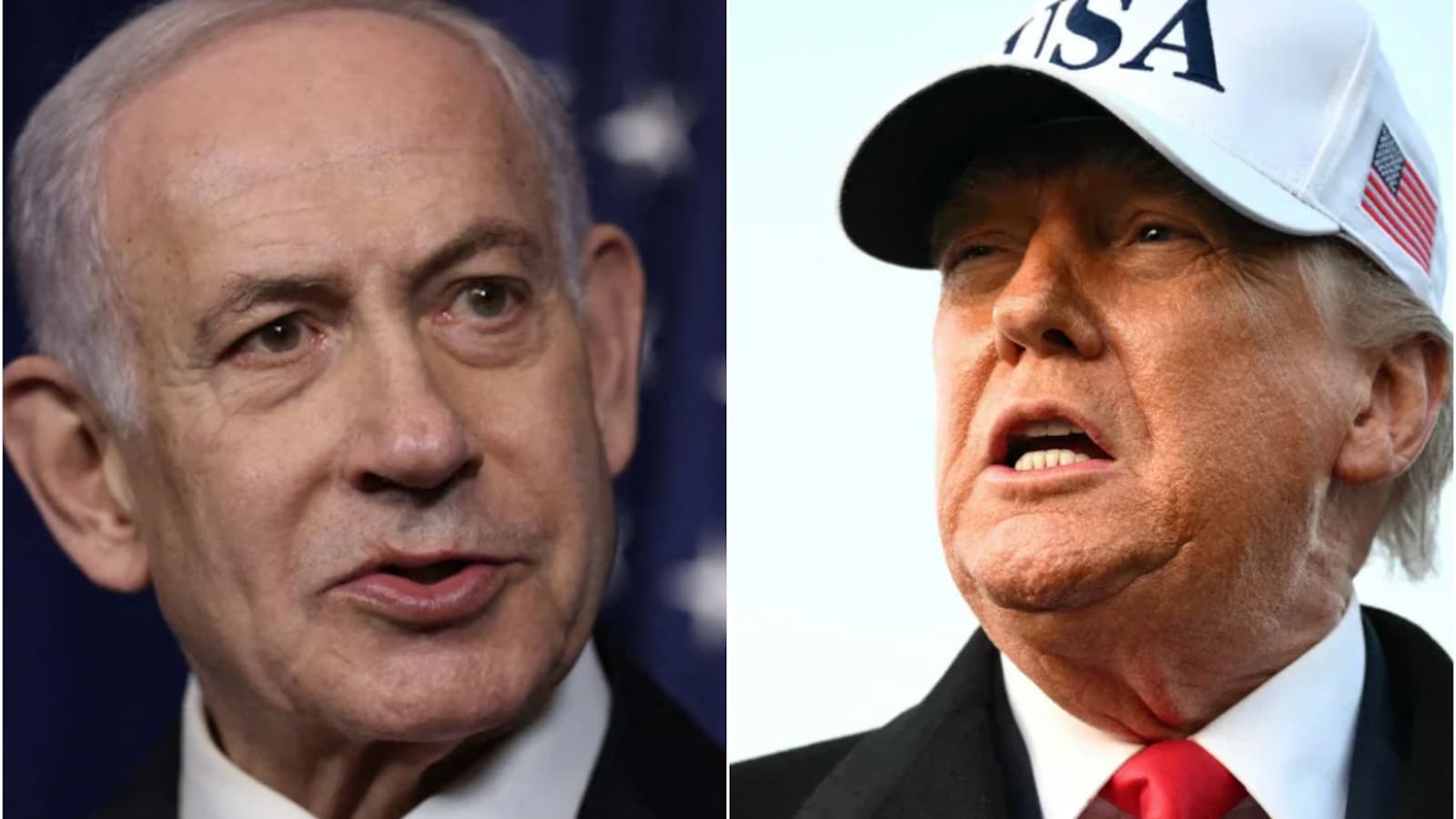
Trump Briefs Netanyahu on US Operations in Gulf Following Iran Strikes
On July 9, 2026, U.S. President Donald Trump held a direct briefing with Israeli Prime Minister Benjamin Netanyahu regarding ongoing U.S. military operations in the Persian Gulf. This communication follows reports from Tehran of fresh American strikes, signaling a significant escalation in regional volatility that threatens global shipping routes and energy security.
The Strategic Shift in Gulf Operations
The U.S. government has intensified its posture in the Gulf following what Iranian state media characterized as precision strikes on targeted infrastructure. While the White House has not released a comprehensive breakdown of the tactical objectives, the briefing with the Israeli Prime Minister’s office confirms that Washington is coordinating its regional strategy with its primary Middle Eastern ally.

This development arrives at a critical juncture for regional stability. The Gulf, which facilitates the transit of a substantial portion of the world’s crude oil, remains a central point of failure for global supply chains. When military activity spikes in these waters, the immediate ripple effect is felt in insurance premiums, freight costs, and energy commodities.
According to the U.S. Department of Defense, maintaining open maritime corridors is a primary national security objective. However, the current cycle of strikes and counter-strikes challenges the efficacy of standard diplomatic deterrence. Companies operating in the region are now forced to reassess their risk mitigation strategies as the threat environment shifts from abstract geopolitical tension to tangible operational disruption.
Assessing the Regional Impact and Economic Exposure
For multinational corporations and regional stakeholders, the immediate concern is the predictability of trade logistics. The uncertainty surrounding Gulf transit affects not only energy firms but also logistics providers and specialized engineering entities. As the situation remains fluid, businesses are increasingly turning to professional guidance to navigate the shifting regulatory and security landscape.

“The current escalation marks a departure from the previously established patterns of engagement in the Gulf, creating a vacuum where standard risk assessments are no longer sufficient,“ noted a regional policy analyst familiar with the ongoing diplomatic traffic between Washington and Jerusalem.
For businesses with physical assets or supply lines in the region, the following professional services are currently seeing a surge in demand:
- [International Security Consultancy]: Firms specializing in threat assessment and site hardening are reporting a pivot toward active monitoring of regional maritime developments.
- [Maritime Insurance Advocacy]: As premiums fluctuate, specialized brokers are essential for securing coverage that accounts for the heightened risk of state-sponsored disruption.
- [Global Trade Legal Counsel]: Navigating the intersection of local municipal compliance and international sanctions requires specialized legal expertise to prevent asset freezing or contract default.
Historical Precedents and Current Diplomatic Friction
The relationship between U.S. military maneuvers and Israeli intelligence coordination has historically served as a barometer for regional containment policies. By briefing Prime Minister Netanyahu, the Trump administration is reinforcing the U.S.-Israel security architecture, a move that Tehran typically frames as a provocation. This dynamic is consistent with the long-standing U.S. policy of “maximum pressure,” yet the current iteration occurs in a significantly more fragmented global landscape.
Unlike previous periods of conflict, today’s escalation is compounded by the rapid integration of digital intelligence and drone technology. The strikes reported by Iran suggest that the U.S. is utilizing advanced, low-signature assets to minimize collateral damage while asserting a clear message of capability. This precision, however, does little to calm the markets.
The U.S. Department of State continues to issue travel advisories and maritime alerts. For those looking to verify the specific status of international waters, the U.S. Maritime Administration (MARAD) provides ongoing updates on regional security threats. Furthermore, the U.S. Department of State’s Bureau of Near Eastern Affairs remains the primary source for tracking diplomatic shifts that may impact regional business operations.
Managing Exposure in a High-Volatility Environment
The transition from a state of relative calm to active kinetic engagement creates a “logistical minefield” for firms unprepared for rapid changes in the theater of operations. When infrastructure security becomes a matter of national defense, private entities must ensure their contingency plans are not merely theoretical.

For those currently managing assets in the Middle East, the priority remains the stability of supply chains. Engaging with [Corporate Risk Management Firms] is no longer an optional luxury but a core operational requirement. These firms assist in mapping out “worst-case” scenarios, ensuring that if a port becomes inaccessible or a shipping lane is closed, there is a pre-vetted alternative route available.
Furthermore, entities involved in the energy sector are closely monitoring the U.S. Energy Information Administration (EIA) for data on how these strikes might impact short-term production and transit volumes. The sensitivity of these markets means that even a minor report of military activity can trigger significant shifts in commodity pricing.
The reality for the coming months is one of sustained vigilance. As the U.S. continues to calibrate its response to Iranian activity, the ripple effects will persist well beyond the initial strikes. For the business community, the mandate is clear: the era of assuming regional stability has passed, and proactive, expert-driven preparation is the only hedge against the inevitable, yet unpredictable, costs of modern geopolitical conflict. Professionals seeking to insulate their operations from these shifting sands should look to the [World Today News Directory] to identify vetted experts capable of navigating the complex intersection of global policy and corporate continuity.